

 InfoSearched
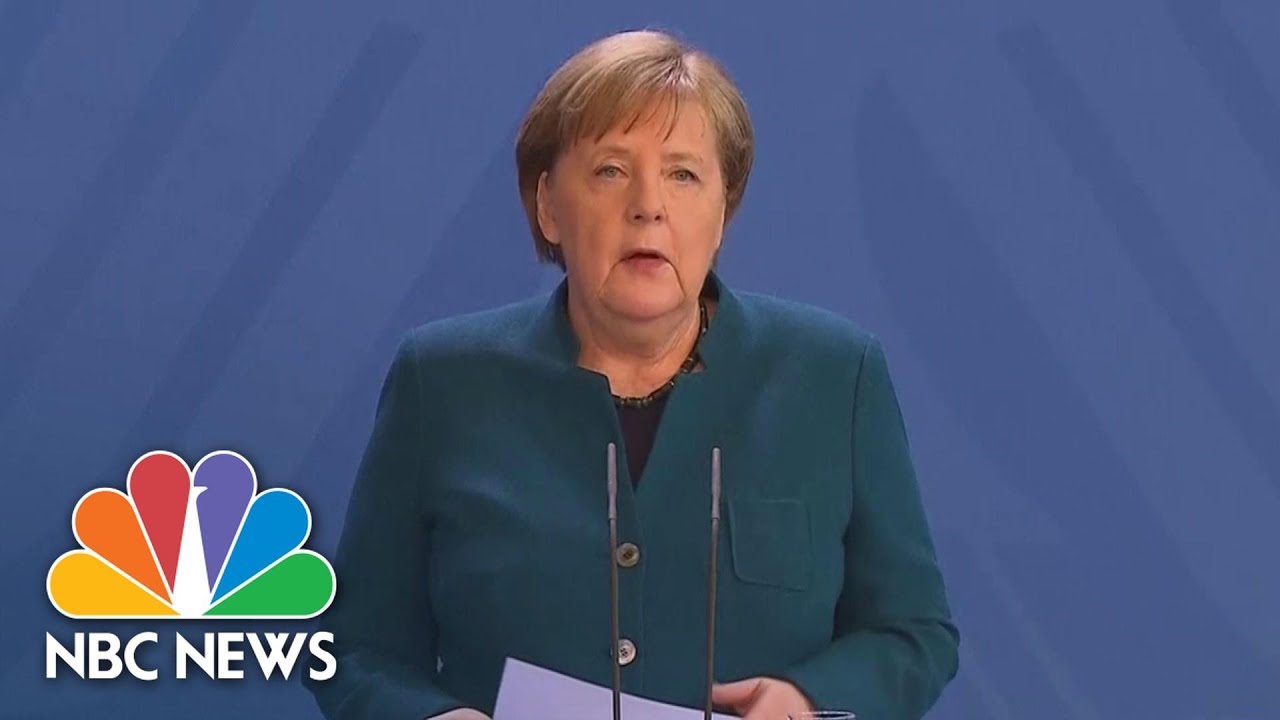
Italy’s hospitals buckled under the worst single-day death toll of the outbreak, even as Cuban doctors touched down to help, while 1,500 miles away Angela Merkel walked out of a press conference and straight into quarantine.
NBC Nightly News’s March 22 dispatch captured a European crisis moving on two tracks at once. In Lombardy, Italy’s outbreak epicenter, hospitals were operating past their limits as a catastrophic surge of patients overwhelmed staff and equipment. In Berlin, Chancellor Angela Merkel learned within hours of finishing a briefing that the doctor who had given her a routine pneumococcal shot days earlier had tested positive for COVID-19, sending her into immediate self-isolation.
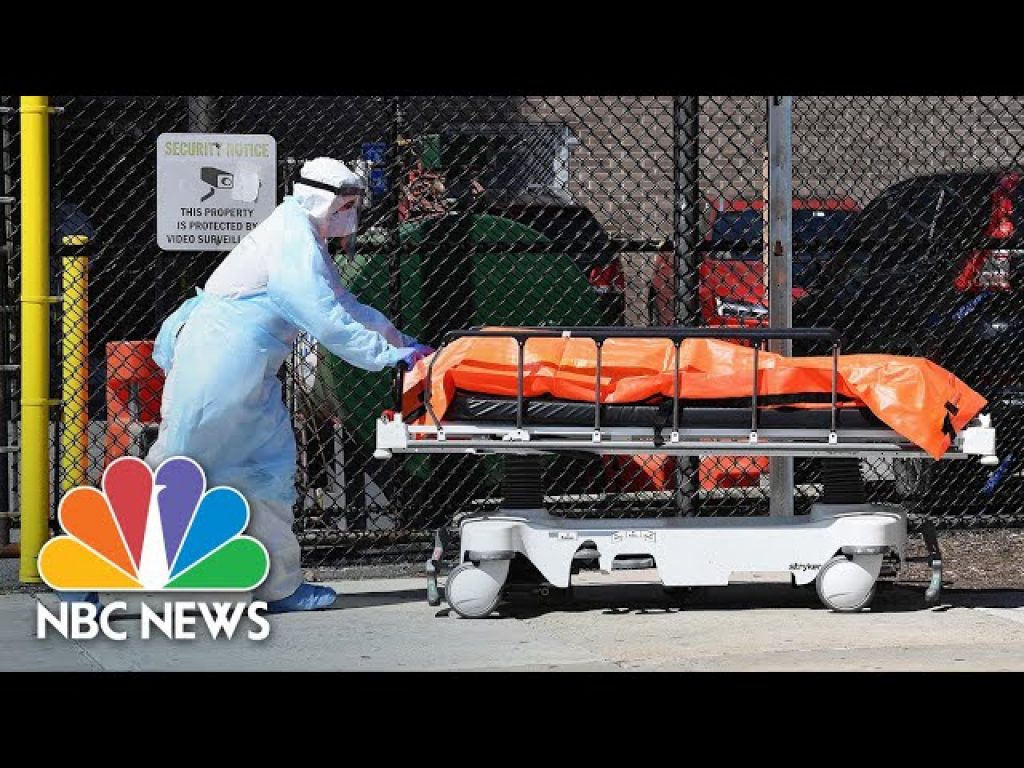
- Italy’s government tightened its nationwide lockdown after recording its deadliest single day of the pandemic to date, with hospitals across Lombardy and other northern regions pushed beyond capacity.
- A delegation of Cuban doctors and nurses arrived in Italy to reinforce healthcare workers facing critical staff shortages and mounting fatalities.
- Angela Merkel entered quarantine on the evening of March 22 after being told a doctor who had vaccinated her the previous Friday had tested positive for coronavirus; her office said she would be tested regularly while running the country from home, just as Germany imposed an emergency ban on public gatherings of more than two people.
Lombardy’s Hospitals Reach a Breaking Point
The numbers out of northern Italy told the story before anyone said a word on camera. Hospitals in Lombardy, the country’s financial and industrial heartland, were treating patients in hallways and improvised wards, rationing ventilators and personal protective equipment as case counts kept climbing faster than beds could be found. Doctors and nurses were working consecutive shifts with no real end point, and Italy’s government responded to the deadliest 24 hours of the outbreak so far by tightening restrictions that were already among the strictest in the world.
The strain wasn’t just logistical — it was becoming a triage crisis, with physicians forced to make decisions about who received ventilator support and who didn’t. That reality is part of why the story resonated well beyond Italy’s borders, feeding into the broader alarm reflected in coverage like COVID-19 cases surging across Europe more broadly.
Cuba’s Doctors Land in a Country Running Out of Hands
Facing a shortage of trained staff that no amount of equipment could fix on its own, Italy accepted help from abroad. A team of doctors and nurses dispatched from Cuba arrived to work alongside Italian healthcare workers, a rare instance of direct medical aid flowing into a G7 nation mid-crisis. The gesture underscored just how thin Italy’s hospital workforce had been stretched by a virus that showed no sign of slowing.
Hospitals across Lombardy were rationing ventilators and treating patients in hallways as Italy logged its deadliest single day of the outbreak.
Merkel’s Quarantine Arrives Mid-Briefing
In Germany, the crisis took a more personal turn. Chancellor Angela Merkel had just wrapped a press conference on the evening of March 22 when she was informed that a doctor who administered her a precautionary pneumococcal vaccine the previous Friday had tested positive for COVID-19. Her office confirmed she would go into immediate self-quarantine, undergo regular testing, and continue running the government remotely — a stark image of how even a head of state managing the national response wasn’t insulated from the virus’s reach.
The timing mattered. Merkel’s isolation landed the same day Germany rolled out an emergency ban on public gatherings of more than two people, among the most aggressive social-distancing measures announced in Europe to that point. Officials in Berlin were essentially asking citizens to do exactly what their own chancellor had just been forced into doing.
Two Countries, One Trajectory
Taken together, Italy’s hospital collapse and Merkel’s quarantine were two symptoms of the same continental problem: a virus outrunning the systems built to contain it. Italy was managing the consequences of exponential spread that had already outpaced its healthcare capacity; Germany was trying to get ahead of that same curve before it arrived. The exposure risk that sidelined Merkel — a routine medical visit turning into a quarantine order — was the kind of everyday transmission chain public health officials elsewhere, including the White House, were racing to cut off, as seen when staff were directed to wear masks after officials contracted the virus in Washington around the same period.
What happens next in Berlin comes down to a testing schedule: Merkel’s office said she’d be tested repeatedly over the following days, and a negative result wouldn’t just clear the chancellor personally — it would determine whether Germany’s government kept functioning with its leader working from a laptop at home instead of the Chancellery.






House Dems announce articles of impeachment
Coronavirus precautions lead to rat problem in New Orleans
Joe Biden pulls ahead as Super Tuesday 2020 projected winner
California Town Pushes Back Against Planned Coronavirus Quarantine Center
Jonathan Turley: ‘This is wrong,’ being mad is no basis for impeachment