

 InfoSearched
Trump orders America’s slaughterhouses to keep running as the protein supply chain buckles.
President Trump announced on April 28 that he would invoke the Defense Production Act to classify meat processing plants as critical infrastructure, forcing them to stay open even as COVID-19 outbreaks tear through their workforces. The order hands the U.S. Department of Agriculture and Agriculture Secretary Sonny Perdue direct authority over beef, pork, and poultry processors. It comes after weeks of plant shutdowns that have cratered slaughter capacity and left grocery shelves thin just as farmers face a growing glut of animals with nowhere to go.
- At least 18 to two dozen meatpacking plants nationwide — including facilities run by Smithfield Foods, Tyson Foods, and JBS — shut down temporarily or indefinitely in the two months before the order due to employee COVID-19 outbreaks.
- Pork processing capacity fell by as much as 20% and beef processing capacity dropped roughly 10%, with weekly cattle slaughter down 32% and hog slaughter down 30% from March highs, according to the American Farm Bureau Federation.
- The beef cutout value — the wholesale price packers get for a carcass broken into cuts — jumped 40% since mid-March even as live-animal prices collapsed, squeezing producers from both ends.
The Order Itself
Trump’s move uses the same Cold War-era statute that’s been invoked repeatedly during the pandemic to compel private industry to keep producing goods the government deems essential — in this case, protein. Under the DPA, as detailed in Wikipedia’s overview of the law’s history, the federal government can direct companies to prioritize contracts and keep operations running rather than shutting down over local health orders. Perdue and the USDA now have the authority to require processors to maintain operations, and the administration pledged to supply protective gear to plants trying to keep workers safe on the line while still following CDC guidance.
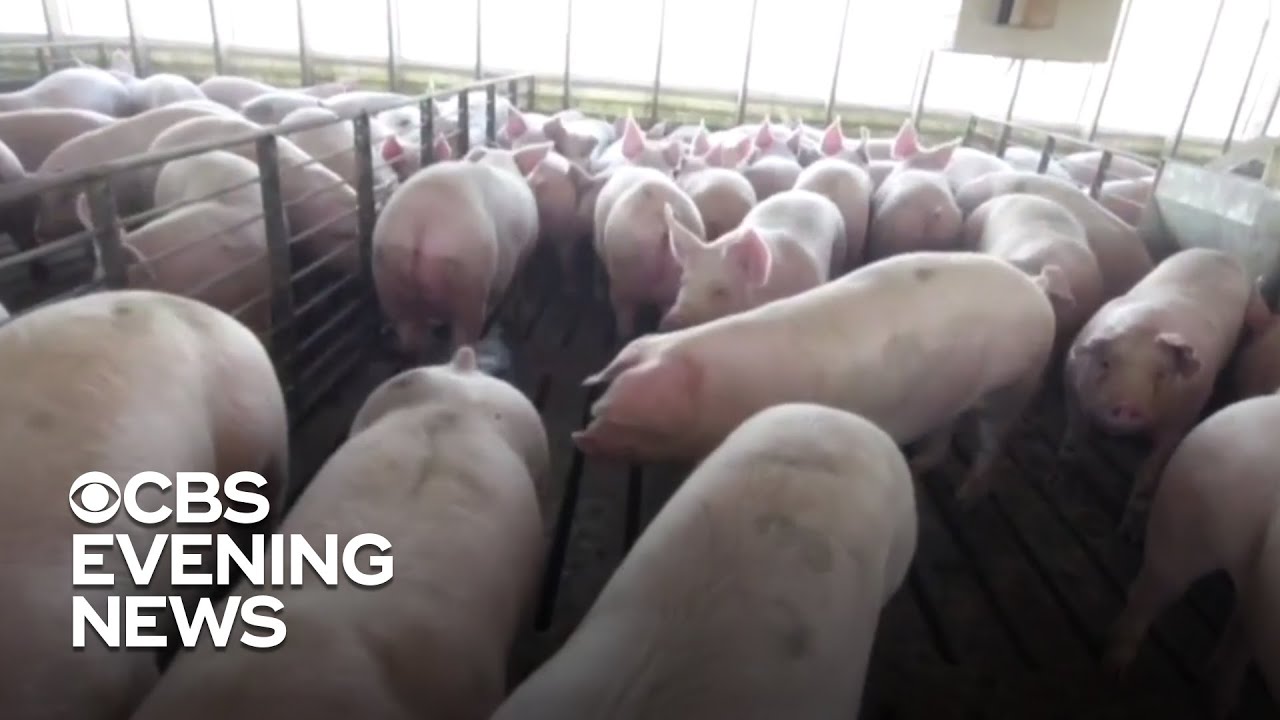
The timing tracks directly with reporting from CBS News on the announcement, which framed the order as a direct response to mounting fears that meat could simply disappear from stores in the coming weeks if plant closures continued at the pace seen through March and April.
Factors Causing Consistent Plant Closures
Meatpacking work is close-contact by design — workers stand shoulder to shoulder on the line, cutting and processing carcasses moving down a conveyor at speed. That environment turned into a superspreader setting once the virus got inside a plant. Smithfield’s Sioux Falls, South Dakota facility, Tyson’s pork plant in Waterloo, Iowa, and JBS’s beef operation in Greeley, Colorado were among the major sites forced offline as infections spread among line workers.
The math behind the shutdowns is stark. According to the American Farm Bureau Federation’s market analysis, national hog slaughter and cattle slaughter both fell by roughly 30% from where they stood in March, a drop steep enough to back up animals on farms with nowhere to send them and simultaneously choke off the flow of finished product to grocery distributors.
Beef processing capacity down roughly 10%, pork down as much as 20% — and the beef cutout value up 40% since mid-March.
Squeezed From Both Ends
The disruption created a strange inversion that’s rattled both sides of the supply chain. Retail shoppers walked into stores to find meat cases stripped bare and price tags climbing, while cattle and hog producers watched live-animal prices sink so low that some began weighing whether they’d have to depopulate herds they could no longer afford to feed or move to slaughter. That divergence — retail prices spiking while farm-gate prices collapse — is exactly the bottleneck effect a shuttered slaughterhouse creates: the animals are there, the demand is there, but the processing capacity in the middle has vanished.
Labor advocates and plant employees pushed back on the order almost immediately, arguing that mandating plants stay open without first fixing the shoulder-to-shoulder conditions on the line amounts to ordering workers back into the exact setting that got them sick in the first place. The administration’s promise of protective equipment and CDC-guided protocols was meant to answer that concern, but it did little to quiet workers who said the risk hadn’t actually changed, only the requirement that they show up anyway.
The Broader Supply Chain Strain
The meat shortage fears arrived alongside a string of other pandemic-driven disruptions playing out across the country’s food and retail systems this spring, part of a pattern of grocery prices climbing nationwide as supply chains buckled under COVID-19’s spread through essential workforces. The USDA’s intervention in meatpacking sits alongside broader questions about how the country reopens sectors deemed critical, a debate that continued to play out as officials weighed how quickly the U.S. was reopening compared to other nations.
For producers, the next few weeks hinge on whether plants can actually ramp slaughter numbers back toward March levels without triggering fresh outbreaks that shut them down again. If cattle slaughter stays anywhere near that 32% deficit much longer, the backlog on feedlots and hog farms doesn’t just linger — it compounds, and that’s the number to watch as Perdue’s USDA tries to get processors running at something close to full capacity again.





Markets skyrocket after Biden’s Super Tuesday performance
President Trump Says He’s Halting Payments to WHO
More schools are shutting down due to coronavirus
Why are Federal Reserve members split on raising rates? I FT
Canada is Quietly Building The Trading Empire Of The World