

 InfoSearched
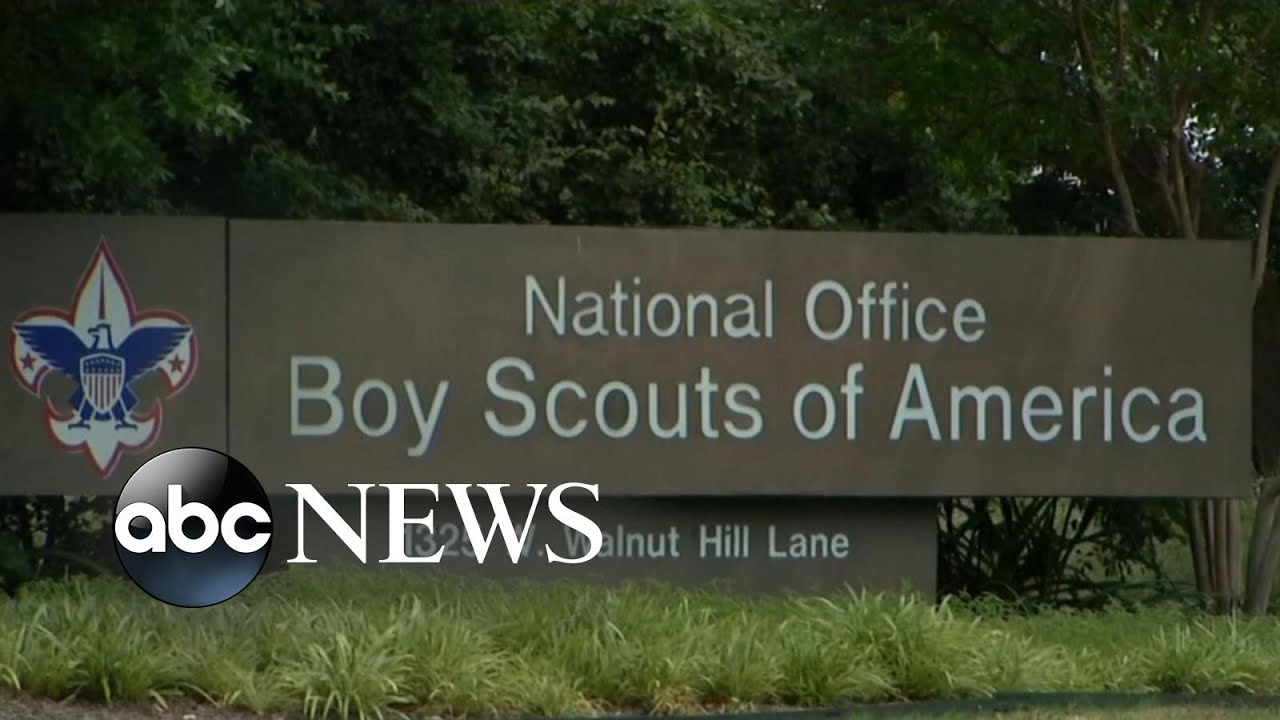
The Boy Scouts of America heads to bankruptcy court to face a reckoning nearly a century in the making.
On February 18, 2020, the Boy Scouts of America filed for Chapter 11 bankruptcy protection in the U.S. Bankruptcy Court for the District of Delaware, a move the Irving, Texas-based organization says is meant to consolidate hundreds of abuse lawsuits and set up a single fund to pay survivors. The filing comes after years of mounting legal pressure tied to decades-old allegations that scoutmasters, camp leaders and adult volunteers sexually abused children while the organization’s leadership looked the other way. BSA officials say the goal is a fair, centralized process for victims — but attorneys representing survivors are already calling the filing a defensive maneuver dressed up as reform.
- The Chapter 11 petition immediately stayed roughly 300 active lawsuits against the national organization and is meant to pave the way for a consolidated victims’ compensation trust that could pay out more than $1 billion.
- State-level “lookback window” laws that suspended or eliminated statutes of limitations opened the door for adult survivors to sue over abuse from decades ago, a wave of litigation the BSA cites as a direct trigger for the filing.
- The BSA’s roughly 260 regional councils — which hold most of the organization’s camps, real estate and other property — are separate legal entities and were not included in the bankruptcy petition.
National Organization Files Lawsuit Now
The BSA has been absorbing multimillion-dollar jury verdicts and escalating legal bills for years, on top of a membership rolls decline that has made the organization increasingly fragile financially. Chapter 11 gives BSA’s national office an automatic stay that freezes existing litigation and forces claims into a single bankruptcy proceeding rather than dozens of separate courtrooms across the country. Leadership has said local troop activities and Scouting programming will continue without interruption while the case works through the Delaware court.
The ‘Perversion Files’ Paper Trail
Internal BSA records dating back to 1910 — long known among survivors and attorneys as the “perversion files” or “ineligible volunteer files” — documented thousands of suspected predators who were quietly barred from Scouting rather than reported to police. Those files became a central piece of evidence in the litigation that pushed the organization toward bankruptcy, and they’re a major reason survivor advocates argue this was an institutional cover-up rather than isolated misconduct.
Roughly 300 active lawsuits were frozen the instant the petition landed in Delaware’s bankruptcy court — with far more claims expected once the lookback windows finish opening around the country.
Local Council Operational Future Status
One of the most contested pieces of the case is what happens to BSA’s approximately 260 local councils, which control the vast majority of camps, land and other real estate the organization owns nationwide. Because those councils are structured as separate legal entities, they weren’t swept into the Chapter 11 filing — meaning survivors’ attorneys will likely fight in court to pull council assets into any eventual settlement pool rather than let them sit protected outside the bankruptcy.
Skepticism From Survivors and Their Lawyers
Advocates for abuse survivors have been blunt that bankruptcy protection can function as a shield as much as a solution — capping what the organization ultimately has to pay, insulating local council property from claims, and limiting how much internal documentation about the cover-up ever becomes public. That tension between the BSA’s stated commitment to “equitably” compensate victims and its legal incentive to minimize payouts is expected to define the fight ahead in Delaware.
The next real battle in this case isn’t whether the trust gets built — it’s how big it ends up and who’s forced to pay into it. With roughly 260 councils sitting outside the bankruptcy holding most of the physical assets, survivors’ attorneys are gearing up to argue those properties should be on the table too, and that fight over the estate’s true size is where this filing gets decided.






New York City Mayor Bill De Blasio Gives A Coronavirus Update (Live Stream Recording)
Seattle Just PURGED The CHAZ After Chazistani Police Kill Underage Black Male, Truly Stupid Times
Canada is Quietly Building The Trading Empire Of The World
U.S. pays Pfizer, BioNTech $2 bln for vaccines
Pelosi Unveils $2.5 Trillion Virus Stimulus Plan