

 InfoSearched
Washington just struck a deal that could send Honduran and Salvadoran asylum seekers to Guatemala instead of the U.S. border.
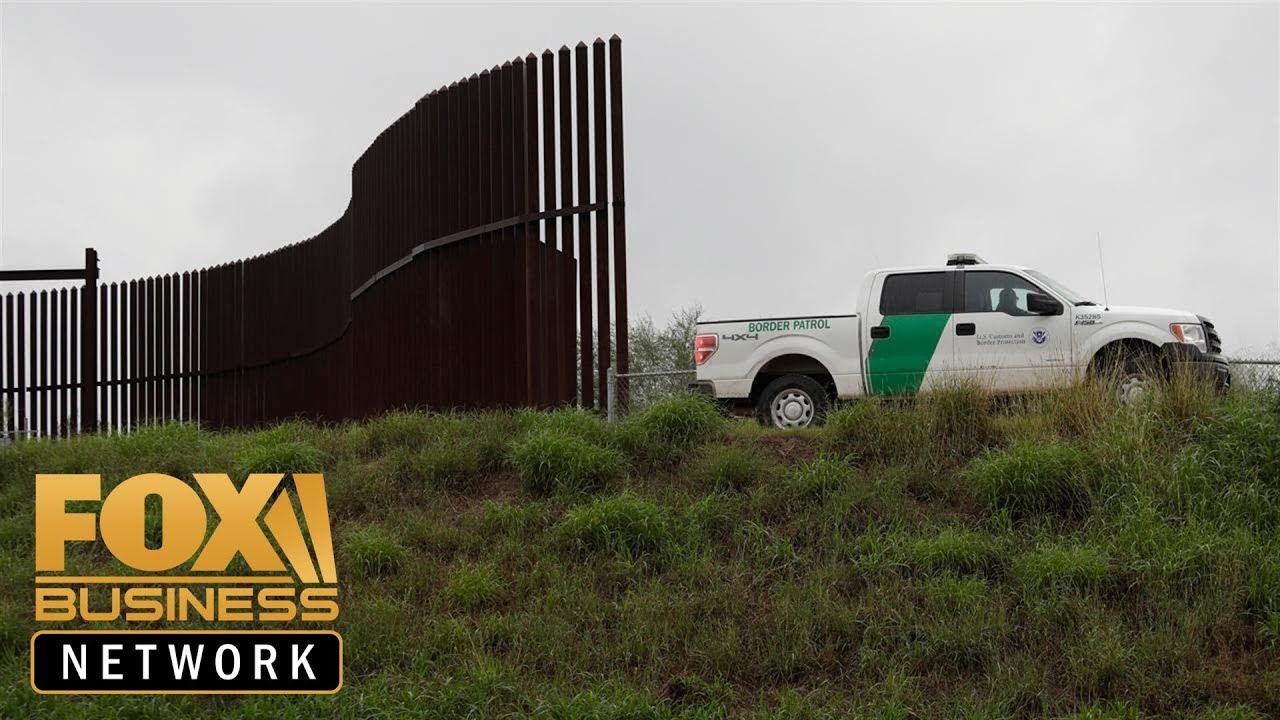
The Trump administration signed a landmark asylum agreement with Guatemala on July 26, 2019, betting that shifting the burden of asylum claims onto Guatemala’s government could choke off a surge of Central American migrants at the southern border. Acting DHS Secretary Kevin McAleenan and Guatemalan Interior Minister Enrique Degenhart put pen to paper in Washington, formalizing an arrangement the administration had spent weeks pressuring Guatemala City to accept. Acting CBP Commissioner Mark Morgan went on Fox Business afterward to sell the pact as the missing piece federal border agents had been asking for.
- The Asylum Cooperative Agreement requires migrants who pass through Guatemala — mainly Hondurans and Salvadorans — to apply for asylum there instead of at the U.S. border.
- Trump administration officials projected the deal could cut Central American asylum claims at the southern border by up to 90 percent.
- The agreement came only after President Trump threatened Guatemala with tariffs, travel restrictions, and fees on remittances if no deal was reached.
Morgan’s Pitch to Fox Business
Mark Morgan didn’t mince words when he sat down with Fox Business to explain why CBP wanted this deal so badly. He framed the agreement as a direct hit on smuggling networks that he says have learned to exploit America’s asylum laws, funneling migrants north with promises that a claim at the border guarantees release into the country. Morgan argued the policy separates genuine refugees from economic migrants gaming the system, and pointed to the crush of apprehensions that had overwhelmed CBP holding facilities throughout the spring and early summer of 2019 as proof the status quo was unsustainable.
The 90 percent reduction figure Morgan and other officials cited became the headline number attached to the deal — a projection meant to show Congress and the public that a safe third country arrangement could do what fencing and detention capacity alone hadn’t. For a border apparatus that had been stretched thin, that number was the entire sales pitch.
Pressure Tactics Behind the Signature
Getting Guatemala to the table wasn’t diplomacy in the traditional sense. President Trump had publicly threatened President Jimmy Morales’ government with tariffs, travel restrictions, and fees on remittances sent home by Guatemalan workers in the U.S. if Guatemala City didn’t sign on. Those threats landed hard in a country where remittances make up a massive share of GDP, and the agreement followed within days of Trump’s warnings going public.
Officials projected the arrangement could slash Central American asylum claims at the U.S. border by as much as 90 percent.
Legal and Humanitarian Pushback
The backlash was immediate on both sides of the border. Refugees International and other human rights groups argued Guatemala simply isn’t equipped to be a landing pad for thousands of asylum seekers, pointing to widespread poverty, high rates of violent crime, and an asylum system with almost no funding or infrastructure to process claims at scale. Rep. Norma Torres of California, whose district includes a large Guatemalan-American population, said the country lacks the basic healthcare and housing capacity to absorb deportees redirected under the deal.
Guatemala’s own courts posed a separate problem. The country’s Constitutional Court had already blocked an earlier version of a safe third country pact on the grounds that it required formal ratification by Guatemala’s Congress — a step the newly signed agreement had not yet cleared when it was announced. That left the deal’s legal footing shaky even as U.S. officials touted it as settled policy. For a fuller look at how the administration has handled the financial and logistical side of removals, see Flights for illegal immigrants cost taxpayers $340 million.
Future Policy Shifts at Border
The agreement landed in the middle of a broader immigration fight that has dominated Washington for most of 2019, and it’s one piece of a larger enforcement push detailed in U.S. news coverage of the administration’s border strategy. Whether Guatemala’s Congress ratifies the pact, and whether U.S. courts let it take effect, will determine if Morgan’s 90 percent projection ever gets tested against real numbers at the ports of entry.
For now, the deal exists on paper more than in practice — Guatemala’s legislature hasn’t ratified it, and legal challenges are already stacking up in U.S. courts. The next real test comes when CBP tries to actually redirect a Honduran or Salvadoran family at the border and send them back through Guatemala instead of processing them stateside. That’s the moment this agreement either holds up or falls apart.
OH NO JOE! Did Biden Just Have a Stroke Mid-Speech?
House Dems announce articles of impeachment
Michigan Residents Flood State Capitol to Protest Whitmer’s Stay-At-Home Order
Trump signs executive order on skills-based hiring
Seattle Just PURGED The CHAZ After Chazistani Police Kill Underage Black Male, Truly Stupid Times