

 InfoSearched
A federal judge just told Ghislaine Maxwell’s lawyers no — the Epstein files are coming out.
Judge Loretta Preska of the Southern District of New York spent late July weighing whether to keep a mountain of sealed material from Virginia Giuffre’s 2015 defamation suit against Ghislaine Maxwell locked away. On July 23, 2020, she ruled largely against Maxwell, ordering the release of key depositions and dozens of exhibits. On Rising, hosts Krystal Ball and Saagar Enjeti broke down what that actually means — and why it could put names to a client list that’s stayed hidden for years.
- Judge Preska ruled on July 23, 2020, against Maxwell’s emergency bid to keep the Giuffre v. Maxwell files under blanket seal, ordering depositions and exhibits released unless Maxwell’s defense filed an immediate appeal.
- The trove includes Maxwell’s own seven-hour deposition from 2016, along with flight logs, internal communications, and sworn statements detailing how Jeffrey Epstein and Maxwell allegedly ran their network.
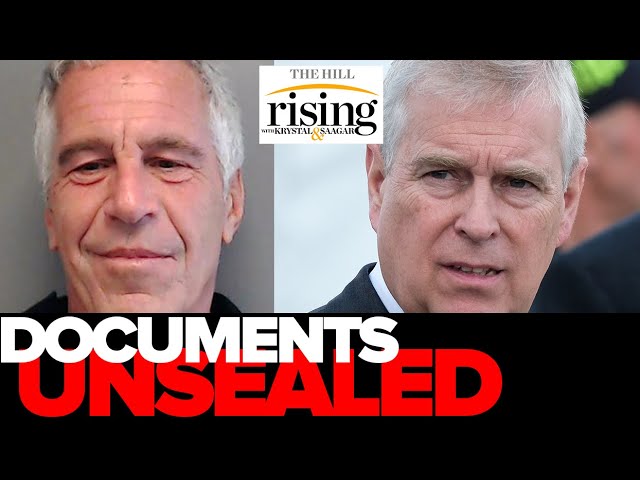
- Ball and Enjeti argued the ruling was a real test of accountability given Epstein’s ties to figures like Prince Andrew, Bill Clinton, and Alan Dershowitz — all named historically in connection with his circle.
The Ruling From Judge Preska
The fight over these records didn’t start this month. The Miami Herald had been pushing for years to unseal the discovery from Giuffre’s settled defamation case, arguing under common-law and First Amendment access rights that the public had a right to see what Epstein’s network actually looked like on paper. Maxwell’s arrest on federal sex trafficking charges earlier in July gave the push new urgency, and Preska’s order made clear she wasn’t inclined to keep stalling.
Preska found that the presumption of public access outweighed Maxwell’s privacy and fair-trial arguments, though she left room for redaction reviews protecting the names of victims, peripheral figures, and unnamed “John and Jane Does.” Maxwell’s lawyers were given a narrow window: appeal immediately, or the material goes public.
Preska’s order gave Maxwell’s team one out: appeal immediately, or the seven-hour deposition and the exhibits go public.
Analysis of File Contents
The centerpiece is Maxwell’s own 2016 deposition — seven hours of sworn testimony given during the original defamation fight with Giuffre. Beyond that, the unsealed material is expected to include flight logs tracking who flew where with Epstein, internal communications, and other sworn statements that discovery lawyers spent years compiling. Attorneys following the case have said the files go well beyond Maxwell herself, touching on how the alleged network actually operated on a day-to-day basis.
None of this happens in a vacuum. Epstein died in federal custody in August 2019 before ever facing trial on sex trafficking charges, which left the public record thin and the list of who knew what largely unresolved. That’s the backdrop Ball and Enjeti kept returning to on Rising — a case where the central defendant is dead, and unsealed depositions may be the closest thing to a public accounting anyone gets.
Krystal and Saagar’s Read on Rising
Ball and Enjeti framed the ruling less as a legal footnote and more as a referendum on whether the justice system treats well-connected figures differently. Their segment leaned into the idea that dozens of powerful men could be named once redactions are sorted out, tying the moment back to Epstein’s long-documented associations with Prince Andrew, Bill Clinton, and Alan Dershowitz. It’s the kind of story that’s already produced its own headlines — allegations about Clinton’s visits to Epstein’s island among them — and the hosts argued the unsealing was overdue given how long those names have circulated without documentation.
Their core argument wasn’t about any single name, though. It was about whether Preska’s ruling actually holds — whether the appeal window closes without a further seal, and whether the redaction process protects victims without shielding the powerful men the depositions were built to describe.
The Names Already in Play
None of the men Ball and Enjeti mentioned have been charged with anything tied to this specific unsealing, and Preska’s order doesn’t itself name names — it names documents. But the speculation is grounded in years of prior reporting connecting Epstein’s circle to Andrew, Clinton, and Dershowitz, which is exactly why media outlets fought this hard for access in the first place. Maxwell, for her part, remains in federal custody, and separate reporting has suggested she’s weighing how much she’s willing to say about who else was involved.
The redaction review is the piece to watch now — Preska still has to sort out which victims and non-parties get their names stripped before anything actually hits the public docket. Until that process runs its course, the seven-hour deposition and the flight logs sit in a legal holding pattern, one appeal away from either coming out in full or getting kicked further down the road.
Italy plans large-scale quarantine in response to coronavirus outbreak
Belarus PM replaces Lukashenko at ceremony, sparks speculation
Democrats Block Senate Stimulus Bill After Negotiations Falter
New York senator speaks on the state’s high number of coronavirus cases
4 kids recovering from injuries after a car slammed into day care in Philadelphia