

 InfoSearched
Beijing just pulled the plug on solo Chinese tourism to Taiwan, and the timing says everything.
China’s Ministry of Culture and Tourism announced on July 31, 2019, that it would immediately suspend individual travel permits to Taiwan, effective August 1. The move kills a pilot program launched in 2011 that let solo travelers from 47 mainland cities — Beijing, Shanghai and Xiamen among them — visit the self-governed island on their own, no tour group required. Organized group tours and business travel are still allowed, but the independent-traveler pipeline that Taiwan’s tourism industry built itself around for eight years is gone overnight.
- China’s Ministry of Culture and Tourism suspended individual travel permits to Taiwan starting August 1, 2019, ending a program that let solo tourists from 47 mainland cities travel independently since 2011.
- Industry analysts estimate the ban could cost Taiwan up to 700,000 fewer mainland visitors and roughly NT$28 billion (US$900.5 million) in lost tourism revenue over the following six months.
- Taiwan’s Transport Minister Lin Chia-lung responded the same day by pledging an extra NT$3.6 billion (US$115.8 million) in fourth-quarter tourism promotion to offset the hit.
Beijing Terminates the Policy Program
The suspension lands roughly six months before Taiwan’s January 2020 presidential election, in which President Tsai Ing-wen of the independence-leaning Democratic Progressive Party is seeking a second term. Beijing has watched Tsai refuse to acknowledge the “1992 consensus” — the diplomatic fiction that both sides of the strait belong to “one China” — and has grown increasingly agitated by Taipei’s vocal support for the anti-extradition protests roiling Hong Kong. Recent U.S. arms approvals for Taiwan, paired with Chinese military drills in the strait covered in China Steps Up Taiwan Drills: Day Two, round out a season of escalating pressure that the travel suspension now joins.
President Tsai condemned the decision, framing it as an attempt to squeeze the island’s international standing and stability rather than a routine bureaucratic adjustment. Beijing has treated Taiwan as a breakaway province since the Chinese civil war ended in 1949, and it has spent the Tsai era cutting official cross-strait communication and peeling away Taipei’s remaining diplomatic allies one country at a time.
President Tsai Ing-wen called the move an act of “suppressing Taiwan people’s international exchanges, complicating cross-strait relations, and even affecting the stability in the region.”
The Economic Squeeze on Taiwan’s Tourism Sector
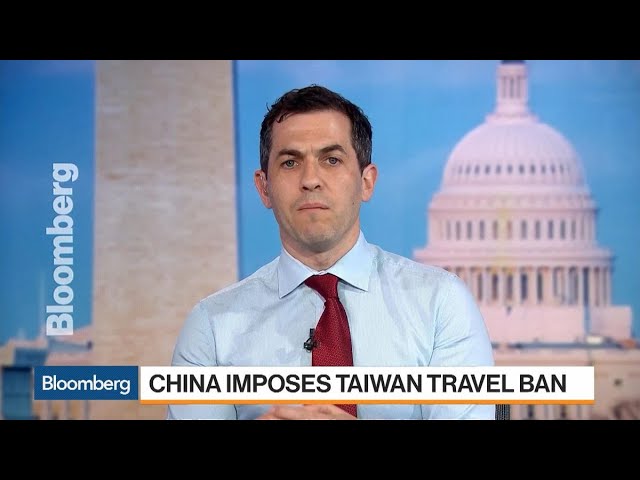
The numbers behind the ban are blunt. Analysts tracking the industry put the potential damage at up to 700,000 fewer mainland visitors and around NT$28 billion — about US$900.5 million — in lost revenue over just the next six months. Benny Wu, chairman of the Taipei Association of Travel Agents, told Bloomberg the decision was a major shock that would hit the local economy hard, a warning that lands squarely on hotels, small tour operators and shops in cities that built business models around independent mainland travelers wandering in without a tour bus.
Taiwan’s government didn’t wait to respond. Transport Minister Lin Chia-lung announced on July 31 that Taipei would inject an additional NT$3.6 billion (US$115.8 million) into tourism promotion during the fourth quarter, aimed at pulling in visitors from other markets to plug the hole left by mainland solo travelers.
A Pattern Beijing Has Used Before
This isn’t the first time China has treated tourist traffic as a lever. Beijing has previously throttled group travel to political targets when relations soured, and the same playbook — cutting official contact, courting Taipei’s diplomatic partners, applying economic pressure — has been running since Tsai took office and refused to sign onto the “1992 consensus.” Washington’s continued arms sales and support for Taiwan, alongside Taipei’s sympathy for protesters in Hong Kong following moves like the one detailed in Trump’s executive order ending preferential treatment for Hong Kong, only sharpen Beijing’s read that Taiwan is drifting further from the mainland and closer to Washington.
What happens next comes down to whether Taiwan’s tourism sector can absorb the shock before January. Lin’s NT$3.6 billion promotional push buys some cushion, but Benny Wu’s travel agents are the ones who’ll feel it first — booking calendars that used to fill with solo mainland visitors now sit empty starting August 1, with six months to find replacement customers before voters head to the polls.




Belarus PM replaces Lukashenko at ceremony, sparks speculation
Stimulus Check 2: When will the Next Stimulus Pass?
Europe’s economy is slowing down
IMF Sees `Heavy Cloud of Uncertainty’ Hanging Over Global Economy
Trump’s Baltimore battle threatens to overshadow strong economy