

 InfoSearched
Elizabeth Warren decided height was fair game in her fight against Michael Bloomberg.
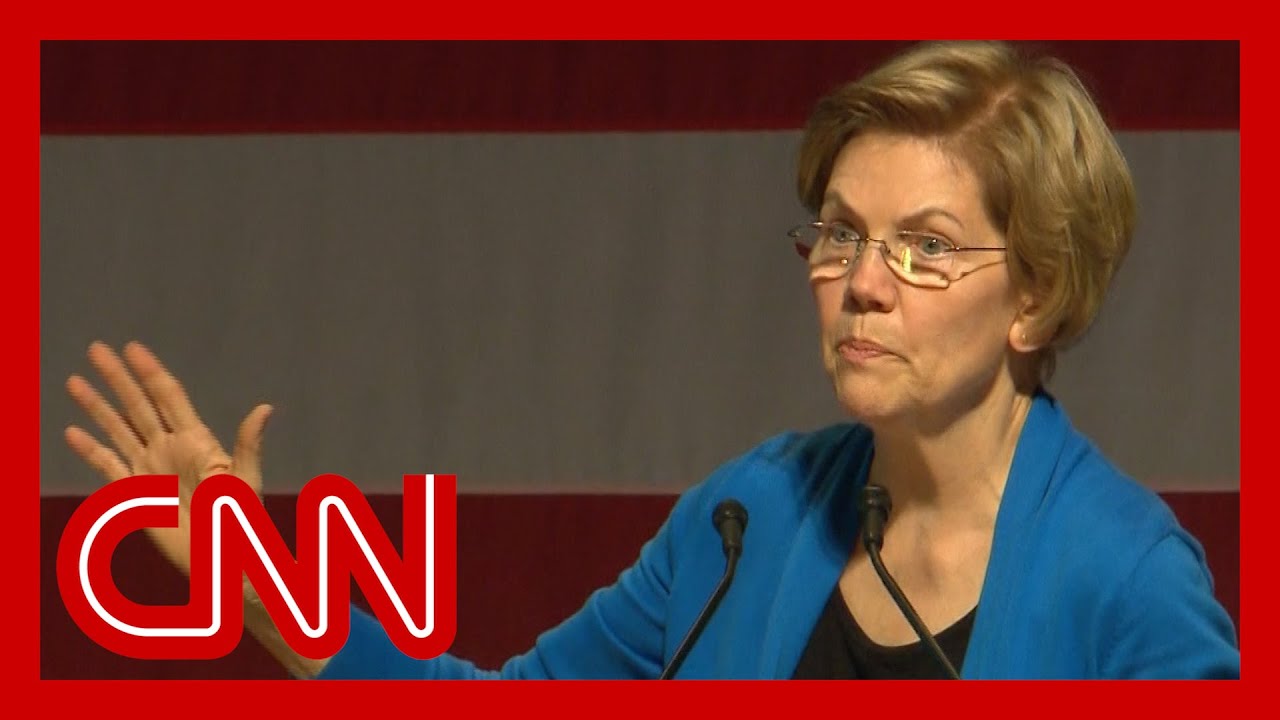
Hours after Nevada Democrats caucused on Saturday, February 22, 2020, Senator Elizabeth Warren stood before supporters and delivered one of the sharpest lines of the primary so far — aimed squarely at Michael Bloomberg’s 5-foot-8 frame. It capped a night where Bernie Sanders ran away with the state, and it extended a broadside Warren had already opened against the billionaire former New York mayor three days earlier on a debate stage in Las Vegas.
- Warren told supporters after the caucuses: “I want to speak specifically for just a minute at the top about a threat that is coming our way. And it’s a big threat — not a tall one, but a big one, Michael Bloomberg.”
- Bernie Sanders won the Nevada caucuses decisively on February 22, while Warren finished well back in the pack.
- The jab followed Warren’s February 19 debate performance in Las Vegas, where she went after Bloomberg over his personal spending, his company’s nondisclosure agreements, and workplace allegations against him.
A Line Built for a Moment
Warren’s remark wasn’t an off-the-cuff slip — it was a deliberately constructed setup, playing the word “big” against Bloomberg’s height to land a laugh before pivoting to substance. Bloomberg, who was skipping the early states entirely and pouring money into a Super Tuesday strategy, had become the target Warren needed after a rough finish in both Iowa and New Hampshire. Nevada gave her a fresh microphone, and she used it to reframe the race around him rather than around her own caucus numbers.
“And it’s a big threat — not a tall one, but a big one, Michael Bloomberg.”
The Debate Stage Groundwork
Warren’s Nevada line didn’t come out of nowhere. On the February 19 debate stage in Las Vegas — Bloomberg’s first appearance in a primary debate — she pressed him directly on nondisclosure agreements tied to workplace complaints against his company, challenging him to release women from those agreements on the spot. She also hammered his record of self-funding a campaign with hundreds of millions of dollars in ad spending, casting him as a candidate trying to buy his way past voters rather than earn them.
That debate exchange set the tone heading into caucus night. By the time results rolled in from Nevada, Warren already had a template: attack Bloomberg’s money and his baggage, then puncture him with something memorable enough to cut through the noise of a crowded Democratic field.
Bloomberg’s Strategic Timing and Motivation
Bloomberg wasn’t on the Nevada ballot in any meaningful competitive sense — he’d bypassed Iowa, New Hampshire, and Nevada to focus on Super Tuesday states, spending aggressively in territory that included Warren’s home state of Massachusetts. That made him an unusual target for a candidate who’d just finished behind Sanders, but it also made strategic sense: Bloomberg was rising in national polling on the strength of his ad budget alone, and Warren needed a foil who wasn’t Sanders, since attacking the new front-runner risked alienating progressive voters she was competing with him for.
The height line traveled fast because it was simple, quotable, and delivered with a smirk rather than a lecture — a sharp contrast to the policy-heavy framing Warren had used against Bloomberg two days earlier. It also fit a broader pattern in the race, where candidates were sizing up how to campaign against a rival with unlimited personal wealth, a theme that ran through coverage of Team Biden’s own strategy rollout around the same stretch of the primary calendar.
Sanders’ Big Night Changes the Math
The backdrop to Warren’s speech mattered as much as the speech itself. Sanders’ decisive Nevada win reset the delegate conversation and pushed rivals toward sharper contrasts just to stay in the headlines. Warren’s fourth-place finish meant her path forward depended less on catching Sanders and more on knocking out competitors for the lane behind him — with Bloomberg, freshly entering the race with deep pockets, looking like the most urgent one to slow down before Super Tuesday arrived. It’s the kind of pivot that’s shown up throughout the cycle’s stretch of viral primary moments, where a single line at a podium does more work than an hour of policy talk.
Bloomberg’s campaign didn’t engage with the height jab directly, sticking to its usual messaging about his record and spending. Warren, for her part, kept the debate-stage attack line running straight through her Nevada remarks — and with Super Tuesday closing in fast, including her own home turf of Massachusetts, the next chance for her to press the case against him in person was already on the calendar.






Grocery prices on the rise
U.S. envoy talks Venezuela crisis ahead of international meeting
De Blasio to slash $1B from NYPD budget as violent crime surges
CA school shooting witness describes seeing “a body fall”
Biden’s accuser says he should drop out of White House race