

 InfoSearched
China’s epicenter of the outbreak just crossed a milestone that seemed unthinkable a month ago: half its coronavirus patients are now well enough to go home.
On March 4, 2020, China’s National Health Commission announced that the recovery rate for COVID-19 patients in Wuhan had climbed past 50 percent, a marker officials pointed to as evidence the outbreak’s grip on its epicenter was finally loosening. NHC spokesperson Mi Feng laid out the numbers at a briefing covering the 24 hours through midnight on March 3, and the trend line — 19 straight days of rising recovery rates — was the headline figure Chinese health authorities wanted the world to see.
- Wuhan’s recovery rate reached 50.2 percent by the end of March 3, with other parts of Hubei at 76.8 percent and provinces outside Hubei at 87.3 percent — all climbing for the 19th consecutive day.
- China logged 119 new confirmed cases, 38 deaths, and 143 new suspected cases nationwide in that 24-hour window, while 2,652 patients were discharged, 390 severe cases improved, and 6,250 people left medical observation.
- Outside Hubei, spread had all but stalled: just four new confirmed cases, 91 suspected cases, and one death across the entire Chinese mainland, with severe cases down by 29.
The Numbers Behind the Recovery Rate
Mi Feng framed the discharge data as the clearest sign yet that the epicenter was turning a corner. “By the end of Tuesday, the recovery rate of COVID-19 patients had reached 50.2 percent in Wuhan, 76.8 percent in other parts of Hubei, and 87.3 percent in other provinces, all rising for the 19th day in a row,” he told reporters, tying the figures to the broader national count of 119 new confirmed cases and 38 deaths recorded across 31 provincial-level regions and the Xinjiang Production and Construction Corps.
“By the end of Tuesday, the recovery rate of COVID-19 patients had reached 50.2 percent in Wuhan, 76.8 percent in other parts of Hubei, and 87.3 percent in other provinces, all rising for the 19th day in a row.”
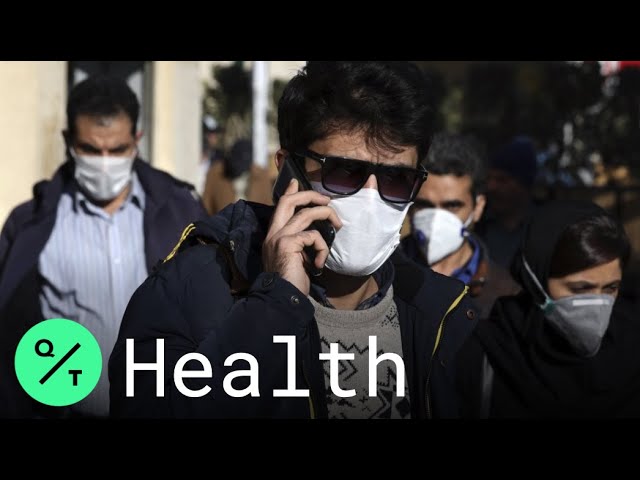
The contrast between Hubei and the rest of the country was stark. With only four new confirmed cases and one death reported outside Hubei on the mainland that day, officials argued the containment measures rolled out in the weeks prior — echoed in reports of eerily empty streets and Beijing resembling a “ghost town” — were finally paying off where the virus had spread farthest from its origin point.
Updated Treatment Guidelines
Alongside the case data, the NHC and the National Administration of Traditional Chinese Medicine issued the seventh edition of the national diagnosis and treatment plan for COVID-19. The update added new material on the virus’s pathologic changes and adjusted the clinical criteria doctors use for diagnosis, treatment, and discharge, aiming to give physicians a more precise framework for different categories of patients.
The revised guidance also reiterated that respiratory droplets and close contact remain the primary transmission routes, but acknowledged aerosol transmission is possible after long exposure to high concentrations of aerosolized particles in enclosed spaces — including from excreta, which the document flagged as an area warranting continued attention.
Questions About Recovered Patients Testing Positive Again
As more patients were cleared for discharge, concern grew over reports of recovered patients later testing positive again for the virus’s RNA. Du Bin, director of the Medical Intensive Care Unit at Peking Union Medical College Hospital, addressed the issue directly, saying there was no evidence these cases posed a renewed transmission risk. “There are several cases who have been reported, had a positive test for RNA of the novel coronavirus after being discharged or after multiple negative results… but currently, we have no idea how many of them,” Du said, adding that current research showed “no evidence” these patients could transmit the virus to close contacts.
To manage the discharge process, a temporary hospital in Wuhan adopted a cloud-based system to track treatment and provide follow-up medical service to patients during their mandatory 14-day isolation period after leaving the hospital.
Plasma Donations and Equipment Supply
Chinese health authorities and the Red Cross Society had also called on recovered COVID-19 patients between the ages of 18 and 55 to donate plasma, based on clinical findings that antibodies in recovered patients’ plasma could help neutralize the virus in those still fighting it. As of March 3, 768 people had donated plasma, with 261 cases already used in clinical treatment. Among 159 patients monitored within 48 hours of receiving an infusion, 105 showed improvement in symptoms or clinical indicators — a 66.03 percent response rate.
On the supply side, Luo Junjie, director of the Department of Equipment Industry No. 1 under the Ministry of Industry and Information Technology, said medical equipment production had reached a level that could basically meet the needs of epidemic control efforts in Hubei, the province hit hardest by the outbreak.
The recovery-rate data gives Beijing a number it can point to as containment measures show results inside China, even as questions about the virus’s origins and international spread — the kind raised in ongoing scrutiny of research tied to bat-to-human transmission — continue to draw attention well beyond Hubei’s borders. For now, the next marker to watch is whether that 76.8 percent recovery rate in the rest of Hubei can catch up to Wuhan’s, and whether the seventh edition of the treatment guidelines holds up as more discharged patients complete their 14-day isolation.







Newlywed Off-Duty Police Officers Stop Robbery At Restaurant
Watch live: President Trump, First Lady test positive for Covid-19
News correspondent speaks out after testing positive for COVID-19
President Trump Proposes $500 Million In Checks For Americans
How Amazon Paid $0 Federal Income Tax in 2018