

 InfoSearched
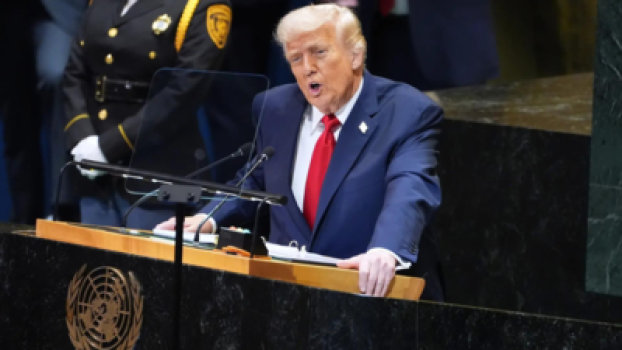
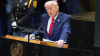
President Trump stood before the United Nations General Assembly and told the world’s diplomats that recognizing a Palestinian state right now amounts to rewarding Hamas for October 7.
Speaking in New York on September 23, 2025, Trump used his UN address to draw a hard line against a wave of Western governments moving to recognize Palestinian statehood. He argued the timing rewards terrorism rather than punishes it, and his remarks landed just a day after the U.S. and Israel skipped a recognition summit hosted by France and Saudi Arabia. The speech laid bare how far Washington has drifted from traditional allies on this specific question, even as Trump pushed those same allies toward a narrower, more urgent goal: getting hostages out of Gaza.
- Trump told the assembly: “As if to encourage continued conflict, some of this body is seeking to unilaterally recognize the Palestinian state. The rewards would be too great for Hamas terrorists, for their atrocities.”
- France, the United Kingdom, Canada, Australia and Portugal recently moved to recognize Palestinian statehood, while the U.S. and Israel boycotted a related recognition summit convened by France and Saudi Arabia the day before Trump’s speech.
- After his address, Trump met with leaders and officials from Saudi Arabia, Qatar, the UAE, Egypt, Jordan, Turkey, Indonesia and Pakistan to discuss post-war Gaza governance, calling the session “very successful” and adding that consultations with Israel would follow.
The Speech Itself
Trump’s core argument was one of sequencing: recognize a Palestinian state now, in the shadow of an unresolved hostage crisis nearly two years after October 7, and the message to Hamas is that terrorism produces political dividends. He framed unilateral recognition moves not as diplomacy but as an accelerant, telling delegates the push would “encourage continued conflict” rather than end it. That framing put him directly at odds with a growing bloc inside the same chamber.
“The rewards would be too great for Hamas terrorists, for their atrocities.”
A Widening Gap With Allies
The backdrop made Trump’s isolation on the issue hard to miss. In the days before his speech, France, the United Kingdom, Canada, Australia and Portugal all moved to recognize Palestinian statehood, citing frustration with the trajectory of Israel’s military campaign in Gaza. Both Washington and Jerusalem sat out the France-and-Saudi Arabia-convened recognition summit in New York the day before, a boycott that signaled the depth of the split rather than any ambiguity about it. It’s a familiar pattern of Trump breaking from allied consensus at the UN, echoing the divides that surfaced during earlier critical-moment diplomacy over Ukraine, where Washington’s posture again ran ahead of or against where European partners wanted to go.
Hostages Over Recognition
Rather than statehood talk, Trump pressed the assembly to fixate on one number: the hostages Hamas still holds in Gaza, nearly two years into the war. His argument was straightforward — recognition doesn’t free a single captive, and until that happens, statehood discussions are premature at best and counterproductive at worst. That message doubled as a pitch to the room: pressure Hamas first, negotiate territory and governance second.
The Meeting With Muslim-Majority Leaders
Following the speech, Trump sat down with leaders and senior officials from Saudi Arabia, Qatar, the UAE, Egypt, Jordan, Turkey, Indonesia and Pakistan to work through what postwar Gaza governance could look like and how Israel might eventually exit without Hamas holding power. Trump called the meeting “very successful” and said Israeli consultations would follow next. It’s a notable pivot point given the region’s other flashpoints of the moment, including the friction that has shaped coverage of Israel’s leadership turnover and how any new government in Jerusalem would need to sign onto whatever framework emerges from these talks.
What happens next runs through those Israeli consultations Trump promised. If Jerusalem signs off on a Hamas-free exit plan discussed with the Saudi, Qatari, Emirati, Egyptian, Jordanian, Turkish, Indonesian and Pakistani delegations, that becomes the actual test of whether this UN speech was rhetoric or the opening move on a real postwar framework for Gaza.




Coronavirus: Italy extends emergency measures nationwide
Hasan Minhaj Calls Out Congress Over Student Loans: ‘You Paid Far Less For Your Degrees’ | NBC News
Coronavirus/Covid-19: What happens now, what comes next
Watch live: President Trump, First Lady test positive for Covid-19
Why new diseases keep appearing in China