

 InfoSearched
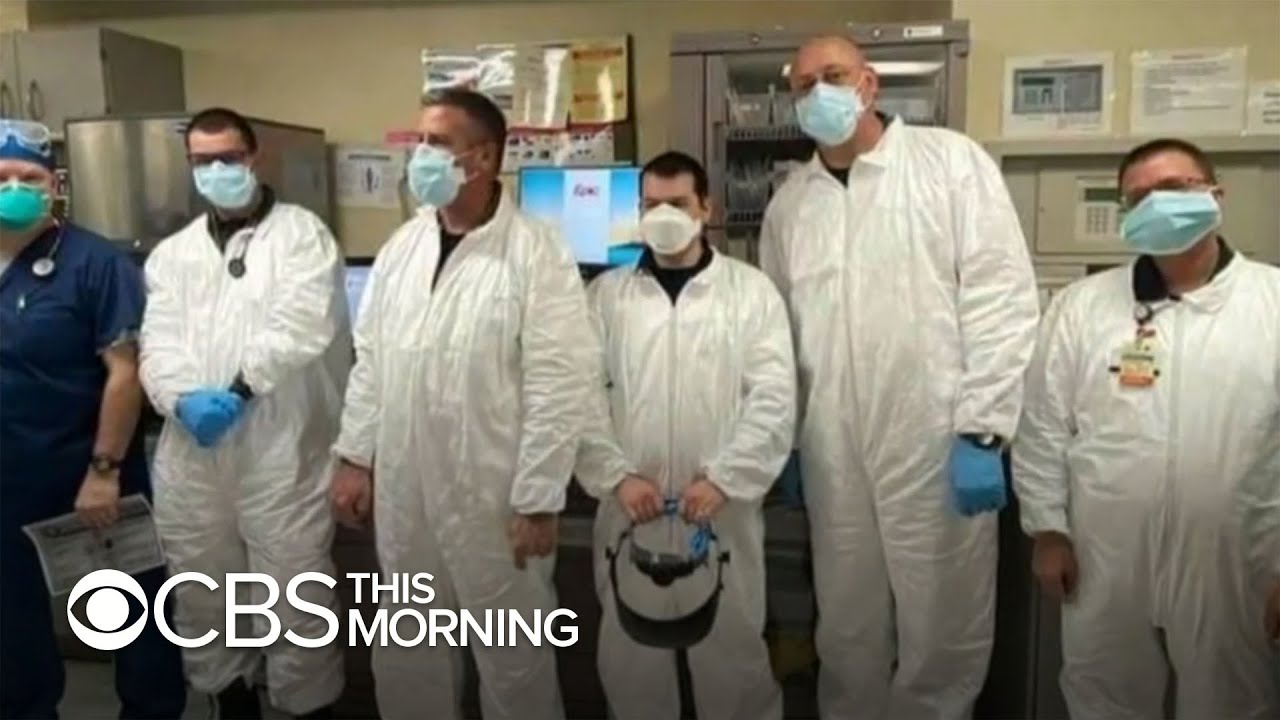
Nurses and doctors on the front lines of the coronavirus outbreak say their own hospitals are telling them to stay quiet.
As COVID-19 cases climbed past grim new thresholds in early April, health systems from New York to Chicago moved to lock down what their own staff could say publicly about the conditions inside their buildings. Nurses and physicians describe warnings that talking to reporters or posting on social media about PPE shortages could cost them their jobs — and in at least two cases, it already has. The result is a standoff between hospital administrators worried about their public image and clinicians who say silence is putting patients and coworkers at risk.
- Illinois reported its confirmed coronavirus cases rising by more than 1,000 in a single day, while Michigan’s largest hospital system said 1,500 of its own workers were showing COVID-19 symptoms.
- NYU Langone Health and Montefiore Health System both issued directives warning staff that unauthorized contact with the press could lead to disciplinary action, including termination.
- Chicago nurse Lauri Mazurkiewicz was fired by Northwestern Memorial Hospital after emailing colleagues to push for N95 masks over standard surgical masks, and has since filed a wrongful termination lawsuit; in Washington state, ER physician Dr. Ming Lin was removed from his position after publicly criticizing his hospital’s staffing and safety protocols.
The Gag Orders Spreading Through Major Health Systems
NYU Langone Health and Montefiore Health System, two of the largest hospital networks in New York — then the epicenter of the U.S. outbreak — sent internal notices telling employees that speaking to journalists without clearance could trigger discipline up to firing. Administrators framed the policies as protecting patient privacy and keeping institutional messaging consistent. Nurses and doctors on the ground read it differently: a directive that arrived just as PPE shortages and overwhelmed units were becoming daily realities inside their own wards.
The timing mattered. Illinois logged a one-day jump of more than 1,000 confirmed cases, and Michigan’s largest hospital system reported 1,500 workers with symptoms consistent with COVID-19 — numbers that made frontline conditions a matter of urgent public interest at the exact moment staff were being told to keep those conditions to themselves.
Firings That Turned Warnings Into Reality
The threats weren’t theoretical. Northwestern Memorial Hospital in Chicago fired nurse Lauri Mazurkiewicz after she emailed fellow staff urging them to use N95 respirators instead of standard surgical masks — advice grounded in basic infection-control practice that nonetheless got her terminated. She has since sued the hospital for wrongful termination.
In Washington state, emergency room physician Dr. Ming Lin lost his position after speaking out publicly about staffing levels and safety protocols at his hospital. His removal, alongside Mazurkiewicz’s firing, became the clearest evidence for critics that the gag orders weren’t just about privacy — they were about controlling the narrative before it spread.
Nurses and doctors say they’re being forced to choose between their paycheck and warning the public about the equipment shortages they’re facing every shift.
Pushback From Nursing Groups and Bioethicists
The Washington State Nurses Association and Physicians for Human Rights both pushed back against the muzzling policies, arguing that clinicians have an ethical obligation to raise alarms about unsafe conditions — and that punishing them for doing so undermines the very trust hospitals claim to be protecting. Bioethicists went further, describing the restrictions as corporate brand management dressed up as patient-privacy policy, designed to shield institutions from reputational damage rather than to protect anyone’s medical records.
That argument lines up with what’s already happening in states imposing stricter coronavirus restrictions as infections continue to spike — the more visible the surge, the more hospitals seem inclined to control what their own staff can say about it.
Broader Implications Beyond Single Hospitals
Advocates for frontline workers argue that denying nurses and doctors the ability to blow the whistle on inadequate PPE doesn’t just affect morale — it removes one of the earliest warning systems the public has for how badly a hospital is actually coping. Michigan’s stay-at-home order and its overwhelmed hospital system had already put the state’s healthcare capacity under scrutiny, a tension playing out alongside the broader political fight captured in the protests at Michigan’s state capitol over Governor Whitmer’s stay-at-home order. When the workers closest to the shortage are told to stay quiet, that early-warning function disappears just when it’s needed most.
Mazurkiewicz’s lawsuit against Northwestern Memorial is still working through the courts, and it’s the case worth watching — if a jury or judge sides with her, it sets a precedent that could make every hospital gag order issued during this surge a lot harder to enforce.



Why I left China for Good!
Arrests Made For School Shooting Threats In Oklahoma, California | NBC Nightly News
California May Start School Year in Summer, Governor Newsom Says
Highlights from Night 1 of the Democratic debate in Detroit
Europe dealing with 2nd wave of coronavirus cases