

 InfoSearched
Supreme Court Reviews Parliament Prorogation
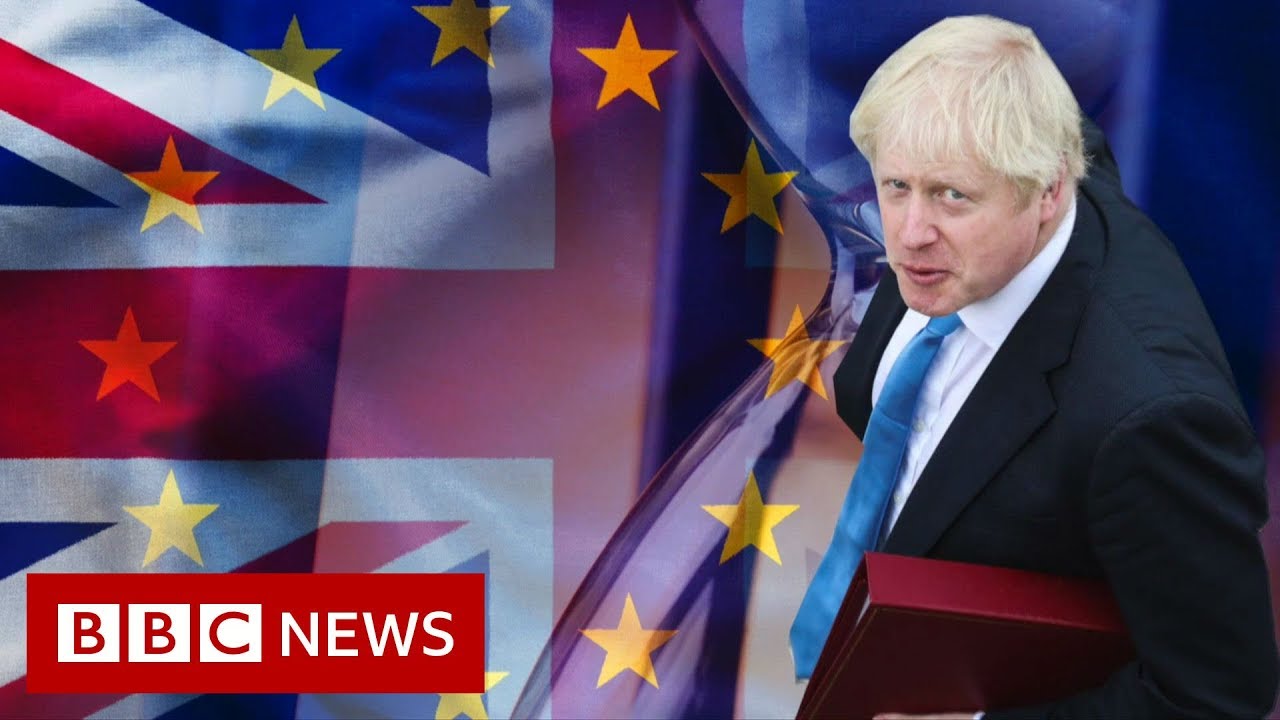
On Tuesday, September 17, 2019, the UK Supreme Court opened a historic three-day hearing into whether Prime Minister Boris Johnson acted lawfully when he advised the Queen to prorogue Parliament for five weeks in the run-up to the October 31 Brexit deadline. It’s the kind of case the court doesn’t usually get: two lower courts had already looked at the same facts and reached opposite conclusions, leaving eleven of the UK’s most senior justices to settle it in one of the most consequential constitutional hearings in decades.
- Supreme Court President Lady Brenda Hale opened proceedings by calling it “a serious and difficult question of law,” stressing the justices would rule only on the lawful limits of executive power — not on when or how Brexit itself should happen.
- The court had to reconcile two conflicting rulings: England’s High Court found prorogation a non-justiciable political matter, while Scotland’s Court of Session ruled it unlawful because it was designed to dodge parliamentary scrutiny.
- Lord Pannick QC, arguing for transparency campaigner Gina Miller, told the court Johnson used the prorogation power for an improper purpose — to silence MPs and run down the clock on Brexit negotiations without having to answer to Parliament.
A Case Born From Two Contradictory Rulings
What made Tuesday’s hearing so unusual was the sheer disagreement already on the record before the justices even sat down. England’s High Court had waved the issue away as pure politics, the kind of decision courts have no business second-guessing. Scotland’s Court of Session went the other direction entirely, finding that the prorogation was unlawful precisely because its purpose was to stop MPs from doing their job of scrutinizing the government during the most sensitive stretch of Brexit negotiations. Lady Hale’s court now had to pick a side — or find a third way through both.
That split is why the case landed in front of the full panel rather than the usual five or seven justices. Similar constitutional weight has hung over other Supreme Court disputes making headlines this year, including calls for accountability aimed at sitting justices in the US, though the UK court’s task here was narrower: decide whether the prime minister’s advice to the Queen crossed a legal line, not referee Brexit itself.
The Arguments Inside Court
Lord Pannick led the case against the government on behalf of Gina Miller, arguing that Johnson had exploited the royal prerogative for a purpose it was never meant to serve — muting parliamentary debate and squeezing the time MPs had to challenge his Brexit strategy before October 31. Government lawyers pushed back hard, insisting that proroguing Parliament ahead of a Queen’s Speech is standard political practice used by prime ministers for generations, and that courts have no jurisdiction to second-guess a decision that is fundamentally political rather than legal.
“A serious and difficult question of law” — Lady Hale, opening the hearing
Lady Hale was careful to frame the stakes precisely for the courtroom and the public watching. The justices were not there to decide whether Brexit should happen, when it should happen, or on what terms — only whether the mechanism Johnson used to sideline Parliament for five weeks fell inside or outside the law.
Significance of Five Week Suspension
The length of the suspension is what turned this into a legal fight rather than a routine procedural note. Five weeks is longer than a typical prorogation, and it landed at the exact moment MPs would otherwise have been debating and voting on Brexit strategy with just over six weeks left before the October 31 deadline. That timing is the entire basis of Miller’s case — not that prorogation itself is improper, but that using it to choke off scrutiny during the most critical run-up to Brexit was.
The broader political backdrop made the hearing impossible to separate from the Brexit fight itself, even as Lady Hale insisted the two be kept apart. Just as other high-stakes diplomatic standoffs this year have forced governments to weigh legal process against political urgency — as seen in other moments when courts and diplomacy collided under pressure — the prorogation case put the judiciary squarely between an elected government and a Parliament that said it had been shut out of the process.
Eleven justices, three days of argument, and a courtroom split down the middle before a word was even said on Tuesday — that’s the size of the problem Lady Hale and her colleagues walked into, with the clock still running toward October 31 no matter what they decide.





The Boy Scouts of America files for bankruptcy amidst sexual harassment allegations
McEnany: White House reporters are making pandemic about themselves
Poland election: The fight for LGBT rights
Why The Left Can’t Handle Donald Trump | Russell Brand
President Trump proposes economic changes over coronavirus