

 InfoSearched
The federal government just bet nearly $2 billion on a vaccine that hadn’t yet proven it works.
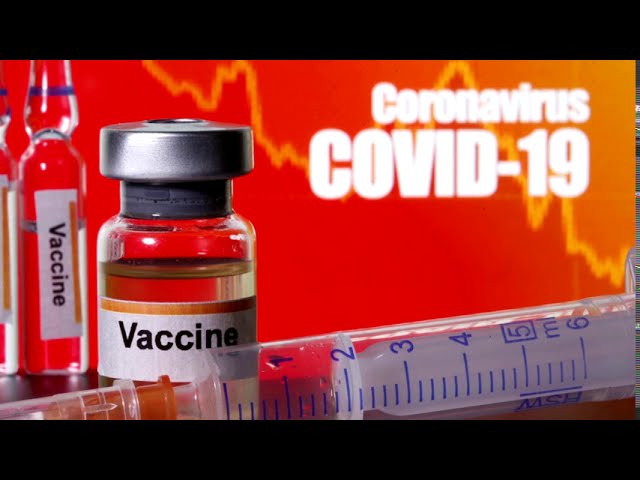
On July 22, 2020, the U.S. government announced it would pay Pfizer Inc. and its German partner BioNTech SE $1.95 billion for 100 million doses of their experimental mRNA COVID-19 vaccine candidate, known as BNT162. The deal, the largest single vaccine contract signed under Operation Warp Speed to that point, also gives Washington the option to buy up to 500 million additional doses down the road. At the time of the announcement, the candidate had only produced encouraging antibody responses in early-stage human trials — it had not yet been proven effective or cleared by regulators.
- The U.S. agreed to pay $1.95 billion for 100 million doses of the Pfizer-BioNTech candidate, with an option to acquire 500 million more.
- Unlike deals with Moderna, AstraZeneca and Novavax, Pfizer self-funded its own R&D and will only collect federal money if the vaccine wins Emergency Use Authorization or full FDA approval.
- Because the regimen requires two shots, the 100 million doses cover 50 million Americans at $39 per person — and HHS confirmed the vaccine will be given out free of charge.
The Structure of the Deal
The agreement, distributed jointly through Pfizer and BioNTech’s press channels, is built differently than most of Operation Warp Speed’s other early bets. The government didn’t hand over research money up front the way it did with Moderna, AstraZeneca and Novavax. Pfizer CEO Albert Bourla made a point of noting that his company funded its own development work, arguing that self-funding let Pfizer move faster without waiting on federal sign-off at every stage.
That structure cuts both ways for taxpayers. It means the $1.95 billion doesn’t get spent unless the vaccine actually clears large-scale trials and gets manufactured at scale — Pfizer and BioNTech get paid only after the candidate secures Emergency Use Authorization or standard approval from the FDA. Until then, the companies are carrying the financial risk on their own balance sheets.
The Impact of Hundred Million Doses
Because BNT162 is a two-shot regimen, the initial order of 100 million doses is enough to inoculate 50 million people, working out to roughly $19.50 per dose, or $39 for a full course. The Department of Health and Human Services confirmed that once available, the vaccine would go to Americans at no direct cost.
$1.95 billion for 100 million doses — enough to cover 50 million Americans at $39 a regimen, with the government not owing Pfizer a dime unless the FDA signs off.
The scale of the order lines up with the broader push chronicled in coverage like several states imposing stricter coronavirus restrictions as infections continue to spike, as case counts climbing through the summer put pressure on Washington to lock down supply before any candidate even finished testing.
The Trial Timeline
Pfizer and BioNTech were preparing to launch a pivotal Phase 2b/3 trial enrolling as many as 30,000 participants later in July, with an eye toward requesting regulatory clearance as early as October 2020. Globally, the two companies set a target of manufacturing up to 100 million doses by the end of 2020, scaling to more than 1.3 billion doses by the close of 2021 if the shot cleared trials and manufacturing hurdles.
None of that had happened yet as of the announcement — no efficacy data, no FDA sign-off, no confirmed manufacturing run. The $1.95 billion figure was a bet on a candidate still working its way through the human-trial pipeline, alongside the parallel scramble covered in stories like U.S. reopens travel for the vaccinated as COVID-19 cases surge across Europe, which captures just how much weight officials were already placing on a vaccine that hadn’t cleared the finish line.
The next marker to watch is that Phase 2b/3 trial getting underway later in July — 30,000 people, watched closely by regulators, with October floated as the earliest date Pfizer and BioNTech could even ask the FDA for clearance.
China Sends Warning Sign With Taiwan Travel Ban
Judge UNSEALS Epstein Documents, Dozens Of Powerful Men To Be Named
Benjamin Netanyahu may fall short in Israel election l ABC News
Elizabeth Warren: We won’t win this moment with spinelessness
President Trump Says He Did Not Discuss Election Interference With Putin | Velshi & Ruhle | MSNBC