

 InfoSearched
Boris Johnson’s fight with COVID-19 takes a turn for the better as he leaves intensive care.
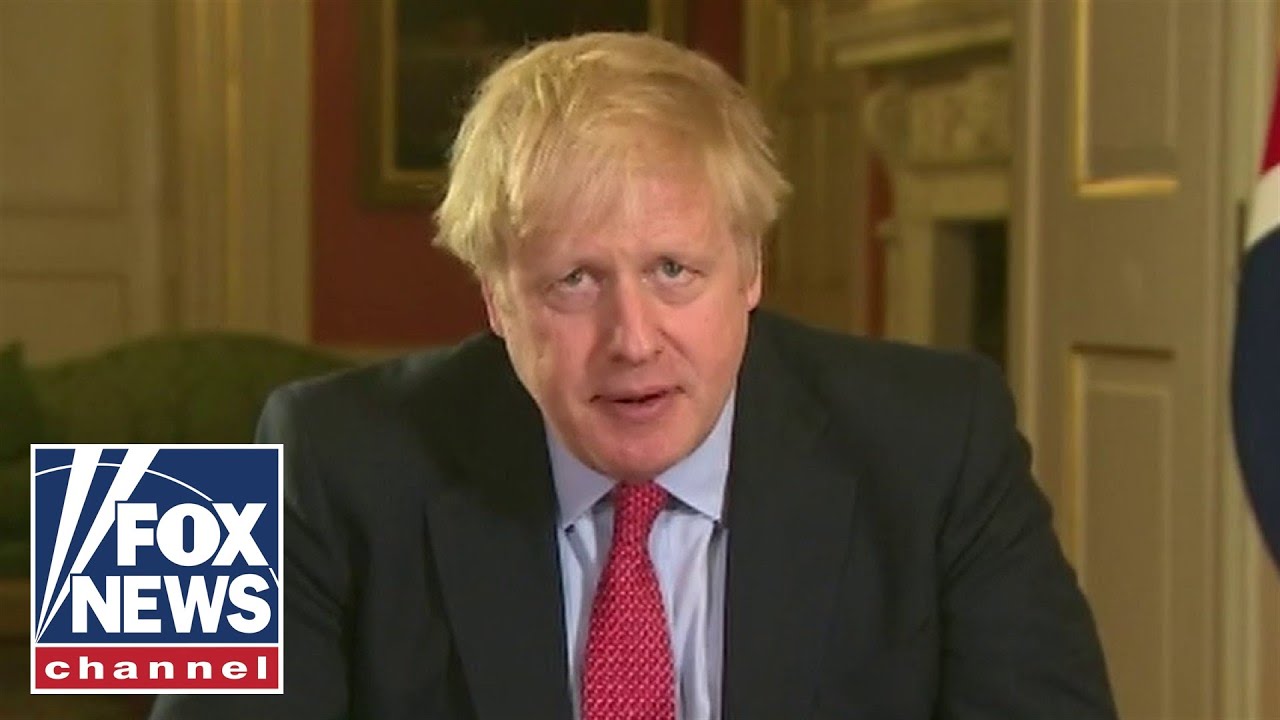
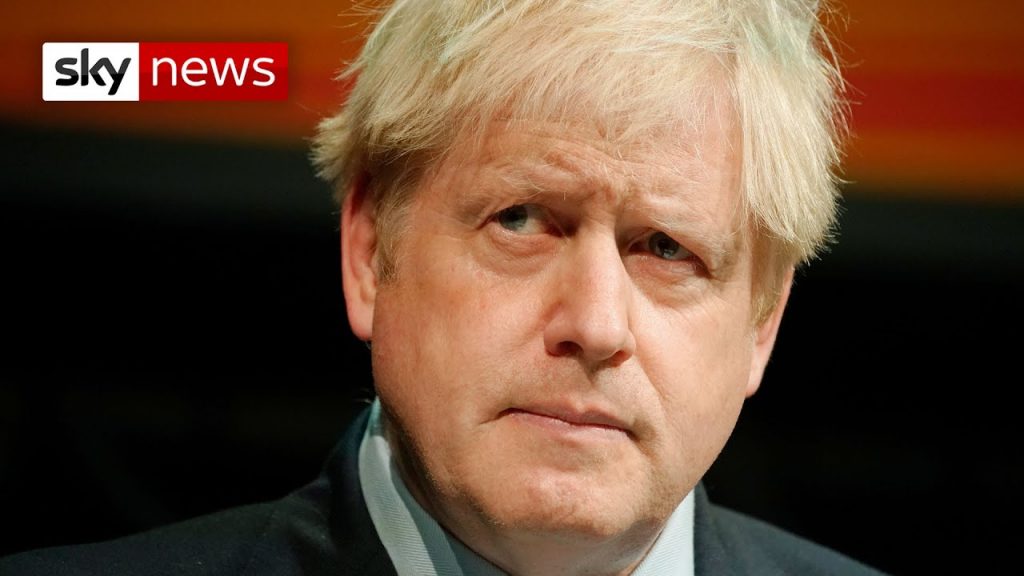
Downing Street confirmed on the evening of Thursday, April 9, 2020, that Prime Minister Boris Johnson had been moved out of the intensive care unit at St Thomas’ Hospital in London and back to a general ward, three days after his coronavirus symptoms forced doctors to escalate his treatment. The 55-year-old had spent three nights in the ICU receiving oxygen therapy but never required a ventilator. His release from intensive care marked the first genuinely hopeful update in a saga that had gripped the UK government and much of the world.
- Johnson was moved back to a general ward on the evening of April 9, three nights after entering the ICU on April 6, and received standard oxygen therapy without needing mechanical ventilation.
- Chancellor Rishi Sunak said before the transfer that the prime minister was “sitting up in bed and engaging positively with the clinical team,” while Downing Street described him as “in extremely good spirits.”
- Foreign Secretary Dominic Raab has been deputizing for Johnson throughout his hospitalization, as the UK’s confirmed COVID-19 hospital deaths climbed past 7,900.
From Downing Street to St Thomas’ Hospital
Johnson tested positive for COVID-19 in late March and initially tried to manage his symptoms while continuing to work from Downing Street, holding video calls and briefings even after his diagnosis. Ten days later, with a persistent cough and a high fever that wouldn’t break, he was admitted to St Thomas’ Hospital on Sunday, April 5. What was billed at the time as a routine precaution turned serious fast: his condition worsened the following afternoon, and on Monday, April 6, he was moved into intensive care.
That transfer set off a wave of concern across the UK and abroad, given Johnson was actively leading the country’s response to a pandemic that had already forced the nation into a strict lockdown. With the prime minister sidelined, Dominic Raab stepped in to handle government operations where necessary, a role he had already begun filling in the days before Johnson’s ICU admission.
Three Nights in Intensive Care
Over the course of his stay in the ICU, Johnson was given standard oxygen therapy rather than being placed on a ventilator, a detail Downing Street and hospital officials were careful to clarify given how quickly speculation had spread about the severity of his case. Rishi Sunak, briefing reporters before Johnson’s release, said the prime minister was “sitting up in bed and engaging positively with the clinical team” — language that signaled improvement without overstating it.
“The prime minister has been moved this evening from intensive care back to the ward, where he will receive close monitoring during the early phase of his recovery. He is in extremely good spirits.”
That Downing Street statement, issued Thursday evening, was the clearest signal yet that Johnson’s condition had stabilized. He remained under close observation on the ward as doctors weighed the next phase of his recovery, with no firm timeline given for either his hospital discharge or his return to full duties.
Reaction From Westminster and Washington
News of Johnson’s move out of intensive care drew a quick response from political figures on both sides of the aisle. Opposition Labour leader Keir Starmer tweeted, “Great to hear news Boris Johnson has left intensive care. I hope he’s back in Downing Street soon.” President Donald Trump posted on Twitter, “Great News: Prime Minister Boris Johnson has just been moved out of Intensive Care. Get well Boris!!!”
The goodwill crossed party and national lines in a way few stories had during the pandemic’s early weeks, a reflection of how closely Johnson’s illness had been tracked as a bellwether for how the virus could affect even a head of government with access to the best available care. The update landed as UK hospital deaths from COVID-19 passed 7,900, a grim backdrop that made Johnson’s improvement feel like rare good news, even as the broader restrictions tightening across affected countries showed no sign of easing.
Future Outlook for Downing Street
With Johnson still on the ward and Raab continuing to deputize in his absence, the UK government faced the practical question of how long the arrangement would need to hold. Sunak’s briefings and the Downing Street statement both stopped short of predicting a discharge date, framing the coming days as an “early phase of his recovery” rather than a return to normal. Public health officials, meanwhile, were still working off projections showing the death toll continuing to climb before the UK’s outbreak curve was expected to peak.
Raab keeps running the day-to-day business of government for now, and Downing Street has made clear it won’t rush Johnson’s return just because he’s off the ward’s most intensive care. The next real marker to watch is whether he’s discharged from St Thomas’ altogether — until then, “close monitoring” is the operative phrase coming out of Number 10.





Fixated Trump Is Still Trying To Overturn The 2020 Election
The Boy Scouts of America files for bankruptcy amidst sexual harassment allegations
NYC mayor warns residents to prepare for shelter-in-place order
Swarm Of Locusts Threaten Livelihood Of Millions In African, Asian And Middle Eastern Countries
February 3, 2022: NATO, Russia troops, Erdogan, Ukraine, Biden in NYC, Winter Olympics, Mississippi