

 InfoSearched
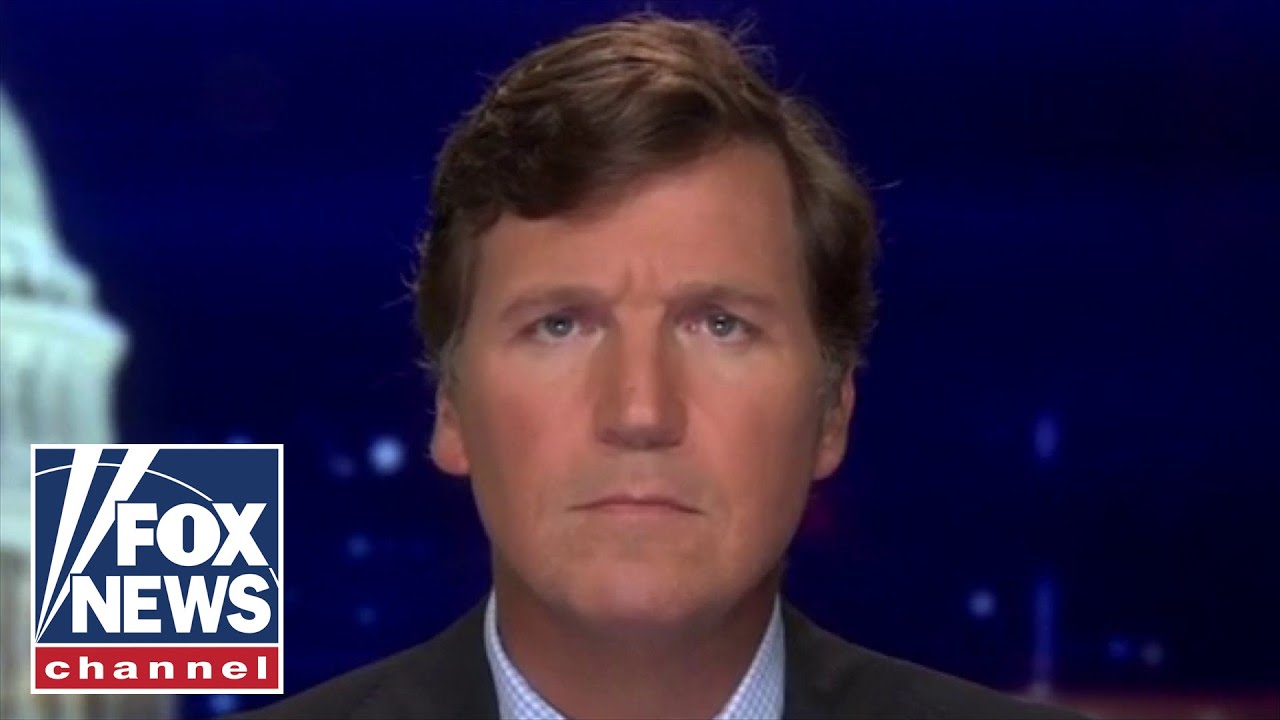
Tucker Carlson tells his audience the lockdown debate isn’t over — no matter how badly officials want it to be.
On Fox News’ top-rated 8 p.m. hour, Tucker Carlson opened “Tucker Carlson Tonight” in early May 2020 with a monologue aimed squarely at the political class managing the coronavirus response. His target wasn’t the virus itself — it was the demand, coming from governors, mayors and much of the media, that Americans stop asking hard questions about the shutdown orders reshaping their lives.
- Carlson argued that officials and media figures were treating skepticism of lockdown policy as itself dangerous, rather than answering it with data.
- He framed the core message from the ruling class as simple and blunt: comply first, ask questions never.
- The monologue pointed to business closures, unemployment and mental health strain as consequences officials weren’t being forced to account for.
The Case Against Unquestioned Authority
Carlson’s argument was structural, not just political: in a self-governing country, the people ordering millions of businesses closed and citizens confined to their homes owe the public a real accounting of why, and at what cost. He said the elites managing the response wanted the opposite — obedience without explanation. That framing put him squarely at odds with the tone set by many big-city mayors and governors, several of whom had by early May imposed tightening restrictions even as protests against stay-home orders spread in states like Michigan, where demonstrators had already flooded the state capitol to protest Governor Whitmer’s stay-at-home order.
They want you to shut up, obey and do what you’re told.
That line, delivered as the thesis of the segment, captured Carlson’s broader complaint: that the debate over lockdowns had been recast by officials and cable-news rivals as a binary between “following the science” and recklessly endangering lives, with no room for a middle position that questioned specific mandates without denying the virus was real.
Labeling Dissent as Reckless
Central to the monologue was Carlson’s criticism of how anti-lockdown protesters were being characterized — not as citizens raising legitimate economic and constitutional concerns, but as irresponsible actors putting others at risk. He argued that this framing let officials sidestep tougher questions: how many jobs had actually been lost, what unemployment claims were doing to household finances, and whether isolation orders were producing their own public-health toll through untreated mental health crises. Those questions, he said, deserved answers rather than dismissal.
The segment landed at a moment when state-level policy was genuinely diverging — some states were already tightening rules further even as case curves flattened in parts of the country, a split documented in coverage of how several states were imposing stricter coronavirus restrictions as infections continued to spike elsewhere. Carlson’s point was that this patchwork of decisions was being made with minimal public debate over the underlying trade-offs.
Scrutiny as a Democratic Obligation
Carlson closed his argument by insisting that scrutiny of government action is not disloyalty — it’s the baseline function of a free press and an engaged public in any democracy, pandemic or not. He contended that treating skepticism as taboo, rather than meeting it with evidence, was itself a sign that the policies in question couldn’t fully withstand the scrutiny their authors were trying to avoid.
The monologue never claimed the virus wasn’t serious or that all restrictions were unjustified. Its argument was narrower and, for Carlson, more durable: that the people writing the rules should have to defend them out loud, in public, against real pushback — not simply tell the country to comply and move on.

Tucker: Big Tech censors dissent over coronavirus lockdowns
OH NO JOE! Did Biden Just Have a Stroke Mid-Speech?
Coronavirus case on U.S. base in South Korea
Man intentionally derailed train near hospital ship
Coronavirus deaths rising fast in Europe and US