

 InfoSearched
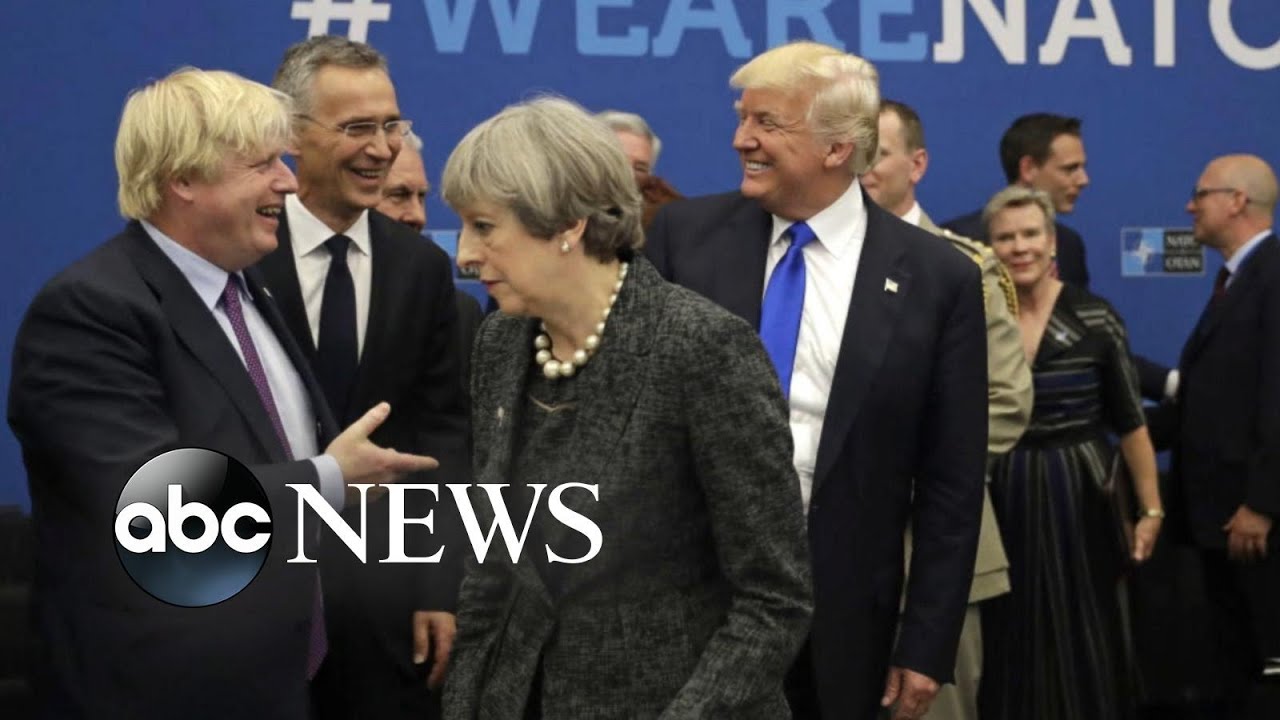
Downing Street changes hands as Boris Johnson completes his march to the top of British politics.
Theresa May’s three years at Number 10 ended not with a deal, but with a landslide loss inside her own party. Boris Johnson, the former London mayor and foreign secretary, was declared winner of the Conservative Party leadership contest on July 23, 2019, and now heads to Buckingham Palace to be formally installed as prime minister. He takes over a government split down the middle over Brexit, with a hard October 31 deadline already on the calendar.
- Johnson defeated Foreign Secretary Jeremy Hunt in the Conservative leadership vote, 92,153 to 46,656 — roughly 66% of the ballot — among party members.
- Theresa May faced her final Prime Minister’s Questions on the morning of July 24 before traveling to Buckingham Palace to resign to Queen Elizabeth II, who then received Johnson to invite him to form a government.
- Chancellor Philip Hammond, Justice Secretary David Gauke and International Development Secretary Rory Stewart all signaled they would resign rather than serve under a prime minister committed to a possible no-deal Brexit.
A Landslide Among Party Members
The result at the Queen Elizabeth II Centre in Westminster wasn’t close. Johnson’s 92,153 votes to Hunt’s 46,656 gave him a two-to-one margin among the roughly 160,000 Conservative members eligible to vote, ending a leadership race that had run since May’s resignation announcement on May 24. In his acceptance speech, Johnson leaned on the campaign line that had carried him through the contest, vowing to “deliver Brexit, unite the country, and defeat Jeremy Corbyn” — turning the acronym into a pledge to “energise the country.”
Deliver Brexit, unite the country, and defeat Jeremy Corbyn.
Johnson was explicit that the October 31 exit date was not up for negotiation, telling supporters the UK would leave the European Union on that date “with or without a deal.” That single line set the terms for everything that follows in his premiership — and for who would agree to sit in his Cabinet.
The Handover at Buckingham Palace
The formal transfer of power followed a well-worn British ritual. May stood for her last Prime Minister’s Questions in the House of Commons on the morning of July 24, then traveled to Buckingham Palace to tender her resignation to the Queen. Immediately after May’s departure, the Queen was scheduled to hold an audience with Johnson to invite him to form a new government — making him the 14th prime minister of her reign.
The sequence has echoes of other recent leadership handovers around the world, even if the mechanics differ sharply — from the ceremonial transfer of power in Belarus to the parliamentary ouster that later ended Benjamin Netanyahu’s twelve years as Israel’s prime minister. In Johnson’s case, the mechanism is Palace protocol rather than a floor vote, but the political stakes are just as sharp: he inherits a Parliament that has already rejected May’s withdrawal agreement multiple times.
A Cabinet Already Fracturing
Johnson’s win triggered an immediate wave of resignations before he had even reached Downing Street. Chancellor Philip Hammond, Justice Secretary David Gauke and International Development Secretary Rory Stewart all made clear they would not serve under a leader who had refused to rule out a no-deal exit. All three had been vocal opponents of a hard break with Brussels during the leadership contest, and their departures leave Johnson needing to rebuild a Cabinet from a party that is, by his own admission, deeply divided.
The Brexit Deadline Ahead
Every part of Johnson’s in-tray runs through one date: October 31, 2019. He has staked his premiership on hitting that deadline, a stance that won him the membership vote but has already cost him senior ministers and left Parliament as deadlocked as it was under May. The economic uncertainty that dogged the last government hasn’t gone anywhere either — it’s simply been handed to a new occupant of Number 10 who has promised a very different approach to getting there.
The next test comes fast: Johnson has to staff a government, face a Commons that rejected the last withdrawal deal repeatedly, and do it all inside roughly fourteen weeks before October 31 arrives. Whether “deliver Brexit, unite the country, and defeat Jeremy Corbyn” survives contact with that Parliament is the first real question of his premiership.




Kellyanne Conway slams Pamela Karlan: ‘Who the hell are you lady’
February 3, 2022: NATO, Russia troops, Erdogan, Ukraine, Biden in NYC, Winter Olympics, Mississippi
Coronavirus: When your child’s in intensive care with Covid-19
Out of Stock! Fragile Distribution in the US
Doctors, nurses contracting coronavirus at alarming rate