

 InfoSearched
Trump leaves New Delhi talking up a trade deal that still doesn’t exist — but $3 billion richer in defense sales.
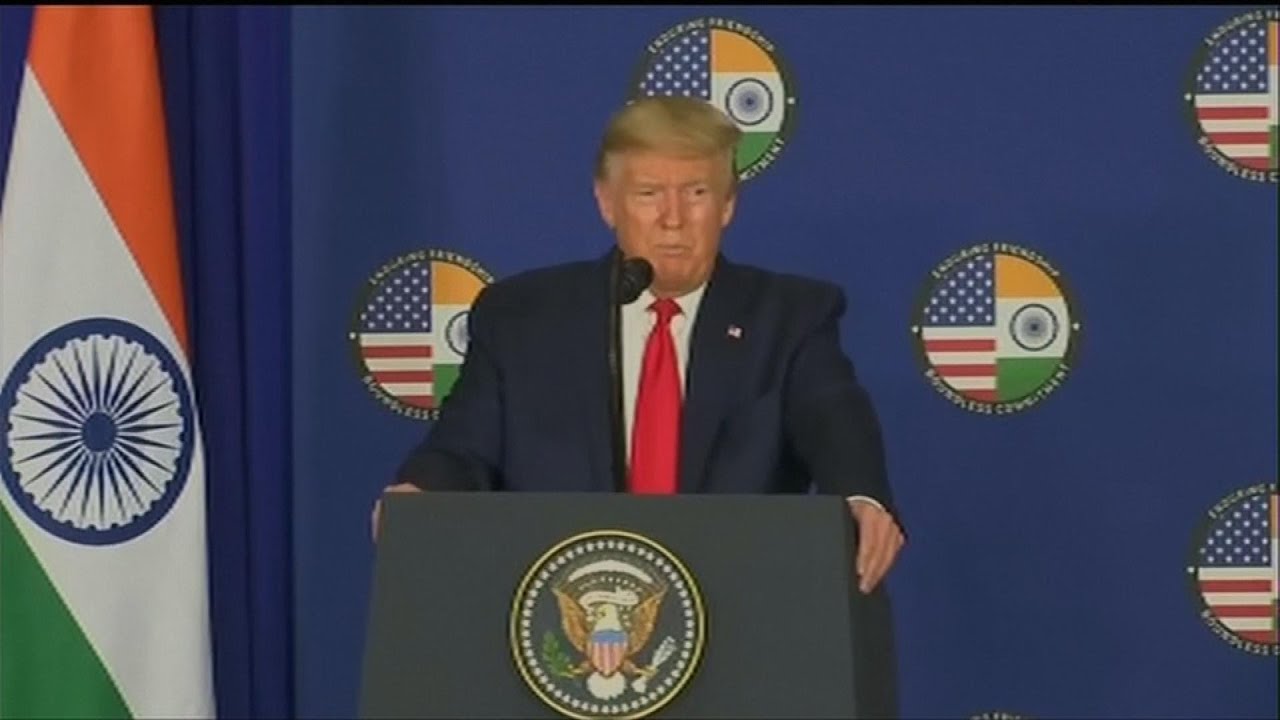
President Trump wrapped up his 36-hour state visit to India on Tuesday, February 25, standing alongside Prime Minister Narendra Modi in New Delhi and insisting a comprehensive trade agreement was close at hand. No such deal materialized. What Trump did walk away with was a fresh helicopter contract, a natural gas partnership for ExxonMobil, and a lot of goodwill theater — all while deadly clashes over a citizenship law tore through a nearby neighborhood of the Indian capital.
- India finalized a defense package worth more than $3 billion for MH-60R Seahawk maritime helicopters and Apache attack helicopters.
- Trump touted a 500 percent surge in U.S. energy exports to India and a new ExxonMobil partnership to expand the country’s natural gas distribution network.
- Violent clashes over India’s Citizenship Amendment Act broke out in northeast New Delhi, killing at least 13 people and injuring more than 150 — unrest neither leader addressed in their joint appearance.
Optimism Without a Signature
CBS News’ Weijia Jiang reported that both leaders used their joint remarks Tuesday morning to project confidence about a trade pact, yet neither offered specifics on tariffs, timelines, or which sectors would be covered. The sticking points that have dogged negotiations for months — U.S. agricultural access, medical device pricing caps, and tariff rollbacks India has resisted — remained exactly where they were before Air Force One landed. Trump called the emerging framework “fantastic” without describing what was actually in it, a pattern that’s defined much of the on-again, off-again U.S.-India trade dialogue since 2019.
The absence of a signed deal wasn’t for lack of pageantry. A day earlier, Trump addressed a crowd exceeding 100,000 people at the Motera cricket stadium in Ahmedabad, praising the “incredible” progress India has made under Modi. It was the kind of spectacle built for television — but it didn’t move the two governments any closer to resolving the roughly $160 billion trade relationship’s thorniest disputes.
The Deals That Did Get Done
Where the trip delivered concrete results was defense and energy. India signed off on more than $3 billion in American military hardware, including MH-60R Seahawk maritime helicopters built for anti-submarine and surface warfare, plus Apache attack helicopters — a deal that deepens a defense relationship the Pentagon has been courting for years as a counterweight to China’s regional presence. Trump separately touted a 500 percent jump in U.S. energy exports to India and announced a new commercial arrangement pairing ExxonMobil with Indian partners to grow the country’s natural gas pipeline network. It’s the kind of trade-adjacent win the administration could point to even without the bigger prize.
India finalized more than $3 billion in helicopter purchases while the broader trade agreement both leaders praised in public still had no agreed terms.
Violence Overshadowing the Handshakes
The diplomacy played out against a grim backdrop just miles from where Trump and Modi spoke. Clashes over India’s Citizenship Amendment Act erupted in northeast New Delhi, leaving at least 13 dead and more than 150 injured — among the deadliest days of unrest the capital has seen in years. Trump and Modi’s initial joint appearance made no mention of it, a silence that drew criticism from voices who argued the administration was prioritizing photo-ops and helicopter contracts over addressing the human cost of the law back home. The tension echoed a familiar split in how this White House has handled foreign controversies, not unlike the balancing act Trump struck when he condemned moves to recognize a Palestinian state at the UN while sidestepping harder questions about the underlying conflict.
Core Issues of Ongoing Trade Disputes
Agriculture and medical devices remain the two issues neither side has cracked. U.S. negotiators want lower Indian tariffs on items like almonds and apples along with looser price caps on medical devices such as stents; India wants relief on steel and aluminum tariffs and continued access for its own exporters. It’s a familiar standoff for a White House that has leaned on tariff leverage in disputes ranging from China to, previously, Hong Kong’s trade status — the same instinct behind Trump’s decision to end preferential trade treatment for Hong Kong. Neither Trump nor Modi committed to a signing date, and officials on both sides described the framework as still being negotiated line by line.
Trump closed out the trip by declaring it “an incredible two days” and thanking Modi for the hospitality, but the paperwork he left India without is the same paperwork he arrived without. The $3 billion helicopter deal is signed and the Exxon gas partnership is real — the trade agreement he kept previewing is still a draft on somebody’s desk, and there’s no date on the calendar for when that changes.

In November 2020 It All Comes Together: Riots, Coronavirus, Covid-19, Trump Biden, Social Unrest
Greyhound to ban immigration checks on buses without warrant
Latest group of Americans released from quarantine amid coronavirus outbreak
52 percent of voters approve of Trump’s economy: poll
President Trump Proposes $500 Million In Checks For Americans