

 InfoSearched
A Norwegian novelist better known for Viking sagas turned his camera on lockdown Europe and didn’t like what he saw.
Bjørn Andreas Bull-Hansen spends most of his channel teaching people how to build fires, tan hides, and survive in the Norwegian wilderness. In late March 2020, with much of Europe and the United States shut inside their homes under emergency orders, he set that content aside to record something different: a direct warning to his audience about what governments were doing in the name of stopping the coronavirus, and what he believes will still be true long after the outbreak fades.
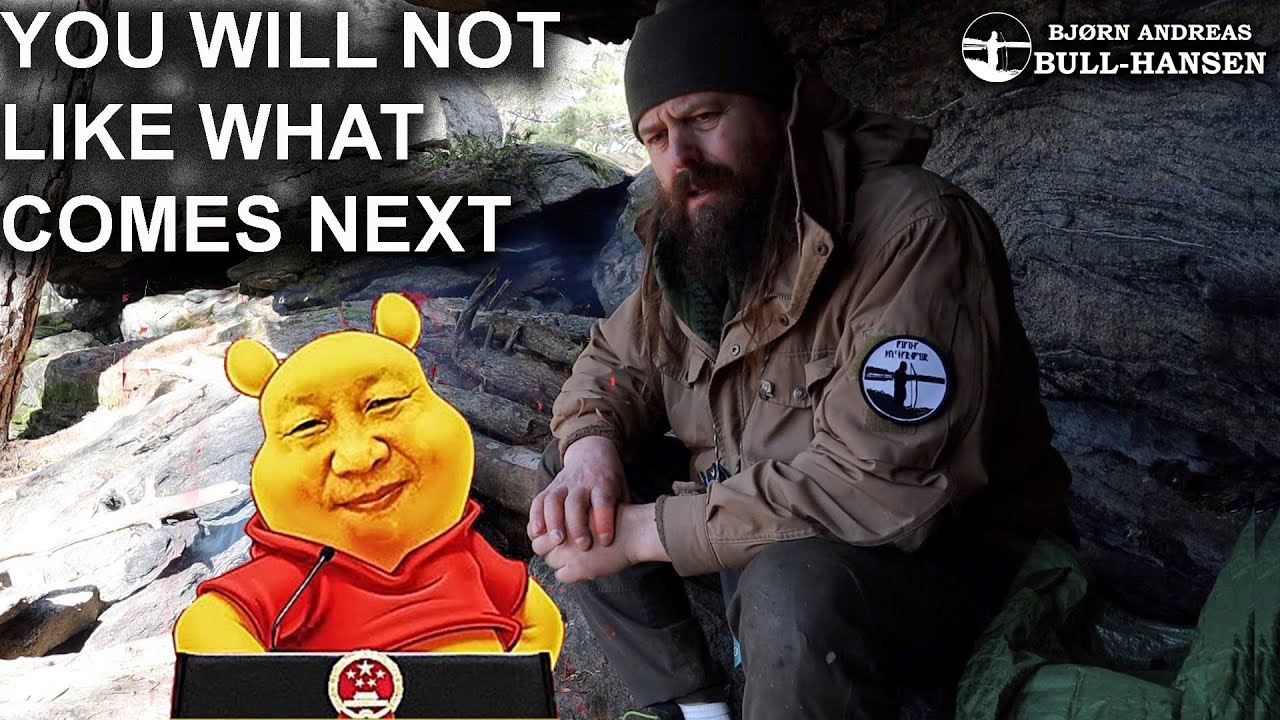
- Bull-Hansen, the Norwegian author of the Jomsviking Viking-era novel series and a longtime bushcraft and outdoor-living YouTuber, published the video in late March 2020 under the title “You Will Not Like What Comes After This – Coronavirus, Covid-19 & Freedom.”
- He walks through government responses across Europe and the United States, focusing on emergency lockdown orders, expanded surveillance powers, and new restrictions on movement and assembly imposed to slow the spread of the virus.
- His central warning is that rights suspended under “temporary” public-health emergency powers rarely get handed back cleanly once the emergency itself has passed.
From Viking Novels to Pandemic Commentary
Bull-Hansen isn’t a political pundit by trade. His audience knows him for the Jomsviking books and for videos on wilderness skills — knife work, shelter-building, fire craft, the practical stuff of self-reliance. That background matters to how he frames the pandemic: not as a partisan fight, but as a question of what happens to ordinary people’s independence when a crisis gives the state a reason to intervene in daily life on a scale nobody had planned for.
That framing is why the video landed differently than a typical news segment. He isn’t arguing the virus is a hoax or that it isn’t dangerous. He’s arguing that the tools governments reach for during a health emergency — curfews, movement restrictions, expanded data access — tend to outlast the emergency that justified them.
Surveying the Lockdown Response
The bulk of the video is a survey of what had already happened by late March 2020: national lockdown orders across much of Europe, stay-home directives spreading state by state in the U.S., and a general acceptance that governments could restrict movement and assembly to manage the outbreak. Bull-Hansen treats these as understandable first moves in a genuine emergency, but flags how quickly the goalposts moved from “flatten the curve for a few weeks” to open-ended restrictions with no clear end date attached.
He’s skeptical, in particular, of the speed at which surveillance and monitoring tools got normalized alongside the health measures — the kind of expanded government reach that, once installed, historically doesn’t get dismantled just because the original justification faded. Readers can find more on how those restrictions kept escalating in the weeks that followed in coverage of states imposing stricter coronavirus restrictions as case counts climbed.
The Warning About What Comes After
The title of the video is also its thesis. Bull-Hansen’s argument isn’t really about the virus at all — it’s about the aftermath. He tells his viewers plainly that the freedoms being suspended right now, under the banner of a temporary emergency, are not the kind of thing that simply gets restored once case counts drop.
You will not like what comes after this.
That line is the whole argument in five words. He points to the models projecting rising death tolls that were driving policy in real time — the kind of forecasting behind coverage like the new coronavirus model predicting a jump in the death toll — as exactly the pressure that pushes officials toward emergency powers with no built-in expiration date. His concern isn’t that leaders are acting in bad faith; it’s that emergency powers, once granted, create their own inertia.
A Skeptic’s Case Against the New Normal
Bull-Hansen closes by urging his audience to stay alert rather than assume things simply snap back once the outbreak recedes. He’s careful not to dismiss the public-health case for short-term measures, but he pushes back hard against the idea that a crisis justifies an open-ended transfer of authority from citizens to the state — a theme he suggests the mainstream press wasn’t pressing hard enough on, echoing complaints laid out elsewhere about what the media was afraid to tell you in the pandemic’s opening weeks.
What makes the video notable isn’t a shocking new fact — it’s the source. A Viking novelist known for teaching people to start fires with flint is telling his audience, in plain language, not to assume the world resets once the lockdowns lift. Whether he’s proven right depends entirely on which of those March 2020 emergency powers get quietly written into permanent law once the immediate crisis is over.


EU court backs Apple in fight over $15 billion tax bill
Coronavirus: China Says 50% of Wuhan Covid-19 Patients Have Recovered
February 3, 2022: NATO, Russia troops, Erdogan, Ukraine, Biden in NYC, Winter Olympics, Mississippi
Jesse on new Hunter Biden scandal: Laptop ‘from hell’ could bring down Biden
EXCLUSIVE: Giuliani reacts to impeachment inquiry after series of hearings