

 InfoSearched
Trump declares a national emergency and turns the Rose Garden into a war room for testing.
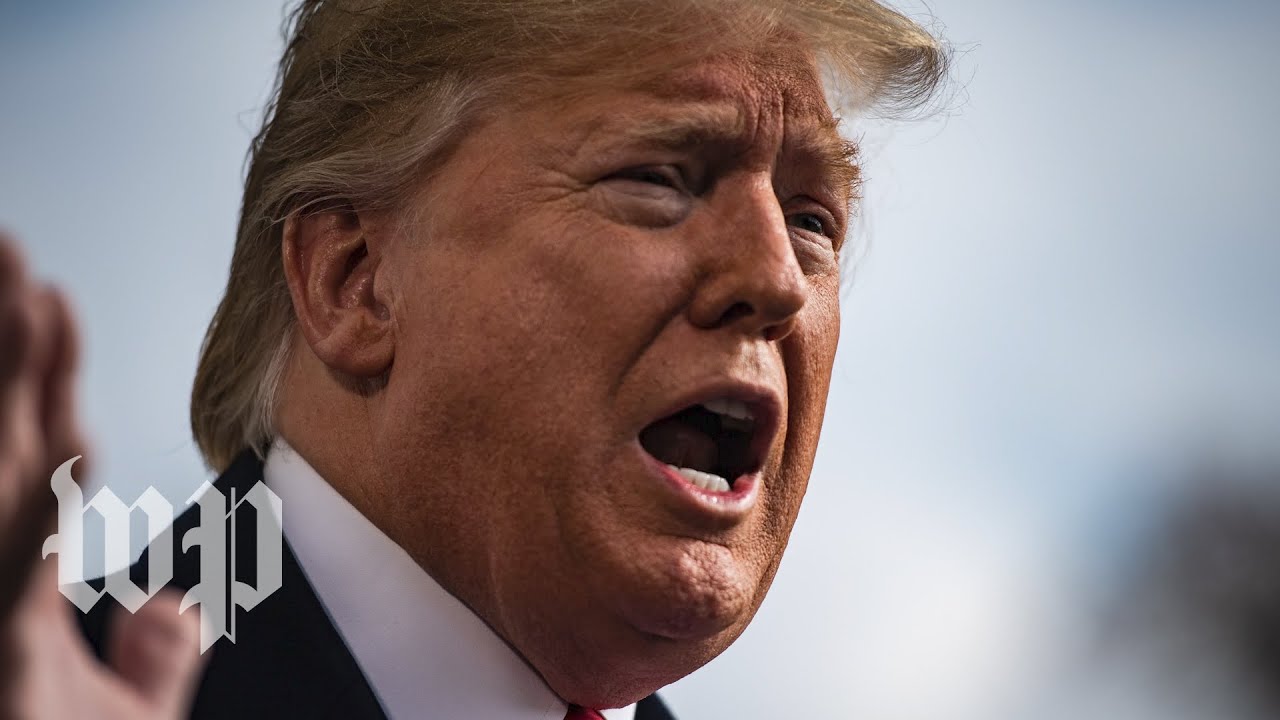
President Trump stood before the White House press corps on Friday afternoon, March 13, and did something no other American president has done in this way: he invoked the National Emergencies Act and the Stafford Act to declare a national emergency over the coronavirus pandemic. Flanked by Vice President Mike Pence, Dr. Anthony Fauci, and Dr. Deborah Birx, Trump framed the declaration as a way to “unleash the full power of the federal government” against a virus that had already upended daily life across the country. The announcement came just two days after his Oval Office address on the European travel restrictions, but this briefing went much further — money, regulatory waivers, and a corporate testing operation all landed at once.
- Trump’s emergency declaration frees up roughly $50 billion in federal funding for states, territories, and local governments fighting the outbreak.
- HHS Secretary Alex Azar was granted broad Section 1135 waiver authority to suspend federal rules on telehealth, hospital bed capacity, and out-of-state medical licensing.
- Executives from Walmart, Target, Walgreens, CVS, LabCorp, and Quest Diagnostics joined Trump to detail drive-through testing sites planned for store parking lots, alongside a Google screening website staffed by roughly 1,700 engineers.
The Emergency Declaration and What It Unlocks
The Stafford Act declaration is the same legal mechanism presidents use after hurricanes and wildfires, and invoking it for a public health crisis is itself a signal of how seriously the administration now viewed the spread of COVID-19. The roughly $50 billion in emergency funding is meant to flow directly to states and localities scrambling to stand up testing, treatment, and emergency response capacity. Azar’s new Section 1135 waivers matter just as much on the ground: hospitals near capacity can exceed normal bed limits, doctors licensed in one state can treat patients in another, and telehealth visits — previously restricted under Medicare rules — become far easier to bill and deliver.
The Testing Push and the Private Sector
The most consequential part of Friday’s briefing wasn’t the legal paperwork — it was the podium full of retail and lab executives. Walmart, Target, Walgreens, and CVS all committed store parking lots to drive-through testing sites, while LabCorp and Quest Diagnostics outlined how they’d process the samples at scale. Trump said Google had approximately 1,700 engineers building a screening website designed to ask users about symptoms and direct them to the nearest testing location, a claim that drew immediate scrutiny from reporters about the site’s actual scope and readiness.
“I don’t take responsibility at all.”
Trump’s Own Exposure and the Testing Question
Reporters pressed Trump on his own health given his recent contact with individuals who had since tested positive; he said he had no symptoms but expected to be tested soon. The sharpest exchange of the afternoon came when a reporter asked about the slow rollout of federal testing capacity in the weeks leading up to the declaration. Trump’s response — “I don’t take responsibility at all” — was followed by him pointing to outdated regulations and systems he said he’d inherited, a defense that set the tone for how the administration would frame the testing shortfall going forward. The moment stood in contrast to the broader briefing, which had leaned on the language of partnership and federal muscle rather than blame.
The declaration landed the same week several states were already tightening their own restrictions, and it came just as the administration’s public messaging shifted from downplaying risk to mobilizing resources at scale. Within days, governors across the country would be citing the new federal emergency authority — and the $50 billion behind it — as they built out their own state-level responses, while the drive-through testing sites promised by Walmart, CVS, and the rest became the next thing everyone was watching to see actually open.

US to turn away asylum seekers, illegal immigrants due to coronavirus: Report
A Video Message of Appreciation on the 2019–20 U.S. News & World Report Best Hospital Rankings
Coronavirus precautions lead to rat problem in New Orleans
Brexit: What happened on Tuesday? – BBC News
Ordinary citizens stand up as politicians cower to the rage mob