

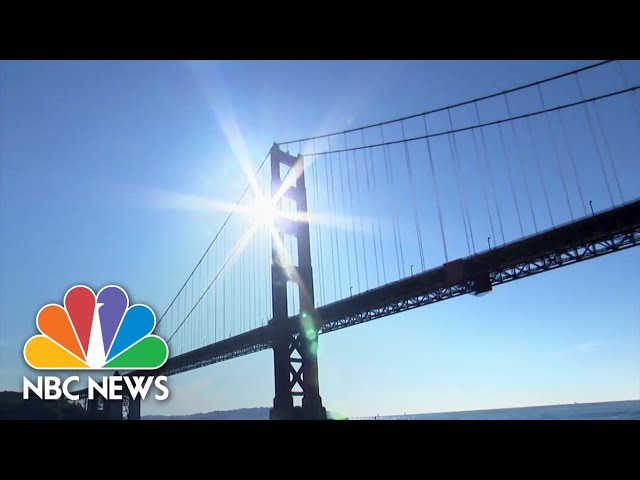
 InfoSearched
Eight days. That’s the gap between San Francisco’s shelter-in-place order and its first COVID-19 death — and it may be the whole story.
While New York City’s hospitals filled and its death toll climbed through late March, San Francisco — a dense, international travel hub that public health experts expected to get hit hard — instead became the outlier everyone wanted to understand. By early April, the city was reporting a fraction of the caseload and fatalities seen elsewhere, and epidemiologists pointed to one thing above all else: timing.
- San Francisco had reported only around 600 to 800 confirmed cases and just nine deaths by April 8, far below the toll in comparably dense U.S. cities.
- Mayor London Breed declared a local state of emergency on February 25 — before San Francisco had confirmed a single case — and warned residents on March 2 to prepare for school closures.
- Six Bay Area health officers issued the nation’s first regional shelter-in-place order on March 16, taking effect March 17, eight days before the city’s first COVID-19 death and just ahead of St. Patrick’s Day gatherings; Governor Gavin Newsom extended a statewide version on March 19.
Moving Before the First Case Landed
Breed’s February 25 emergency declaration looked, at the time, like an overreaction — San Francisco had zero confirmed cases on the books. But the declaration freed up city resources for testing, staffing and supply purchases before any bureaucratic scramble was needed. A week later, on March 2, she went further, telling residents publicly to brace for school closures and disruptions to daily life, a message that got the public psychologically prepared for what was coming.
That head start mattered because COVID-19 spreads exponentially. Dr. George Rutherford of UC San Francisco and Dr. Arthur Reingold of UC Berkeley were among the epidemiologists who pointed to those early days as the difference-maker — not because San Francisco did anything dramatically different from other cities eventually, but because it did it sooner, while case counts were still small enough that early action could actually bend the curve.
The First Regional Shelter-in-Place in the Country
The decisive move came on March 16, when six Bay Area health officers jointly announced a shelter-in-place mandate covering San Francisco and surrounding counties, effective March 17 — the nation’s first regional order of its kind. It landed eight days before the city recorded its first COVID-19 death and just before St. Patrick’s Day, heading off what would have been a natural gathering event for bars and crowds across the city.
Newsom followed with a statewide shelter-in-place order on March 19, but the Bay Area’s head start had already put San Francisco a critical few days ahead of the curve compared to regions that waited for state-level direction. That order echoes the same logic that drove California’s broader lockdown posture in the weeks that followed, as officials across the state weighed how fast to act against how much economic disruption the public would tolerate.
By April 8, San Francisco had recorded just nine coronavirus deaths — while New York City buried its dead at a scale the Bay Area never came close to seeing.
Brief Duration Drives Measurable Impact
Rutherford and Reingold’s explanation wasn’t complicated: viral spread compounds daily, so an order issued March 17 instead of March 24 or later removes several full replication cycles before they ever happen. Fewer infections in mid-March meant fewer hospitalizations in early April, which kept San Francisco’s hospital system from ever approaching the kind of surge capacity crisis that hit other regions grappling with spiking infections that same month.
San Francisco’s numbers — 600 to 800 confirmed cases and nine deaths through April 8 — stood in stark contrast to the toll mounting in New York and other dense metros during the same stretch. The comparison became the centerpiece of national reporting on the city, with health officials framing it less as luck and more as a direct, measurable payoff for acting before the crisis was visible.
A Model Other Regions Were Watching
As California’s own statewide lockdown extended through the spring, San Francisco’s early-mover approach became a reference point for other jurisdictions deciding how aggressively — and how quickly — to intervene. The city hadn’t done anything exotic: no unique treatment, no special testing technology. It simply moved before the case count forced its hand, and public health experts said that sequencing, more than anything else, explains the gap between San Francisco’s numbers and the rest of the country’s.


What could a second wave of coronavirus look like?
Apple Q3 2019 results: iPhone revenue hits 7-year low
President Trump extends coronavirus guidelines until April 30th
Coronavirus deaths rising fast in Europe and US
Florida shatters national record for new coronavirus cases