

 InfoSearched
A sitting president spent his weekend calling a Baltimore congressional district “rat and rodent infested,” and Bernie Sanders wasn’t having it.
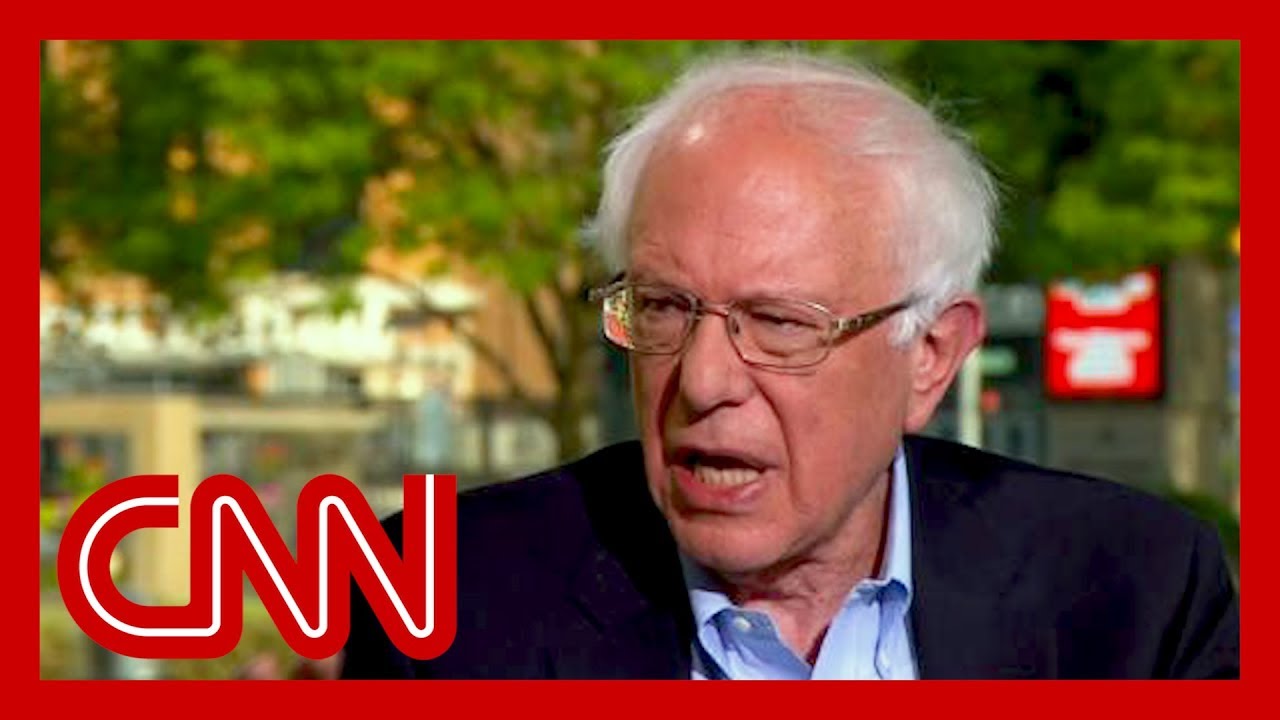
Sen. Bernie Sanders sat down with Jake Tapper on CNN’s “State of the Union” on July 28, 2019, and didn’t mince words about President Trump’s latest Twitter storm. A day earlier, Trump had fired off a series of tweets branding Democratic Rep. Elijah Cummings a “brutal bully” and describing Maryland’s 7th Congressional District — Cummings’ home turf, covering much of Baltimore — as “a disgusting, rat and rodent infested mess” where, in Trump’s words, “no human being would want to live.” Sanders called the attacks “unbelievable,” arguing a president should be fixing broken cities, not insulting the people who live in them.
- Trump’s July 27 tweets called Cummings a “brutal bully” and labeled his Baltimore district “disgusting, rat and rodent infested.”
- Sanders told Jake Tapper it was “unbelievable” that a sitting president would attack American citizens and major cities rather than address urban poverty, crime, and infrastructure.
- The Trump 2020 campaign and conservative commentators responded by resurfacing December 2015 video of Sanders touring Baltimore’s West North Avenue and comparing the neighborhood’s poverty to “a Third World country.”
Origins of the Weekend Feud
The blowup came right on the heels of oversight hearings Cummings had been running scrutinizing conditions at the U.S.–Mexico border — hearings that put Trump’s immigration enforcement squarely in the crosshairs. Trump’s response wasn’t policy pushback; it was personal, targeting Cummings’ district and its “rat and rodent infested” housing stock, and describing the area as unlivable. Cummings, an African American congressman representing a majority-Black district, became the latest target in a string of Trump attacks on Democratic lawmakers of color.
Sanders didn’t dance around the racial undertone. On air with Tapper, he framed the tweets as part of a pattern: a president picking fights with cities and their elected representatives instead of engaging with the actual problems — crumbling infrastructure, concentrated poverty, underfunded housing — that those tweets were nominally describing.
Sanders Draws the Line Between Diagnosis and Insult
The Trump campaign’s counterpunch was swift: video from December 2015, when Sanders toured Baltimore’s West North Avenue corridor and used strikingly similar language, describing the blight there as comparable to conditions in “a Third World country.” Conservative commentators seized on the clip as proof of hypocrisy — Sanders slamming Trump for saying essentially what Sanders himself had said four years earlier.
Sanders and his campaign pushed back on the comparison directly, arguing the two statements weren’t remotely equivalent in intent. Sanders’ 2015 remarks, they said, were part of a broader argument for federal investment in neglected urban communities and economic equity — a diagnosis meant to spur a fix. Trump’s tweets, by contrast, targeted a specific African American lawmaker with derogatory language and offered no policy prescription at all, just insult.
“No human being would want to live” there, Trump wrote of Cummings’ district — the same neighborhoods Sanders had once toured and vowed to fight for.
The Politics of a District Under Siege
The episode landed in the middle of an already crowded 2020 Democratic primary, where candidates including Sanders were laying out competing visions for addressing exactly the kind of urban poverty Trump was mocking. Sanders’ rivals for the nomination were rolling out their own platforms around the same period — Team Biden released its plan for America just weeks into this same news cycle — giving the Baltimore fight an added layer as a proxy for how Democrats wanted to talk about cities Trump had written off.
The border hearings that triggered Trump’s tweets hadn’t gone away either. Cummings’ committee work on conditions facing migrants detained near the southern border remained a live flashpoint, with critics on the right and left arguing over enforcement costs and humanitarian conditions — the same broader fight playing out in reporting on flights for illegal immigrants costing taxpayers $340 million. Trump’s attack on Cummings’ district, in that sense, doubled as an attempt to change the subject from the border scrutiny back onto Baltimore itself.
Sanders’ team made clear he wasn’t backing off the West North Avenue comparison either — he’d stand by the substance of what he said in 2015 about the neighborhood needing investment, even as Trump’s campaign tried to turn his own words into a talking point against him. The fight over who gets to describe Baltimore’s problems, and why, wasn’t going anywhere before the next round of tweets.







2 US soldiers killed in Iraq
AOC’s ‘Green New Deal’ would destroy the economy: Art Laffer
Jersey City Shooting Leaves Officer Shot In Head
Coronavirus Outbreak Worsens In Europe
There’s A Crisis That Is Quietly Creating New Economic Superpowers…