

 InfoSearched
Tucker Carlson finds a new way to lose his mind at San Francisco’s pandemic response.
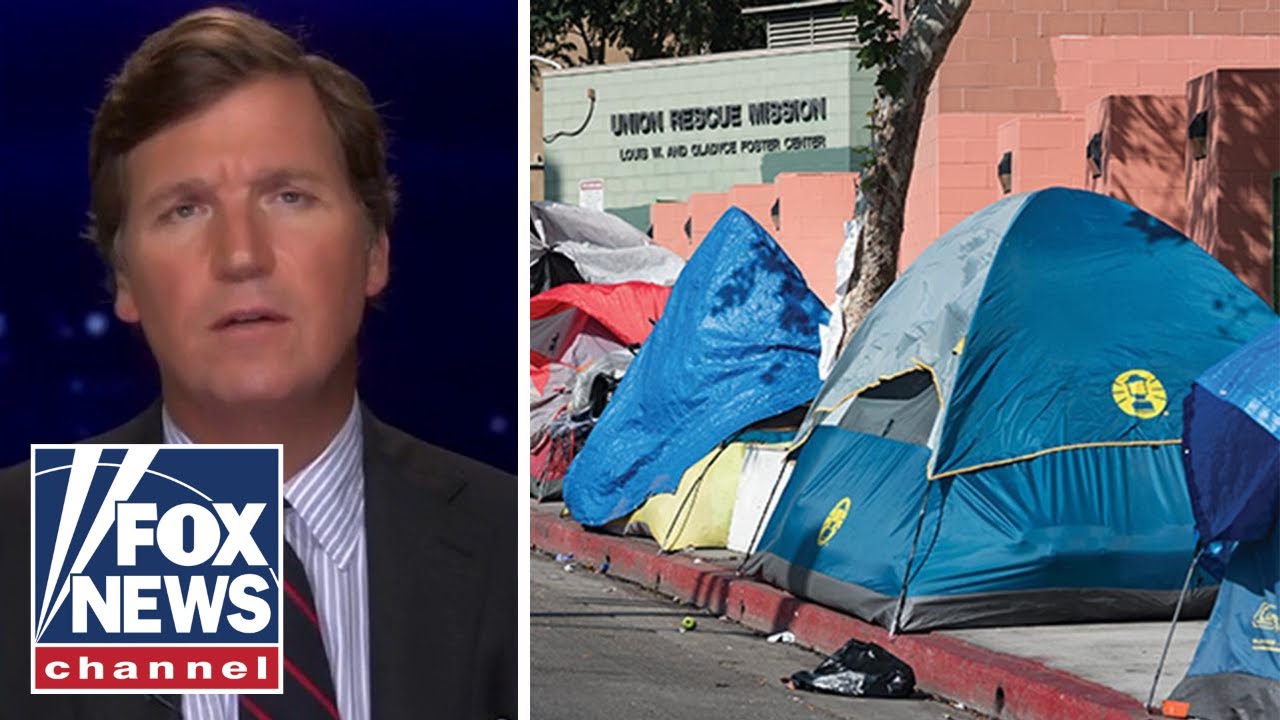
In the first week of May 2020, word spread that the San Francisco Department of Public Health was handing out controlled doses of alcohol, nicotine, and cannabis to homeless people quarantined in city-leased hotel rooms during the COVID-19 outbreak. Tucker Carlson brought the story to his Fox News audience, framing it as liberal governance at its most absurd. Joining him was Joe Alioto Veronese, a former San Francisco police commissioner and one-time district attorney candidate, who argued the city had confused enabling addiction with solving it.
- SFDPH confirmed it was giving quarantined homeless residents in city-leased hotels managed amounts of alcohol, tobacco, and cannabis.
- The agency said the substances were funded by private charitable donations, not taxpayer money.
- SFDPH defended the policy as harm reduction meant to keep people from leaving quarantine and to avoid severe withdrawal cases flooding ERs and ICUs.
The Policy Behind the Headline
San Francisco had leased hotel rooms to isolate homeless residents who tested positive for COVID-19 or were considered high-risk, part of a broader strategy of getting vulnerable people off the street and out of shared shelters. The problem city health officials flagged was straightforward: many of those residents had existing addictions to alcohol, nicotine, or cannabis, and going cold turkey inside a hotel room carried real medical risk. Untreated alcohol withdrawal in particular can trigger seizures and, in severe cases, death.
SFDPH’s answer was a harm-reduction protocol already used in some medical settings — supply small, managed doses of the substance a person is dependent on to keep them stable and, crucially, keep them from walking out of quarantine to go find a drink or a cigarette. The department stressed the doses were controlled, the program wasn’t funded by public tax dollars, and the goal was containing a virus, not indulging a habit.
Carlson’s Case Against the Policy
None of that nuance satisfied Carlson. On air, he treated the story as exhibit A for what he considers California’s habit of dressing up bad policy in public-health language, arguing that dispensing addictive substances to people who are already struggling is not compassion — it’s the government subsidizing self-destruction while calling it care.
Alioto Veronese backed that read, telling Carlson’s audience that giving people alcohol and nicotine does nothing to address the underlying addiction or the homelessness itself. His argument echoed complaints already circulating among local critics of the program: that San Francisco was treating a symptom in a way that looked, from the outside, like the city giving up on treatment altogether.
Enabling a chemical dependency doesn’t solve homelessness or addiction — it just manages the crisis in the moment.
Two Very Different Definitions of Harm Reduction
The clash on Carlson’s show boiled down to a disagreement over what “harm reduction” is actually for. SFDPH’s position was narrow and clinical: keep people quarantined, keep the virus from spreading through shelters and hotels, and keep withdrawal cases from adding to an already strained hospital system. Carlson and Alioto Veronese’s position was broader and more political: that the optics of the government supplying booze and cigarettes to homeless residents undercut any serious claim that California was serious about fixing homelessness or addiction long-term, regardless of who was footing the bill.
That tension isn’t new to California’s homelessness debate, where questions over public spending, private donations, and what cities owe versus enable have played out repeatedly — including in fights over the state’s legal cannabis industry and its own regulatory headaches. The pandemic simply put a new, more urgent spin on an old argument, arriving as the state was already grappling with lockdown measures and the logistics of keeping vulnerable populations isolated.
Carlson didn’t offer San Francisco an alternative on air — he mostly let the details speak for themselves and let Alioto Veronese make the local case against it. Whether the city keeps the program running past the immediate quarantine emergency is the next thing worth watching, since SFDPH built its defense entirely around the pandemic’s specific containment math, not a permanent stance on handing out alcohol and nicotine to people it’s trying to help.





Negative Oil Prices Explained.
US census 2020: Will Trump’s citizenship data order work? – BBC News
Inside the wildfires devastating the Pacific Northwest
Inside Connecticut’s Coronavirus-Only Facility For Nursing Home Residents
Coronavirus: Inside Italy After Country Put On Nationwide Lockdown