

 InfoSearched
Bernie Sanders just turned a 27-point blowout in Nevada into a full-blown coronation as the man to beat for the Democratic nomination.
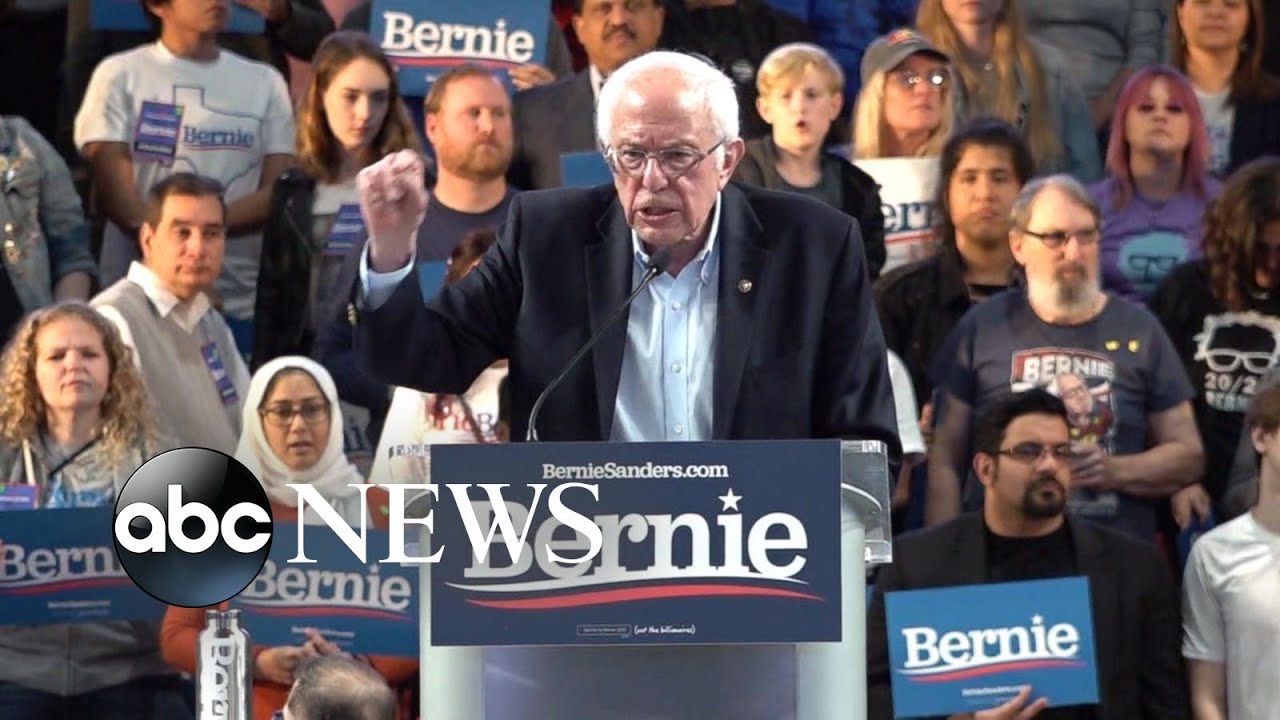
Sanders didn’t even wait for the final tally to post before he was on a plane to Texas, arriving in San Antonio and then Houston to greet crowds that treated the caucus results like a foregone conclusion. The Vermont senator ran up his biggest margin of the young primary season in the first diverse early state on the calendar, and it wasn’t close. Rivals are now scrambling to reframe South Carolina and Super Tuesday as their last real off-ramp before Sanders locks up a delegate lead nobody can catch.
- Sanders won roughly 46.8 percent of the county convention delegate vote in Nevada, beating Joe Biden’s 20 percent by nearly 27 points, with Pete Buttigieg a distant third at about 14 percent ahead of Elizabeth Warren, Tom Steyer and Amy Klobuchar.
- Entrance polling showed Sanders carrying about 53 percent of Latino voters and roughly 66 percent of caucusgoers under 30, cutting into constituencies Biden and Buttigieg had hoped to contest.
- Sanders left Nevada before full results were certified to campaign in San Antonio and Houston, telling supporters his coalition was built to sweep the country against Donald Trump in November.
A Blowout Built on Turnout
Nevada was the first state this cycle with a genuinely diverse electorate, and Sanders didn’t just win it — he ran through it. His nearly 27-point margin over Biden dwarfed anything either campaign produced in Iowa or New Hampshire, and it came with the kind of demographic spread that campaign staffers dream about: strong with Latino voters, strong with union households, and dominant with anyone under 30. That’s the coalition Sanders’ team has been promising reporters for months, and Nevada was the first state where the numbers actually backed it up.
The union piece is the part that should worry the party establishment most. Nevada’s Culinary Workers Union, one of the most powerful labor organizations in early-state politics, had all but campaigned against Sanders’ Medicare for All plan, worried it would strip members of health benefits they’d fought hard to negotiate. Sanders won plenty of their rank and file anyway, a sign his appeal to working-class voters isn’t contingent on union leadership falling in line.
Biden’s Search for a Reset
Biden’s campaign framed a distant second-place finish as a turning point, arguing Nevada breathed life back into a candidacy that limped out of Iowa and New Hampshire with no delegates to show for it. That’s a generous read of 20 percent. Biden is now leaning entirely on South Carolina, where he has long held a polling advantage built on relationships with Black voters that go back decades, to prove he’s still viable before Super Tuesday reshuffles the whole race. Team Biden has already released its plan for America in an effort to give undecided voters something concrete to grab onto before the calendar turns against him.
Establishment Alarm Grows
Back-to-back-to-back results — a virtual tie in Iowa, a win in New Hampshire, and now a rout in Nevada — have Democratic insiders openly discussing scenarios they weren’t taking seriously a month ago. Party figures who spent 2019 dismissing Sanders as a factional candidate are now doing math on delegate thresholds and brokered-convention rules. That anxiety has bubbled up in public before: Barack Obama himself offered a stark warning to Democrats about the primary’s direction while standing next to Biden at a joint fundraiser, a moment that reads very differently after Nevada than it did when he said it.
Sanders carried about 53 percent of Latino voters and roughly 66 percent of caucusgoers under 30 — the exact coalition his campaign spent a year promising it could build.
The Message from the Stage
Sanders didn’t hedge in Texas. Standing before a packed crowd celebrating a win that hadn’t technically been finalized, he told supporters his campaign had assembled a multigenerational, multiracial movement he believes can sweep the country and beat Trump in November. It’s the same closing argument he’s made since 2016, but Nevada gave him actual receipts to back it up for the first time this cycle.
South Carolina votes next, then Super Tuesday puts fourteen states and nearly a third of all pledged delegates on the table at once. Biden needs a decisive South Carolina win just to keep his campaign’s argument intact, while Sanders is already spending his Nevada momentum in Texas, one of the biggest Super Tuesday prizes on the map.







Fed cuts rates, signaling what’s going on in the global economy
New, more contagious coronavirus strain discovered by researchers
Coronavirus: When your child’s in intensive care with Covid-19
Cattle Rancher Warns About the Meat You’re Buying
13 year old girl dies as Coronavirus outbreaks rage in US with over 136K deaths