

 InfoSearched
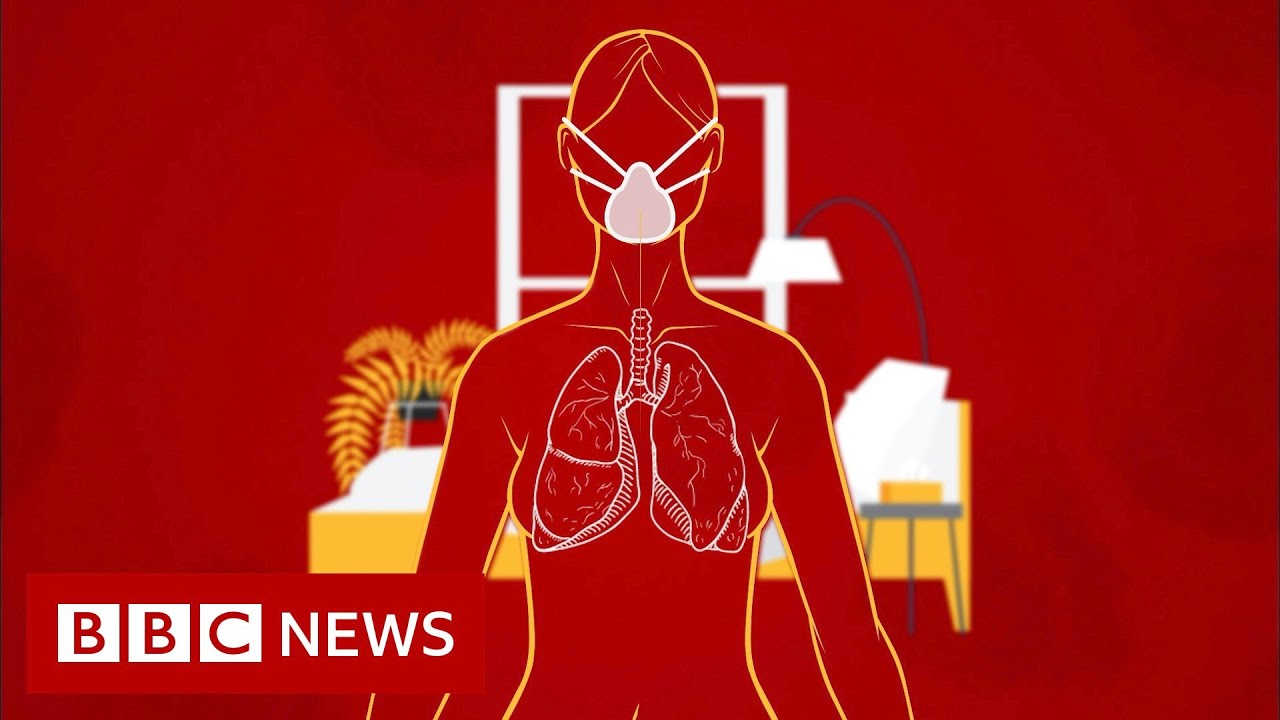
Recovery from Covid-19 can take anywhere from a week to a year and a half, depending on how hard the virus hits.
More than 1.1 million people worldwide had officially recovered from Covid-19 by early May, according to figures cited by BBC News, but that headline number hides a huge range of outcomes. A patient with a mild cough and fever might be back on their feet within a fortnight. Someone who ends up on a ventilator in intensive care could be looking at 12 to 18 months before they’re anywhere close to normal.
- WHO analysis of Chinese patient data found the vast majority of Covid-19 cases are mild — mainly cough and fever, sometimes with aches, headache or a sore throat — and clear up in one to two weeks with rest and fluids at home.
- More serious cases often worsen around day seven to ten, developing breathing difficulties, severe inflammation and pneumonia that require hospital oxygen therapy, with recovery typically taking two to six weeks.
- Critical patients needing intensive care and mechanical ventilation face a recovery timeline of 12 to 18 months, with severe muscle wasting, physical weakness and psychological effects like post-traumatic stress from prolonged immobilization.
The Mild Cases: A Week or Two on the Sofa
For the majority of people who catch the virus, the illness plays out roughly the way a bad flu would. Cough and fever are the dominant symptoms, sometimes joined by aches, a headache or a sore throat. According to the WHO’s review of patient data out of China, that group typically feels better within one to two weeks, and bed rest plus fluids at home is enough — no hospital, no oxygen, no drama.
That’s the reassuring end of the spectrum, and it covers most confirmed infections. But BBC News reported that the picture changes sharply for a smaller share of patients whose symptoms don’t plateau after the first few days — they escalate instead.
Recovery Progress Days Seven Through Ten
Clinicians tracking severe cases point to a consistent pattern: patients who are going to get seriously ill tend to take a turn roughly a week to ten days in. Breathing becomes difficult, inflammation intensifies, and pneumonia sets in — the point at which hospital oxygen therapy becomes necessary rather than optional.
Recovery from that stage runs two to six weeks, and even after discharge, fatigue and shortness of breath can linger well beyond the hospital stay. It’s a reminder that clearing the acute infection isn’t the same as being fully well again — the post-viral tail can drag on for months.
For patients who end up in intensive care on a ventilator, full recovery can take 12 to 18 months.
Intensive Care and the Long Road Back
The most severe cases are the ones that reset expectations entirely. Patients who require intensive care and mechanical ventilation face a recovery arc measured in months, not weeks — often 12 to 18 months before they’re back to their pre-illness baseline. Weeks of immobilization in an ICU bed produces serious muscle wasting and physical weakness, and the psychological toll — including symptoms consistent with post-traumatic stress — can be just as significant as the physical rehabilitation.
That combination of physical deconditioning and mental strain is why hospitals treating the most critical Covid-19 patients have had to think about rehabilitation as a long-term project, not a discharge checklist. Alongside the case counts and hospitalization figures that have driven rising projections for the death toll, the recovery timeline for survivors has become its own part of the story.
Effective Methods for Patient Recovery
Medics at the Centre for Perioperative Care have been direct about what improves a patient’s odds of a smoother, faster recovery: quitting smoking, cutting back on alcohol, exercising regularly and maintaining a healthy weight. None of it prevents infection, but it builds the kind of baseline fitness that helps the body absorb the stress of a serious respiratory illness — and that matters for the general public taking precautions too, from mask-wearing guidance issued after officials tested positive to the basic hygiene measures public health officials have repeated for months. The advice sits alongside broader workplace precautions, including steps taken after the White House directed staff to wear masks once officials there contracted the virus.
Clinicians are also careful to separate “recovered” from “back to normal.” Post-viral fatigue and lung scarring can persist well after someone has cleared the infection and left hospital, which is part of why doctors are still cautious about declaring any Covid-19 patient fully in the clear the moment their test comes back negative.







China Steps Up Taiwan Drills: Day Two
Coronavirus: Inside Italy After Country Put On Nationwide Lockdown
US News & World Report: 2018 Best Private Universities
Pope calls for healing over Canada school discovery
WATCH: Trump holds news conference on the coronavirus