

 InfoSearched
U.S. grocery bills just posted their biggest one-month jump since the Ford administration.
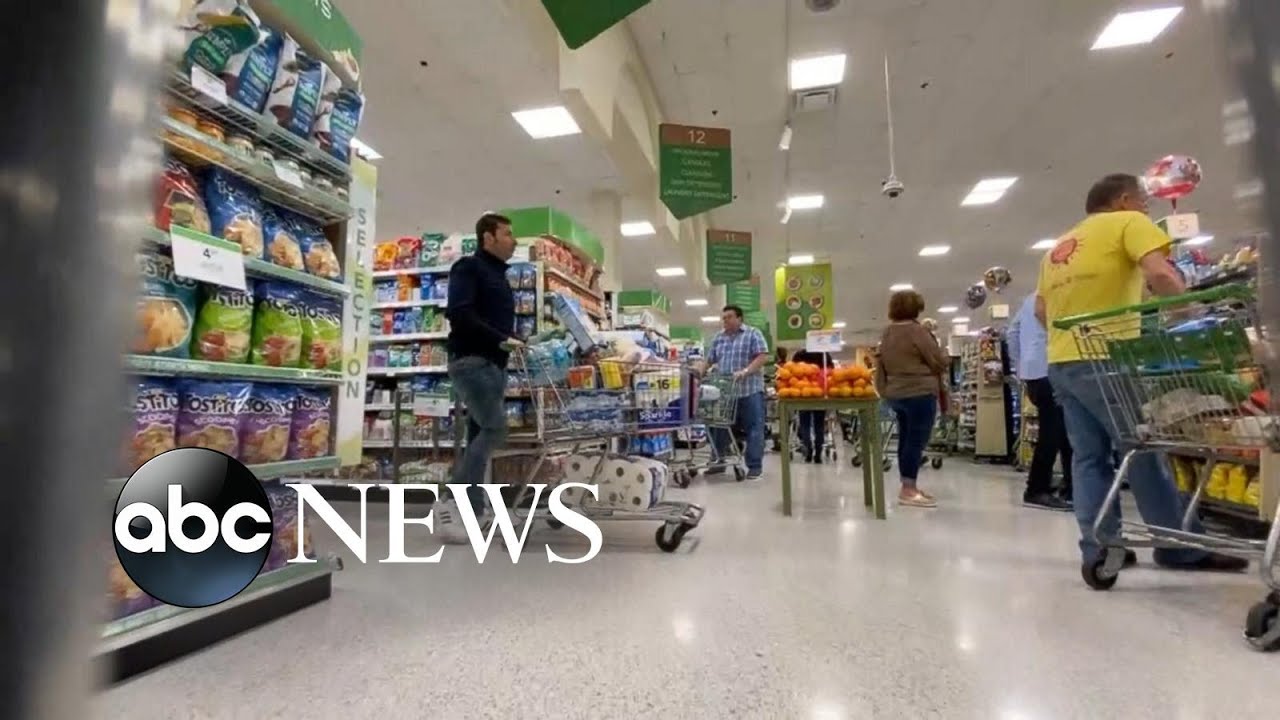
The latest Consumer Price Index numbers from the Bureau of Labor Statistics show grocery prices rose 2.6% in April 2020, the sharpest single-month increase since February 1974. The spike touched nearly every aisle in the supermarket, from eggs to canned tuna, as the pandemic scrambled both what Americans buy and how much it costs to get it onto shelves. ABC News broke down the numbers and talked to the people running supermarkets and supply chains to explain why.
- Grocery prices climbed 2.6% in April 2020 — the largest one-month increase since February 1974, a 46-year high.
- Meat, poultry, fish and eggs jumped 4.3% overall, with the egg index alone up 16.1%; fruits and vegetables rose 1.5%.
- Supermarkets saw average sales spikes exceeding 25% as stay-at-home orders shifted spending from restaurants to home cooking, according to Syracuse University supply chain professor Patrick Penfield.
The Numbers Behind the Spike
The BLS’s April CPI summary showed the grocery category, formally known as “food at home,” posting its biggest monthly gain since the Nixon-era inflation of the 1970s. Within that basket, meat, poultry, fish and eggs led the charge at 4.3%, and eggs alone spiked 16.1% in a single month. Milk, cereal and canned tuna all posted noticeable increases as well, while fruits and vegetables rose a comparatively modest 1.5%.
Those figures landed at a moment when tens of millions of households were suddenly eating three meals a day at home instead of splitting spending between restaurants and supermarkets. That demand shock hit a food system that wasn’t built to absorb it overnight.
Rising Trends in Home Cooking
Patrick Penfield, a professor of supply chain management at Syracuse University, told ABC News that stay-at-home orders drove a mass migration away from restaurant dining toward home cooking, and supermarkets felt it immediately — average sales spikes topped 25% as grocery stores absorbed demand that would normally have gone to restaurants, cafeterias and takeout counters.
That surge in foot traffic and cart size collided with grocers already trying to keep shelves stocked and stores sanitized, a combination that pushed retail prices upward across nearly every category rather than just the ones tied directly to supply shortages.
The Supply Chain Under Strain
The Food Industry Association pushed back on any suggestion that retailers were pocketing windfall profits from the higher prices. Instead, the trade group pointed to added costs for labor, heightened cleaning and sanitation protocols, reduced output at processing plants, and transportation bottlenecks as the real drivers behind the increases.
Stew Leonard Jr., CEO of the Stew Leonard’s supermarket chain, described the moment bluntly to ABC News.
“A very unusual time in the food market.”
Leonard pointed specifically to the “re-engineering of the workplace” happening inside meatpacking and processing plants — new spacing, new shifts, new sanitation rules — as a direct contributor to both the shortages consumers were seeing and the rising costs they were paying at checkout.
Impact of Inflation on Retail
For households already navigating layoffs and stalled paychecks, a 2.6% jump in a single month is the kind of number that shows up fast in a weekly grocery bill, particularly in a category like eggs where prices moved more than 16% almost overnight. It’s one more line item in a broader financial squeeze that also pushed lawmakers to debate a second round of relief checks for struggling families.
The pressure on food processing plants that Leonard described wasn’t limited to grocery shelves — it was part of the same operational strain rippling through the broader economy as businesses reworked how they operated under pandemic conditions.
The BLS’s next monthly CPI release will show whether April’s egg and meat spikes were a one-month shock tied to processing-plant slowdowns or the start of a longer run — and with talk already circulating in Washington about a follow-up relief package, covered in the ongoing stimulus debate, grocery costs are likely to stay part of that conversation through the summer.






Fauci calls White House attacks on him ‘bizarre’
President Trump says reopening the country will be the “biggest decision” he’s ever made
Multiple White House staff members test positive for coronavirus
COVID-19 – An Easy Way to Know You DON’T HAVE IT!
Frustration At Lack Of Coronavirus Testing And Slow Results Continues