

 InfoSearched
Markets cratered, the Oval Office lit up, and Trump reached for the tax code to stop the bleeding.
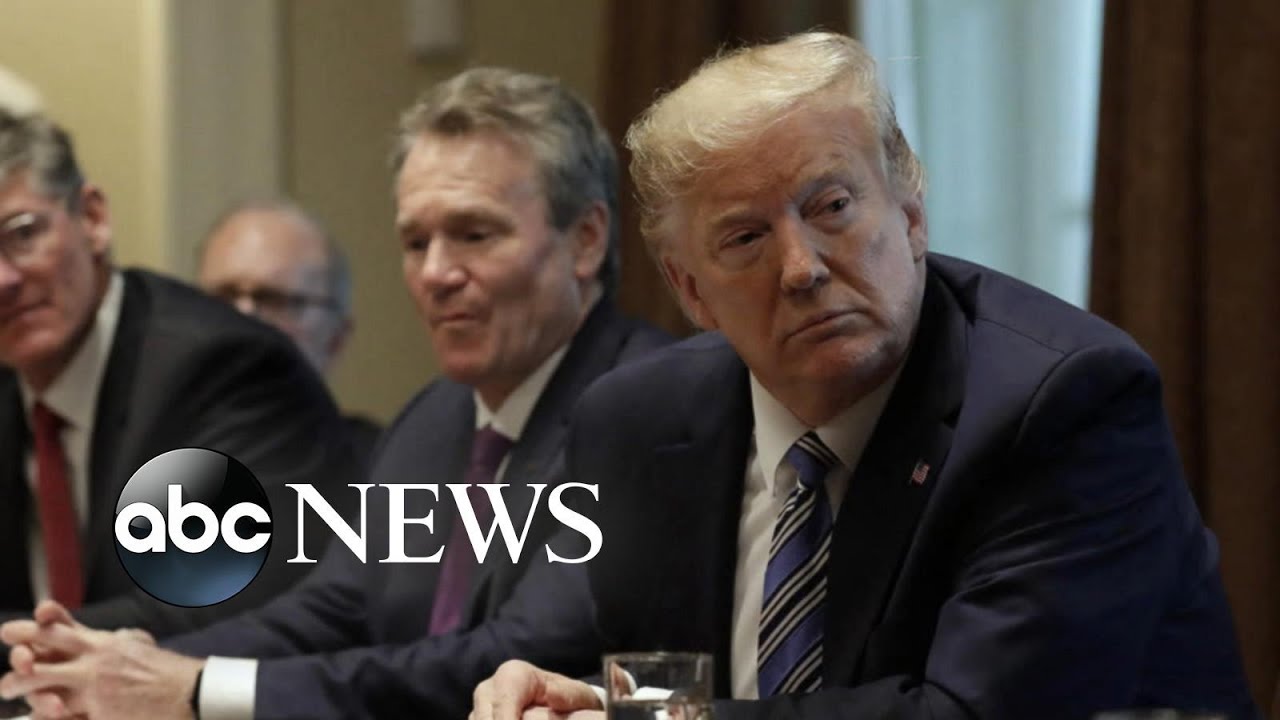
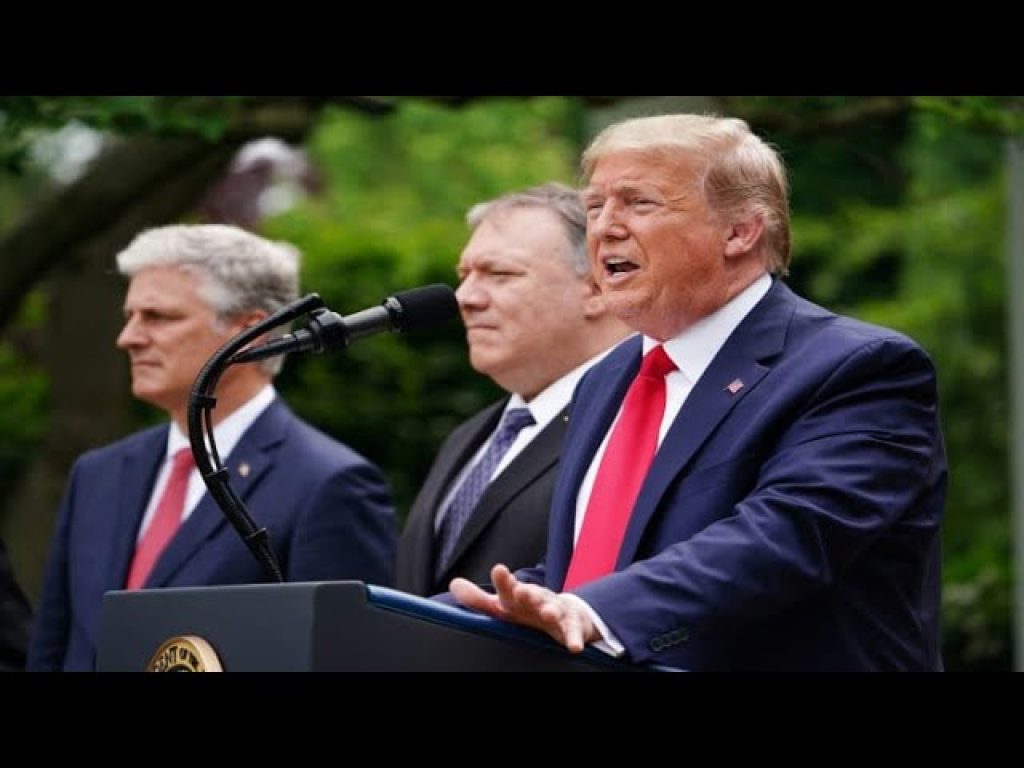
Two days after U.S. stocks posted their worst single-day drop since the 2008 financial crisis, President Trump stood behind a White House podium on March 9, 2020, and pitched a payroll tax cut through the end of the year. By the evening of March 11, he was delivering a rare primetime address from the Oval Office, laying out federal loans, deferred tax deadlines, and a direct appeal to Congress to move fast before the coronavirus shock turned into something worse.
- Following the March 9 stock plunge, Trump proposed a payroll tax cut through the end of the year and targeted financial assistance for hourly wage workers who risk missing paychecks under quarantine.
- In his March 11 Oval Office address, Trump directed the Small Business Administration to provide roughly $50 billion in low-interest disaster loans to small firms hit by revenue shortfalls.
- He also ordered the Treasury Department to let individuals and businesses affected by the virus defer tax payments past the April 15 deadline without penalties or interest.
The March 9 Pitch
The trigger was a brutal Monday on Wall Street, with the Dow, S&P 500 and Nasdaq all tumbling as oil prices collapsed and coronavirus case counts climbed. Trump used a same-day White House briefing to argue the economy needed a jolt of liquidity, not a bailout, and he zeroed in on the payroll tax as his preferred tool — a cut that would run through the remainder of 2020 and put money directly into paychecks.
He paired that with a pledge to help hourly workers specifically, the group most exposed if forced into quarantine with no sick leave to fall back on. Behind the scenes, Trump said he was in regular contact with Treasury Secretary Steven Mnuchin and had been talking with executives from the airline, cruise and hospitality industries about federal backstops and low-interest loans for sectors already seeing bookings evaporate.
The Oval Office Address
Two nights later, Trump took the unusual step of addressing the nation live from the Oval Office, a format his White House had reserved for moments it wanted treated as genuinely urgent. He announced that the SBA would begin offering low-interest disaster loans meant to inject an estimated $50 billion in capital and liquidity to small businesses struggling with the sudden drop in revenue.
He also directed Treasury to let affected individuals and businesses push their tax payments past the April 15 deadline without accruing penalties or interest — a deferral aimed at freeing up cash for companies and households without forcing them through a formal relief application. Trump framed both moves as bridge measures, designed to get money moving while Congress worked on something bigger.
This is not a financial crisis. This is just a temporary moment of time that we’re going through.
Pressure Back on Congress
Trump used the same address to renew his call for lawmakers to pass the payroll tax relief he’d floated on March 9, and to add emergency measures guaranteeing sick pay and financial support for workers who got sick or were quarantined. The ask put pressure squarely on Capitol Hill just as debate was heating up over what a broader relief package should look like — a fight that would carry into the push for a full stimulus package in the weeks that followed.
The administration’s framing throughout was consistent: this was a liquidity problem tied to a temporary disruption, not a repeat of 2008. Whether that read held up depended heavily on how far the outbreak spread and how many states followed the lead of local governments already weighing stricter coronavirus restrictions that could shut down commerce far beyond travel and hospitality.
Trump’s next move was already lined up — pressing Senate Republicans and House Democrats to actually write and pass the payroll tax cut he’d been talking about for two straight news cycles, with Mnuchin dispatched to Capitol Hill to hash out the numbers directly with Speaker Nancy Pelosi and Senate Majority Leader Mitch McConnell.




President Trump addressed the nation after Iran strikes at U.S. troops in Iraq
February 3, 2022: NATO, Russia troops, Erdogan, Ukraine, Biden in NYC, Winter Olympics, Mississippi
Why is this a ‘critical moment’ for the US and Russia over Ukraine? – BBC News
Pope calls for healing over Canada school discovery