

 InfoSearched
A cruise-ship day trip to an active volcano turned into New Zealand’s deadliest disaster in years.
Whakaari / White Island, a steaming, sulfur-crusted cone 30 miles off the Bay of Plenty coast, erupted without warning on Monday afternoon while 47 tourists and guides walked its crater floor. Within hours, New Zealand Police confirmed at least five people dead, with dozens more injured or unaccounted for. The blast has reignited a hard question that scientists had already been asking privately for weeks: why were commercial tours still running to a volcano that GeoNet had flagged as increasingly restless.
- The eruption struck at approximately 2:11 p.m. local time (01:11 UTC) Monday, December 9, sending ash, rock, and toxic steam roughly 12,000 feet into the sky.
- Of the 47 people on the island at the time — cruise-ship visitors from Australia, the United States, New Zealand, Germany, and the United Kingdom — at least five were confirmed dead, with dozens injured or missing.
- GeoNet had raised the volcanic alert to Level 2 in the weeks before the eruption due to heightened seismic activity, yet White Island Tours and other operators continued running excursions onto the crater.
Chronology of the Volcanic Eruption
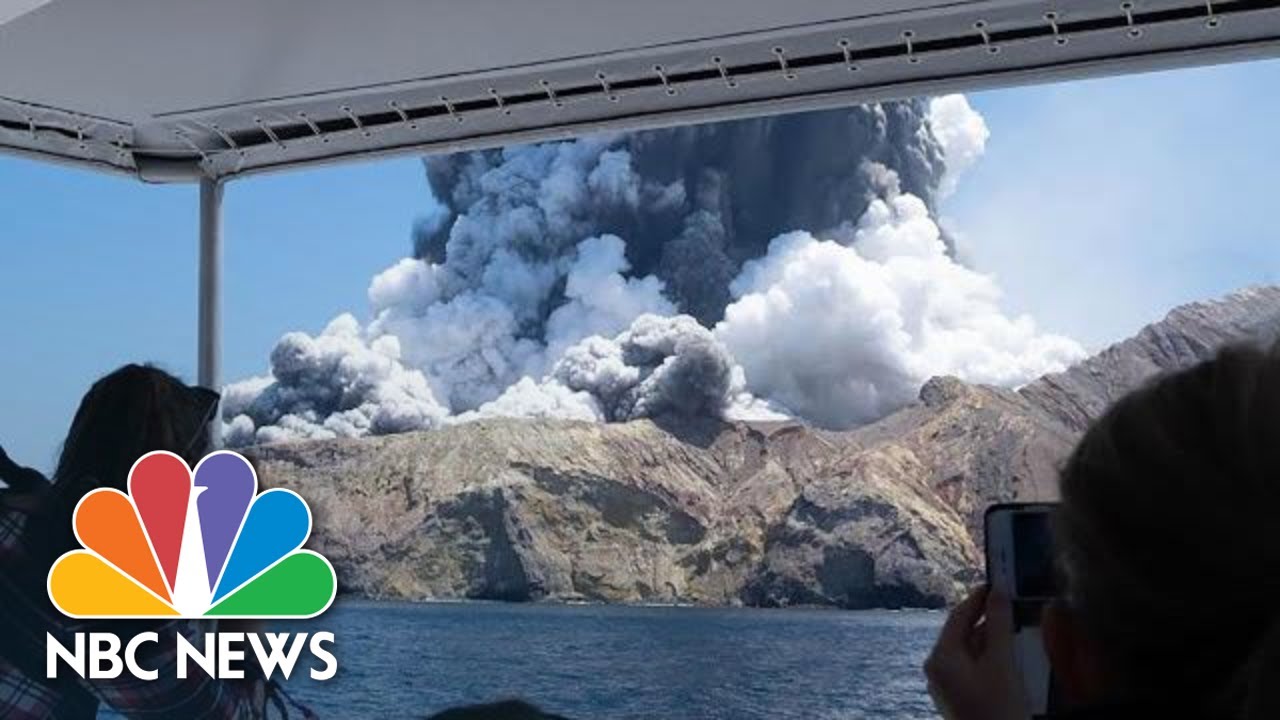
White Island Tours’ boats had ferried the group ashore that morning like any other day trip — a walk past bubbling mud pools, the main crater lake, and vents hissing sulfur dioxide, all part of the island’s draw as New Zealand’s most accessible active volcano. At 2:11 p.m., the vent let go without the kind of precursor tremor that typically buys evacuation time. Witnesses on nearby boats described a column of ash and superheated gas rising over two miles into the air within minutes, blanketing the crater floor where the tour groups had been standing.
Cellphone video captured by tourists on the island showed the ash cloud swallowing the landscape almost instantly, turning what had been a scenic walking tour into a scramble for the boats.
A Rescue Effort Cut Short
Local commercial helicopter pilots and first responders reached the island first, pulling more than 30 people off White Island despite the danger of a follow-up blast. Most of those evacuated were suffering critical, extensive burns and respiratory damage from the superheated gases and ash — injuries severe enough that many were flown directly to burn units rather than local hospitals. But the same volcanic instability that caused the eruption made continued ground operations untenable.
New Zealand Police announced that reconnaissance flights over the crater found no signs of life among those left behind, and that toxic gas emissions and the risk of a secondary eruption forced emergency teams to suspend further ground rescues. Deputy Commissioner John Tims addressed the grim calculus facing responders directly.
“Nobody back in New Zealand can predict when or if an eruption will occur.”
Questions Over Tourist Access
White Island is New Zealand’s most active cone volcano, and its otherworldly, moonscape-like crater has made it a signature stop for cruise itineraries through the Bay of Plenty for years. That commercial appeal is now colliding with the fact that GeoNet scientists had already lifted the alert level to 2 in the weeks preceding Monday’s blast, citing heightened seismic unrest. Operators like White Island Tours kept running trips regardless, and survivors and families are now asking pointedly why a site under an elevated volcanic warning was still open to walking tours of international visitors from Australia, the U.S., Germany, and the U.K.
Prime Minister Jacinda Ardern called the eruption a “devastating and thoroughly unexpected event” and offered condolences to the families of the dead and injured, even as her government faces mounting scrutiny over the tourism industry’s access to an active hazard zone. That scrutiny echoes the same debate that follows other natural disasters covered in stories like the wildfires devastating the Pacific Northwest, where the balance between public access and known risk keeps resurfacing after the fact rather than before it.
Future Implications and Recovery Efforts
With ground rescues suspended and reconnaissance flights turning up no survivors among those left on the crater floor, New Zealand authorities are now shifting from rescue to recovery, working out how and when it will be safe enough to retrieve the remaining victims. Investigators will also have to reconstruct exactly what GeoNet’s Level 2 alert meant in practice for tour operators still running boats to the island that morning — a question likely to shape how New Zealand regulates access to Whakaari, and to other high-risk sites, long after this week’s headlines fade.






Tank launched into air by chemical factory blast – BBC News
Hong Kong LegCo Member Ho: There’s No Attempt by China to Heal the Rift
Trump says Democrats would lead U.S. into “economic sinkhole”
Team Biden releases its plan for America
Protesters in Moscow, volcano eruption and taekwondo match: World in Photos, July 29