

 InfoSearched
Poland’s presidential race has turned into a referendum on whether gay and lesbian citizens get to exist without hostility from their own local governments.
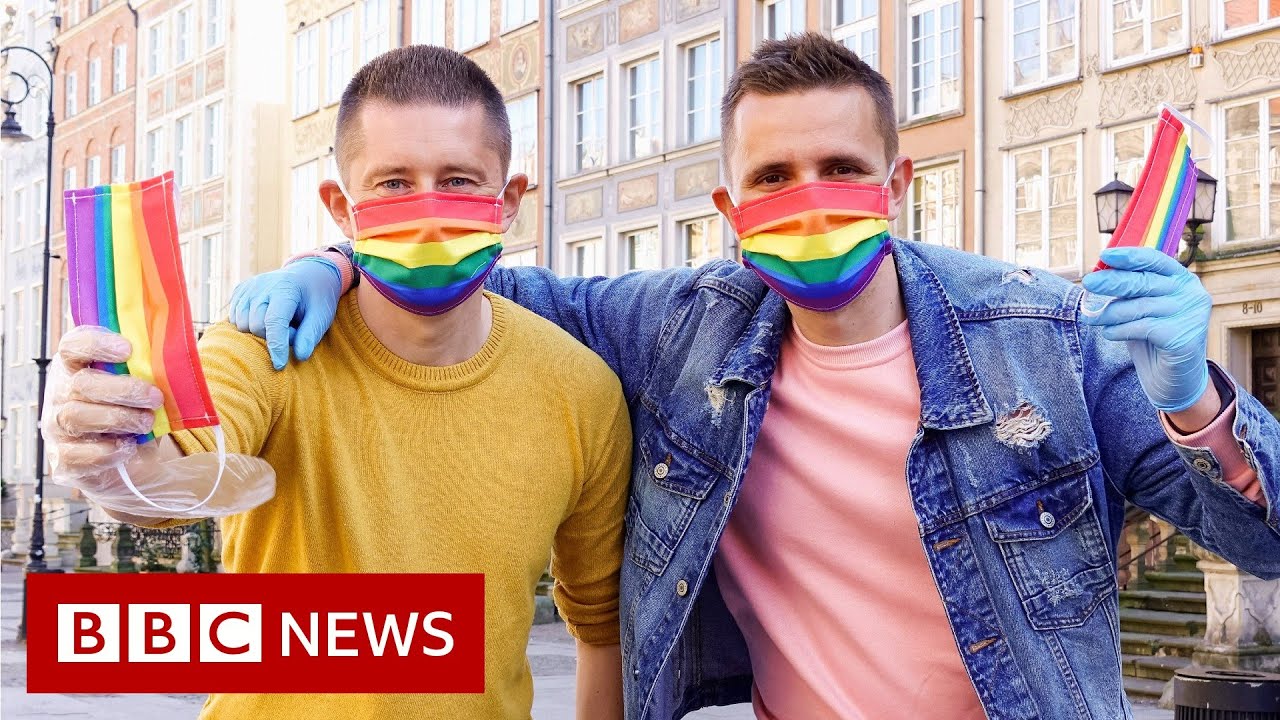
Ahead of Poland’s presidential run-off, BBC News LGBT correspondent Ben Hunte traveled through the country’s so-called “LGBT-free zones” to document what daily life actually looks like inside them. His reporting lands as incumbent President Andrzej Duda, backed by the ruling Law and Justice (PiS) party, has made opposition to “LGBT ideology” a centerpiece of his re-election campaign against Warsaw mayor Rafał Trzaskowski.
- Duda signed an anti-LGBT “Family Charter,” pledging to block same-sex marriage and adoption and to ban LGBT education in schools.
- Roughly 100 Polish municipalities and regional authorities — covering about a third of the country, concentrated in conservative rural and southeastern regions — have passed resolutions declaring themselves free from “LGBT ideology.”
- The presidential run-off between Duda and Trzaskowski is scheduled for July 12, with EU officials warning of possible funding cuts for towns enforcing the discriminatory zones.
The Family Charter and Campaign Rhetoric
Duda’s re-election bid has leaned heavily on cultural grievance politics. He signed the Family Charter committing to keep same-sex couples from marrying or adopting children and to prohibit what he calls “LGBT ideology” from entering Polish classrooms. On the campaign trail, he went further, telling supporters that this “ideology” is more destructive to Poland than communism — a line aimed squarely at older, rural, and church-going voters who form the backbone of PiS support.
That rhetoric hasn’t stayed confined to speeches. It has translated directly into local governance, with conservative politicians and Catholic clergy citing Warsaw’s tolerance push as the trigger for a nationwide backlash.
Inside the ‘LGBT-Free’ Zones
Hunte’s reporting took him into the municipalities and regional authorities — nearly 100 of them, by mid-2020 — that have formally adopted resolutions declaring themselves free of “LGBT ideology” or endorsing so-called traditional family charters. These zones sit predominantly in Poland’s conservative rural south and east, and together account for roughly a third of the country’s territory.
Inside them, Hunte found gay and lesbian residents describing a climate of social ostracization and creeping state-sanctioned marginalization — not necessarily new laws criminalizing them outright, but a local political environment that makes them feel unwelcome in their own towns, with harassment and isolation becoming part of daily life.
Duda has called “LGBT ideology” more destructive to Poland than communism.
Warsaw’s Countermove and the EU’s Warning
The zones didn’t emerge in a vacuum. Trzaskowski, as mayor of Warsaw, had previously signed an LGBT rights declaration for the capital advocating tolerance and civil unions — a move conservative politicians and the Catholic Church seized on to justify pushing anti-LGBT resolutions across the rest of the country. The result is a nation now split almost geographically along this fault line, with Warsaw’s liberal declaration on one side and roughly a third of Poland’s municipalities on the other.
European Union officials have taken notice. They’ve warned that towns declaring themselves discriminatory zones could face cuts to EU funding, raising the financial stakes for local authorities that have signed on to the resolutions. LGBT activists and community members interviewed by Hunte described a chilling atmosphere of fear and division that has only intensified as the presidential campaign has escalated.
The July 12 Stakes
The run-off between Duda and Trzaskowski, set for July 12, has effectively become a national vote on which direction this fight goes next. A Duda win keeps the Family Charter and the anti-LGBT rhetoric at the top of national politics; a Trzaskowski win would put Poland’s most prominent LGBT-rights advocate in the presidency, directly opposed to the resolutions spreading through the countryside he’d now nominally represent.
How this plays out matters well beyond Poland’s borders, feeding into wider tensions between Warsaw and Brussels — the same kind of EU friction that has shown up in other disputes over rule-of-law and funding covered in world news this year.
Polling ahead of the run-off has shown a tight race, and both camps know it. Duda needs the rural and southeastern strongholds that passed the “LGBT-free” resolutions to turn out hard on July 12, while Trzaskowski is banking on Warsaw and Poland’s larger cities to offset them — the same urban-rural split that’s defined politics across much of Central Europe in recent years. Whichever way it breaks, the zones Hunte visited aren’t going anywhere the day after the vote.
U.S. military official: Iran tested medium-range ballistic missile
Judge orders release of documents in Ghislaine Maxwell case
A New York Covid-19 Survivor Says “We Weren’t Really Prepared” for Virus Outbreak
White House directs staff to wear masks after officials contract coronavirus
Coronavirus: Russia now has second highest virus case total