

 InfoSearched
The White House goes on offense as the first American coronavirus death lands squarely in the middle of a political firestorm.
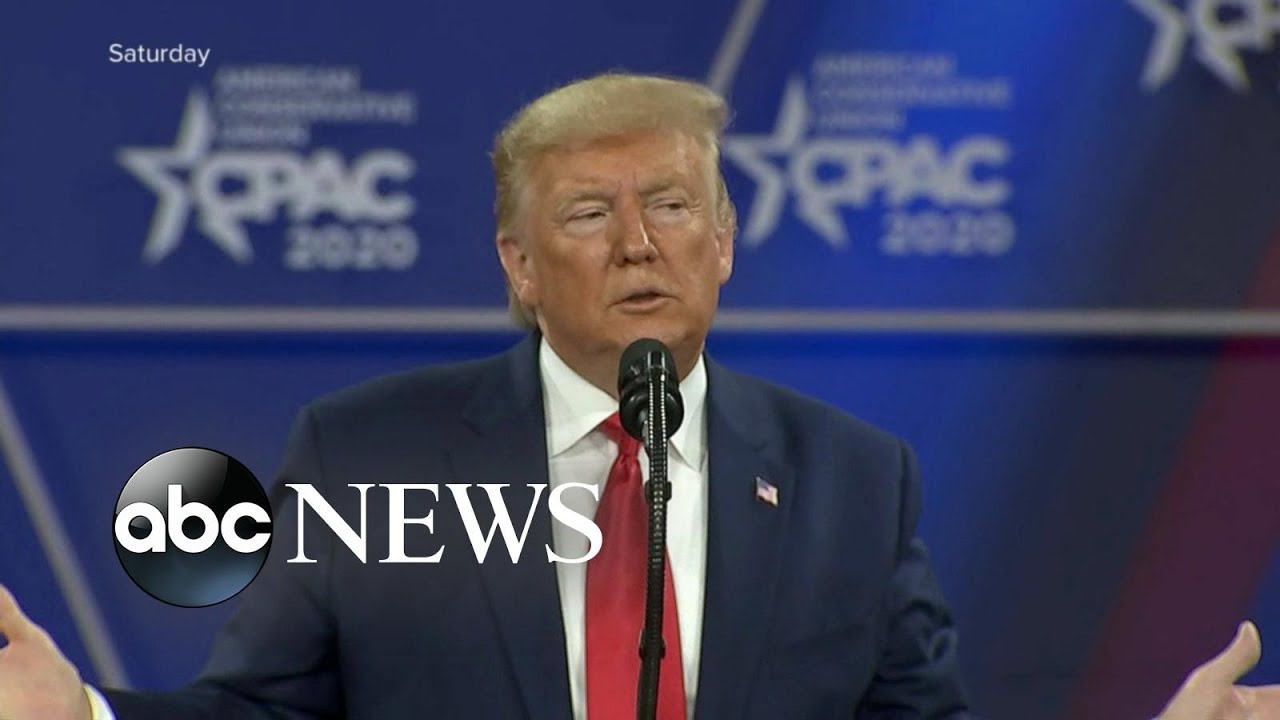
Two days after Washington state reported the nation’s first COVID-19 fatality, the Trump administration spent the weekend of March 1 trying to project control while Democrats accused it of moving too slowly. ABC News’ report “White House responds to political fallout from coronavirus” captured that split screen: Vice President Mike Pence and HHS Secretary Alex Azar defending the government’s timeline on the Sunday shows, even as Speaker Nancy Pelosi and Senate Democratic Leader Chuck Schumer pressed for a faster, better-funded response. Dr. Anthony Fauci, meanwhile, tried to hold the middle ground — warning that broader spread was coming without touching off panic.
- The report followed the February 29 announcement of the first U.S. COVID-19 death, in Washington state, which intensified scrutiny of federal testing capacity and preparedness.
- Pence, named on February 26 to lead the White House Coronavirus Task Force, and Azar cited the early travel restrictions on arrivals from China as the decisive move that bought the U.S. extra time to prepare.
- Pelosi and Schumer argued the administration was underselling the risk, too slow to get working test kits into the field, and requesting insufficient emergency funding — criticism the White House dismissed as politicization of a public health emergency.
Pence and Azar Take the Sunday Circuit
With the task force barely a week old, Pence and Azar used their Sunday show appearances to walk through the administration’s containment record: early screening at airports, restrictions on travelers arriving from China, and coordination between the CDC and state health departments. Both men leaned on the argument that the travel limits had effectively slowed the clock, giving hospitals and labs more runway before any wider domestic spread. It was a defense built around sequencing — what was done, and when — rather than conceding the criticism that testing capacity was lagging behind the need.
Fauci Threads the Needle
Dr. Fauci’s public comments carried a different tone than the political messaging around him. He told viewers that community spread inside the U.S. was likely to widen, a blunter assessment than the White House’s calmer framing, while still cautioning against panic. That balancing act — honest about the trajectory of the virus without feeding a stampede — became the throughline of his early media appearances, the same posture that would later put him at odds with the White House’s messaging shop, as detailed in Fauci’s later description of the friction as “bizarre.”
Officials pointed to the China travel restrictions as the move that bought the country time — Democrats countered that time was exactly what was being wasted on testing.
Pelosi and Schumer Turn Up the Pressure
Pelosi and Schumer’s criticism landed on three fronts: that the administration was underestimating the severity of the outbreak, that functional diagnostic test kits weren’t reaching state and local labs fast enough, and that the emergency funding request the White House had floated was too small for the scale of the problem. Trump and his aides answered by accusing Democrats and parts of the media of turning a public health emergency into a campaign issue — a fight that played out in real time as case counts climbed and projections of where the outbreak was headed, discussed in reporting like the coronavirus models that would soon predict a jump in the death toll, started drawing more attention.
No Declarations, No Deal — Yet
As of the March 1-2 broadcast, there was no national emergency declaration, no federal social-distancing framework, and no large-scale relief package on the table. The fight was still confined to messaging: whose timeline was accurate, whose numbers were credible, and who bore responsibility if testing gaps widened. That vacuum is exactly what let both sides frame the story on their own terms heading into the first full week of March.
The next test for the administration’s defense was already obvious even before the segment aired: how fast test kits actually reached state labs. Pence’s task force had been on the job for less than a week, and the gap between what Azar was promising on Sunday morning television and what hospitals could actually run on Monday was the number every reporter in Washington was about to start chasing.

China Hiding MASSIVE Death Toll from Coronavirus
Schools Face Tough Choices About Reopening As Parents, Teachers Weigh Risks
Trump signs executive order to end preferential treatment for Hong Kong
Investigation into death of Ahmaud Arbery heats up
Fed’s Rosengren on Economy, Fiscal Policy, Negative Rates