

 InfoSearched
New York City, the pandemic’s first American epicenter, has gone silent.
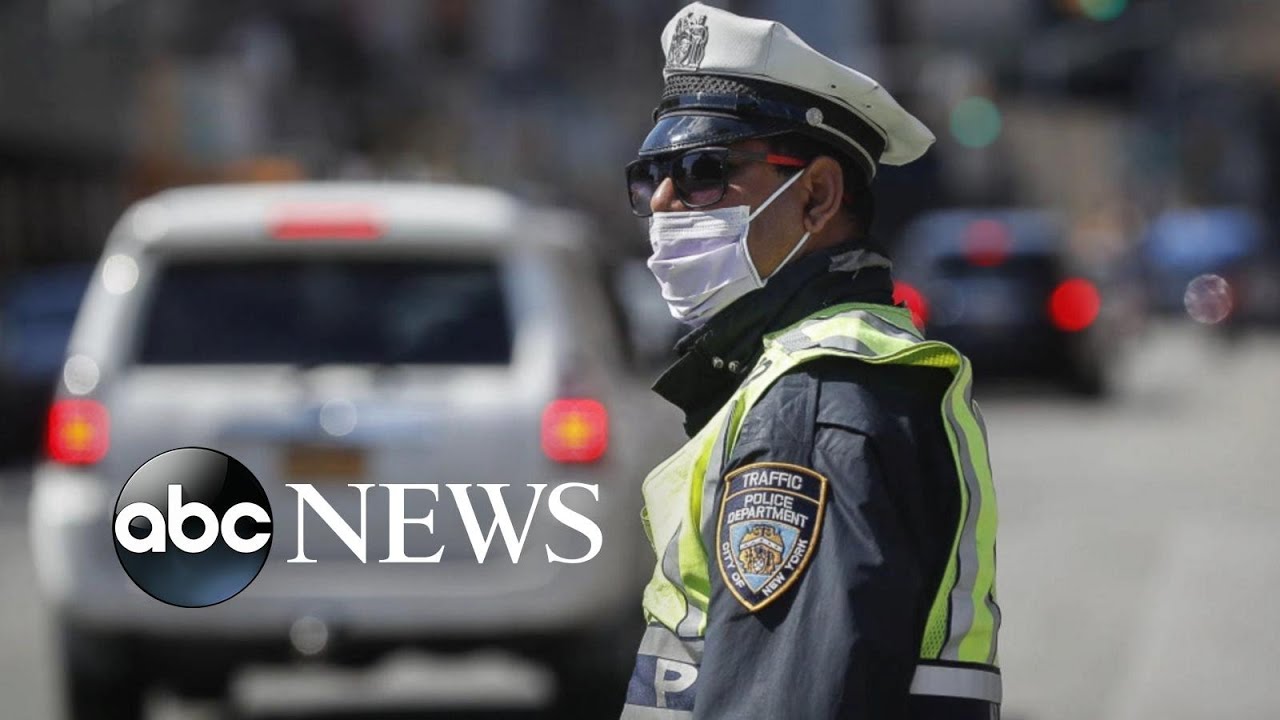
Times Square is empty. Grand Central’s marble concourse, usually shoulder-to-shoulder with 750,000 daily commuters, echoes with nothing but the announcer’s voice. An ABC News crew moved through the city documenting what Governor Andrew Cuomo’s shutdown orders actually looked like on the ground — and what they found was a metropolis of eight million people that had simply stopped moving.
- New York City had recorded roughly 45,000 to 50,000 confirmed COVID-19 cases and more than 1,300 deaths by April 2, 2020, making it the hardest-hit metro area in the country.
- Governor Cuomo’s escalating orders — a 500-person gathering ban, dark Broadway marquees, restaurants forced to takeout-only, then full stay-at-home enforcement — emptied landmarks including Times Square, Grand Central Terminal, Rockefeller Center, Radio City Music Hall, the 9/11 Memorial, and Washington Square Park.
- Elmhurst Hospital in Queens became a symbol of the crisis, with staff describing surging patient loads and dangerous shortages of ventilators and protective equipment.
The Shutdown Timeline
Cuomo didn’t close the city all at once. He tightened the vise in stages: first a cap on gatherings above 500 people, then Broadway theaters going dark for the first time since 9/11, then restaurants and bars stripped down to takeout and delivery only. By the time stay-at-home enforcement arrived statewide, the incremental closures had already trained New Yorkers to expect the street outside their window to look different every few days.
That pattern is echoed in how other cities and states reacted in the same window — several states imposed stricter coronavirus restrictions as infections continued to spike through late March, following New York’s lead almost in real time as case counts climbed nationally.
A City Built for Crowds, Suddenly Without Them
The footage ABC News gathered lingers on the specifics: Times Square’s billboards still blazing over sidewalks with no one to read them, Rockefeller Center’s plaza stripped of tourists, the 9/11 Memorial’s reflecting pools running with no one standing at the rail. Washington Square Park, normally packed with NYU students and street performers, sat under an unfamiliar quiet. The soundtrack of the city changed too — traffic noise and honking gave way to the recurring wail of ambulance sirens, a detail multiple reporters on the ground flagged as the new normal.
New York wasn’t alone in that eerie transformation. Weeks earlier, similar scenes had played out an ocean away, as Beijing itself turned into a “ghost town” amid the coronavirus outbreak, a preview of what was coming for Western capitals just weeks later.
Elmhurst Hospital and the Strain on the System
While Manhattan’s tourist corridors sat empty, Queens told a different story. Elmhurst Hospital became one of the most visible pressure points in the entire outbreak, with medical staff describing patient surges that outpaced available ventilators and protective gear. The mismatch between an empty street grid and an overwhelmed emergency room captured the strange duality of early-pandemic New York — a city that looked shut down while its hospitals were running as hot as they ever had.
The sirens never stopped — that’s the sound of New York right now.
New York’s case count kept climbing through that first week of April, and nobody covering it — hospital administrators, city officials, the network crews filming Times Square’s empty billboards — was pretending the numbers had peaked. The city that never sleeps had gone quiet, but Elmhurst’s hallways hadn’t, and that gap was the story.







Coronavirus Outbreak Worsens In Europe
China Sends Warning Sign With Taiwan Travel Ban
President Trump Says He’s Halting Payments to WHO
Oregon Officials Announce First Presumed Case Of Coronavirus
Fareed Zakaria: Boris Johnson is bad for Britain, Europe and the US