

 InfoSearched
California’s governor floats reopening classrooms months early to fight distance-learning slide.
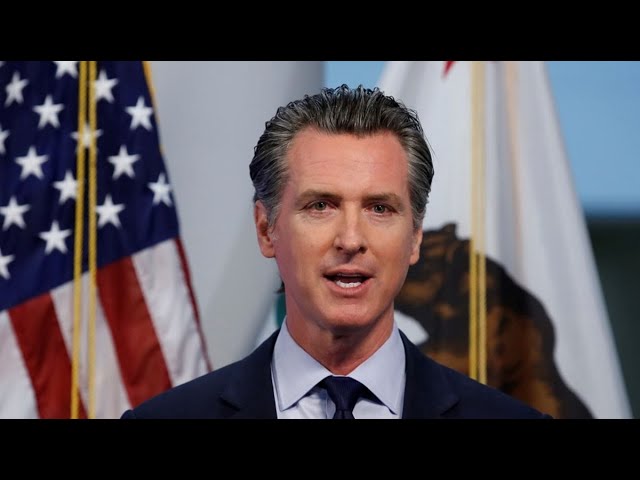
Six million California kids have been out of classrooms since mid-March, and on Tuesday, April 28, Governor Gavin Newsom used his daily COVID-19 briefing in Sacramento to raise a idea few parents saw coming: starting the 2020-2021 school year in late July or early August instead of waiting until after Labor Day. The pitch isn’t about adding instructional days for fun — it’s a direct response to what Newsom and state officials are calling “learning loss,” the academic backslide tied to the abrupt shift to distance learning that hit every district in the state at once.
- Newsom said K-12 campuses could reopen as early as late July or early August for the 2020-2021 academic year, months ahead of the normal calendar.
- The move is framed as part of Stage 2 of California’s four-stage reopening roadmap, contingent on stabilized hospitalizations, ICU capacity, and expanded testing.
- Discussed safety changes include staggered start times, smaller class sizes, reconfigured classroom layouts for physical distancing, and altered lunch and recess schedules.
Newsom Advocates for Summer School
Newsom’s argument is twofold. First, there’s the academic hit: with campuses shut since mid-March and instruction improvised through Zoom calls and packet pickups, state officials worry about a widening gap for the roughly 6 million students under California’s stay-at-home order. Second, there’s the economic angle — schools reopening is treated as a precondition for parents getting back to work, which matters for a state trying to claw its way out of a pandemic-driven shutdown. That two-track logic is the same one running through California’s broader lockdown decisions throughout the spring.
The Stage 2 Condition
Newsom was careful to frame the summer start as a possibility, not a promise. It falls under Stage 2 of the state’s four-stage reopening roadmap, meaning it only happens if the data cooperates — stabilized hospitalizations, sufficient ICU capacity, and expanded testing all have to line up first. Newsom stressed repeatedly that the timeline would be driven by public health science, not political pressure or protest movements pushing to reopen faster.
Data and public health science — not politics or protests — would dictate when campuses reopen, Newsom said.
Reopened Campus Safety Procedures
Even if the calendar moves up, Newsom made clear that walking back onto campus wouldn’t look like September 2019. Officials floated staggered start times, smaller class sizes, reconfigured classroom floor plans to keep desks apart, and modified lunch and recess periods — the kind of granular, logistics-heavy changes that echo the debates now playing out in districts nationwide weighing reopening risks. Those changes raise their own headaches: labor agreements with teachers, compressed timelines for summer training, and the practical problem of packing kids into buildings that, in many parts of California, don’t have air conditioning for a late-July heat wave.
Local Control Still Rules
The announcement caught plenty of education leaders and parents off guard, but analysts were quick to note it isn’t as radical as it sounds — several California districts already start their academic year in August under normal circumstances. And ultimately, Newsom’s plan is a framework, not a mandate. Individual school districts, working with county health officials and labor unions, retain final say over their own calendars and reopening plans, meaning the actual return date could vary wildly from one county to the next.
That local-control caveat is the detail worth watching. Whatever Sacramento recommends, it’s county health departments and district labor talks that will decide whether any given classroom in California reopens in late July, in September, or not at all before the fall — and those negotiations were only just getting started as of April 28.
Deadliest Day In New York But Curve Is Flattening
Zaandam cruise ship stranded at sea with two coronavirus cases
Canada’s Deadliest Mass Shooting in Nova Scotia
Inside Connecticut’s Coronavirus-Only Facility For Nursing Home Residents
You Need To Listen To This Leading COVID-19 Expert From South Korea