

 InfoSearched
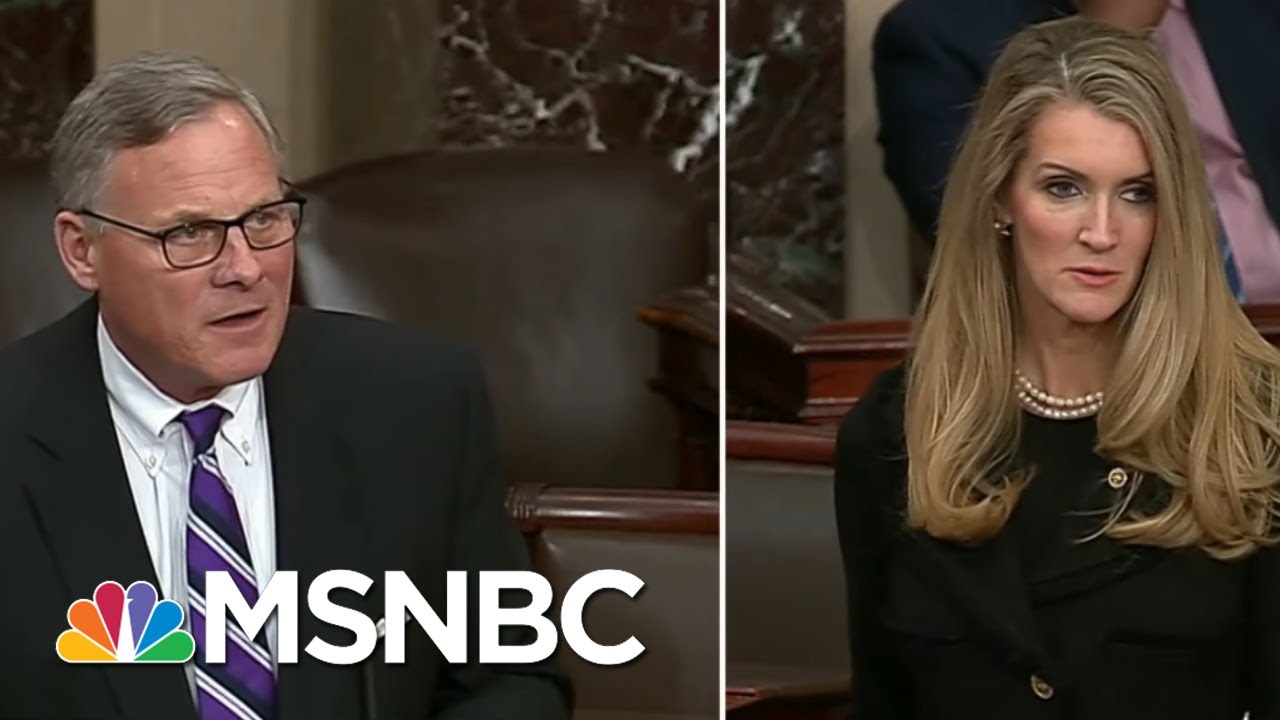
Two senators walked out of a classified coronavirus briefing and went straight to their brokerage accounts.
Financial disclosure filings made public this month show that Senate Intelligence Committee Chairman Richard Burr and Senator Kelly Loeffler both sold off major stock holdings in the weeks surrounding private government briefings on the coming pandemic — trades that landed just before the market began its historic slide. The timing has triggered bipartisan fury, calls for resignations, and demands for a criminal probe under the 2012 STOCK Act, the law that bars members of Congress from trading on nonpublic information gathered through their official duties.
- Burr sold between $628,000 and $1.72 million in stock across 33 separate transactions on February 13, 2020, even as he co-authored a Fox News op-ed reassuring the public that the U.S. was “better prepared than ever” for the virus.
- Secret audio from a February 27 lunch at the Capitol Hill Club captured Burr telling wealthy donors the virus was “much more aggressive in its transmission” than anything “seen in recent history” — comparing it to the 1918 flu and warning it would shut down schools and businesses.
- Loeffler and her husband, Intercontinental Exchange Chairman Jeffrey Sprecher, began selling between $1.2 million and $3.1 million in stock on January 24, 2020, the same day the Senate Health Committee held a private coronavirus briefing.
The Trades and the Timeline
Burr’s February 13 sell-off came before he had made any public statement suggesting the virus posed a serious economic threat — in fact, the op-ed he co-authored with Sen. Lamar Alexander ran in Fox News just weeks earlier and struck a calming tone. Two weeks after unloading his stock, he delivered a starkly different message behind closed doors. According to the leaked recording obtained by NPR, Burr told the Capitol Hill Club audience the virus was “more akin to the 1918 flu” and predicted it would force widespread closures — a warning he never delivered publicly with the same urgency.
Loeffler’s trading history runs on a similar clock. She and Sprecher began dumping shares on January 24, the day of the closed-door Senate Health Committee briefing, and continued selling through mid-February. Records show the couple’s sales touched companies across sectors likely to be hit hardest by a pandemic-driven slowdown, and Loeffler did not disclose the trades publicly until the filings surfaced weeks later.
The Defense From Both Senators
Loeffler insisted she had no direct role in the transactions, telling reporters that her portfolio is managed by third-party financial advisers who make decisions “without my knowledge or involvement.” Burr has offered a different explanation, maintaining that his trades were based solely on public reporting — specifically CNBC’s coverage of the virus’s spread — rather than anything he heard in his role atop the Senate Intelligence Committee.
“This much more aggressive in its transmission than anything that we have seen in recent history… it’s much more aggressive in its transmission than anything we have seen in recent history.”
That’s the substance of what Burr told donors on February 27, according to the secretly recorded audio — a message strikingly at odds with the public reassurance he’d offered in print just weeks before. Burr has since requested that the Senate Ethics Committee review his conduct, framing it as a step toward transparency even as critics say an internal Senate review carries none of the teeth of a Justice Department investigation.
Other Senators Under the Microscope
Burr and Loeffler aren’t alone in facing scrutiny. Senators Jim Inhofe of Oklahoma and Dianne Feinstein of California also drew questions over heavy stock sales made in February, though neither has faced the same intensity of criticism as Burr, whose position chairing the Intelligence Committee gave him direct access to some of the government’s earliest and most sensitive threat assessments. For a chairman whose committee is briefed on national security matters ranging from foreign election interference to pandemic preparedness, the optics of trading around a private warning have proven especially damaging — a dynamic explored further in coverage of Burr’s eventual step-down amid the ongoing investigation.
The Political Fallout
Watchdog groups and Democratic lawmakers are pressing for a full accounting of who knew what and when, arguing that lawmakers with privileged access to briefings on the virus’s likely economic damage had an obligation to act in the public interest rather than protect their own portfolios. The controversy lands amid a broader wave of anxiety over how prepared officials actually were before markets and public health systems buckled — the same anxiety reflected in projections warning of a sharp jump in the death toll that were circulating publicly around the same time senators were trading.
For now, both Burr and Loeffler remain in office, betting that “public reporting” and “outside advisers” hold up as explanations while the Senate Ethics Committee and outside investigators start pulling trade records, calendar entries, and phone logs from those January and February weeks.

Warren insults Bloomberg after Nevada caucuses
In November 2020 It All Comes Together: Riots, Coronavirus, Covid-19, Trump Biden, Social Unrest
Harvey Weinstein guilty on 2 of 5 counts
Sen. Klobuchar On Election Security Legislation, Taking On Trump At Debates
Tucker torches California for providing free alcohol, nicotine to homeless