

 InfoSearched
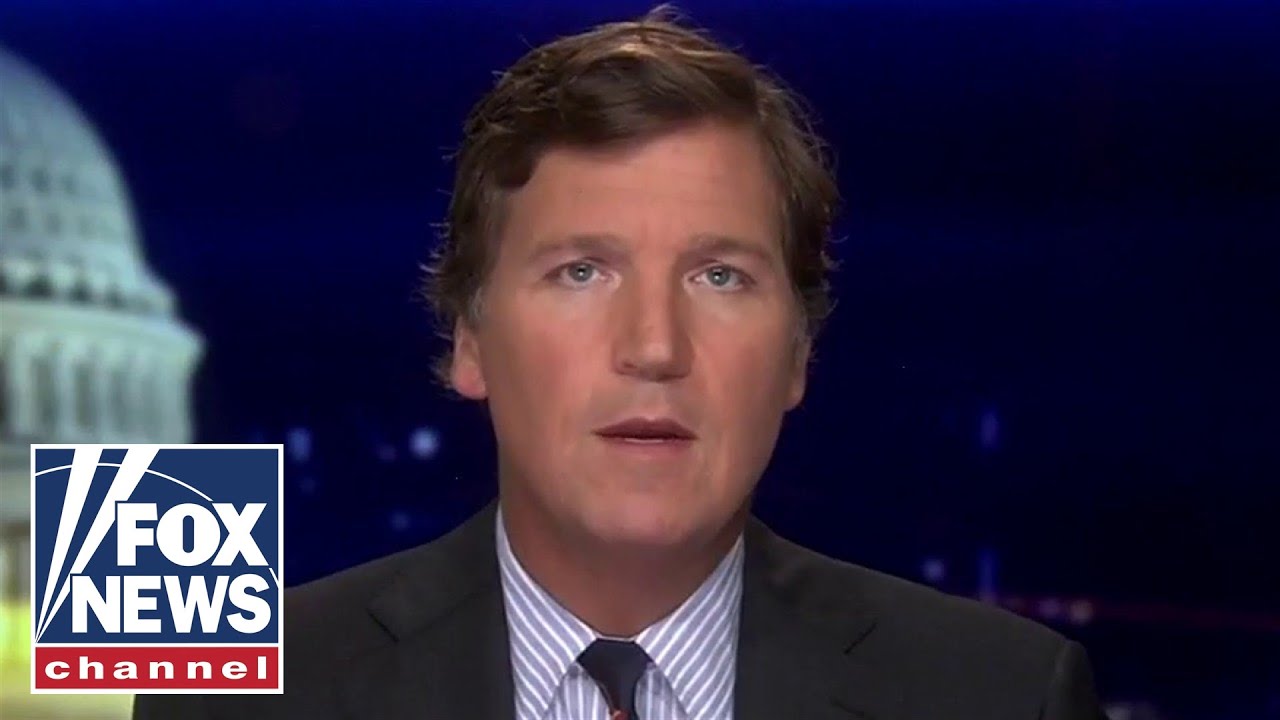
Tucker Carlson takes aim at Silicon Valley’s pandemic power grab.
On his Fox News primetime show, Tucker Carlson opened with a warning: Big Tech isn’t just moderating misinformation during the coronavirus outbreak — it’s using the crisis to decide which opinions Americans are allowed to hear. Carlson pointed directly at Facebook and Google’s YouTube, arguing both companies have shifted from neutral platforms into active gatekeepers of the lockdown debate.
- Carlson argued Facebook and YouTube are suppressing scientific and political speech that questions the necessity and scope of stay-at-home orders.
- Facebook has been removing event pages organizing anti-quarantine protests that defy official state lockdown orders.
- Carlson said platforms are labeling dissenting lockdown views as “harmful misinformation” or “offensive” rather than allowing open debate.
From Distributor to Gatekeeper
Carlson’s central claim was that Silicon Valley companies have stopped acting as open pipelines for information and started acting as partisan referees of the lockdown debate. He tied this shift directly to pressure on platforms to align their moderation policies with guidance from the World Health Organization and the CDC — pressure that, in his telling, has pushed companies to treat any deviation from official public health messaging as something to be scrubbed rather than debated.
That’s a notable departure from how these companies described themselves for years: as hosts of speech, not arbiters of it. Carlson’s argument was that the pandemic gave Facebook and YouTube cover to formalize a level of content control that would have drawn far more scrutiny in normal times.
Anti-Lockdown Protests Meet the Delete Button
As demonstrations against stay-at-home orders spread across multiple states in April 2020, Carlson highlighted a specific enforcement action: Facebook pulling down event pages used to organize anti-quarantine protests that ran counter to official state orders. To Carlson, that wasn’t neutral moderation — it was a tech company picking a side in an active political fight over how far governors could go in restricting movement and commerce.
Those state capitol demonstrations were already making headlines that same week, including the crowds that flooded the Michigan state capitol to protest Governor Whitmer’s stay-at-home order. Carlson used that backdrop to argue that the same public debate playing out on statehouse steps was simultaneously being shut down online.
Silicon Valley wasn’t just moderating the coronavirus conversation — Carlson said it was deciding who gets to have one at all.
The Free-Speech Stakes
Carlson framed the moderation decisions as setting a dangerous precedent beyond COVID-19 itself: once platforms establish that they can silence “offensive” or “harmful” viewpoints during one crisis, he argued, there’s no clear limit on what gets labeled that way in the next one. The concern isn’t unique to Fox’s airwaves — it echoes broader fights over platform power that have surfaced in other viral moderation controversies, including cases where Facebook has pulled down political content that ran afoul of its shifting rules.
For Carlson, the through-line was consistency: a handful of California-based companies now have outsized say over which medical opinions, political arguments, and organizing efforts about a live public health emergency reach the public at all — with almost no outside accountability for how those calls get made.
The segment landed as anti-lockdown protests kept building in state capitols nationwide, meaning the fight Carlson described — over what gets said online about reopening the country — was only getting louder, not quieter, heading into May.






GOP Senators Sold Stock After Secret Coronavirus Briefing
President Trump completes India trip optimistic about new trade deal
Global Coronavirus Impact: Italy’s Hospitals Strained, Merkel In Quarantine
Coronavirus: Inside Italy After Country Put On Nationwide Lockdown
There’s A Crisis That Is Quietly Creating New Economic Superpowers…