

 InfoSearched
For most children, Covid-19 passes like a bad cold — but for a small number, it means an incubator, oxygen and a mother watching through a viewing window.
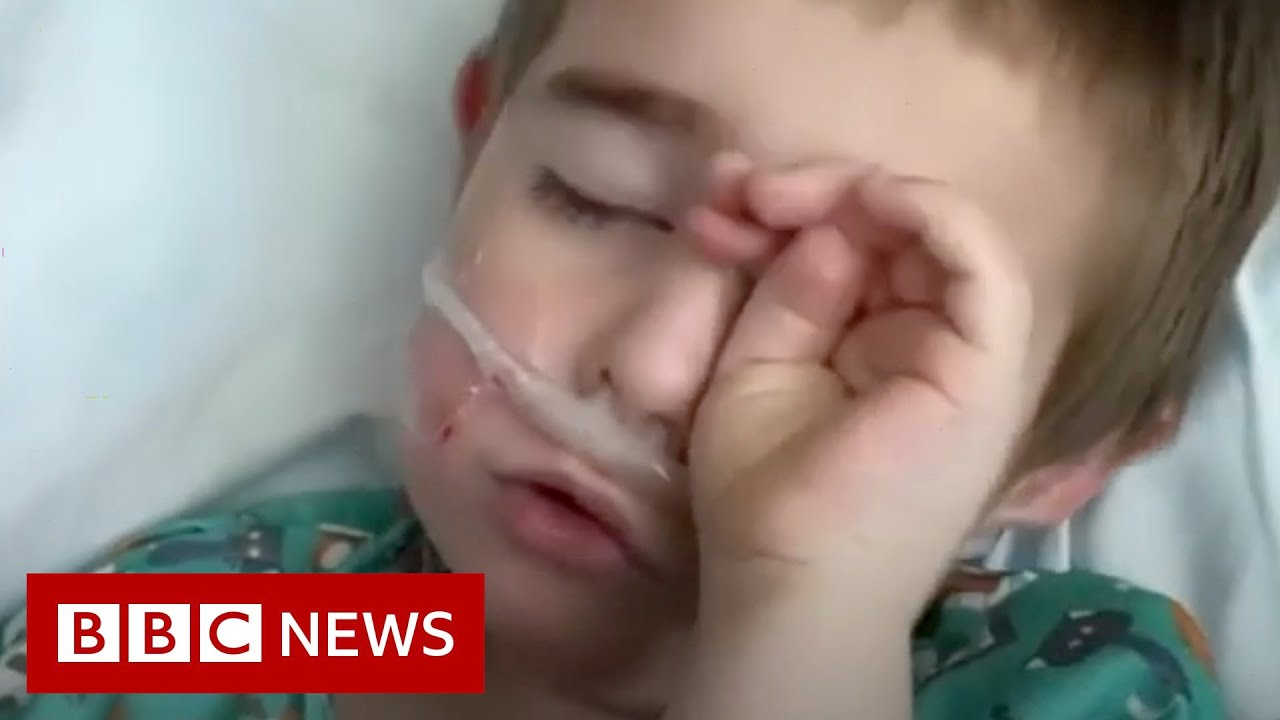
Global data through the spring of 2020 consistently showed that children made up only a tiny fraction of diagnosed coronavirus cases, and that most who caught it had mild symptoms or none at all. But by late April, doctors were reporting a smaller, harder story: infants and toddlers sick enough to need intensive care. A BBC News report told that story through two mothers — one whose son Lincoln, four, ended up in paediatric intensive care, and one whose daughter Peyton tested positive for the virus at just three weeks old.
Peyton Maguire’s case is the more startling of the two because of how early it hit. Born eight weeks premature on March 26, 2020, at University Hospital Wishaw in North Lanarkshire, Scotland, and weighing just 3 lbs 5 oz, she developed a runny nose and cough while still in hospital care and was confirmed positive for Covid-19 soon after. Her mother, Tracy Maguire, described watching medical staff move around her daughter’s incubator in full protective gear — visors, gowns, gloves — while Peyton was given steroid injections and oxygen support.
- Peyton Maguire was born eight weeks premature on March 26, 2020, at University Hospital Wishaw, weighing 3 lbs 5 oz, and tested positive for Covid-19 at three weeks old.
- She was treated in an incubator with steroid injections and oxygen after developing a runny nose and cough, before recovering and being discharged.
- Four-year-old Lincoln also required paediatric intensive care after contracting the virus, according to his mother’s account in the same BBC report.
A Rare but Real Complication
The wider picture in April 2020 was reassuring on paper: children were being infected at far lower rates than adults, and severe illness in kids remained the exception rather than the rule. That is precisely why cases like Peyton’s and Lincoln’s drew attention from clinicians and broadcasters alike — they showed the tail end of the risk curve that parents were told, correctly, was small but not zero. Hospitals treating these children had to weigh normal neonatal and paediatric intensive care protocols against strict new infection-control measures designed to stop the virus spreading through wards already stretched by adult admissions.
For a baby born two months early and already fighting to gain weight, a positive Covid-19 test added a second, unpredictable threat on top of routine premature-birth complications. Steroid injections and supplemental oxygen are standard tools in a neonatal unit, but administering them to a newborn under isolation precautions — with staff gowned head to toe — added a layer of clinical caution doctors hadn’t dealt with before this pandemic.
The View From the Isolation Window
Tracy Maguire’s account centred less on the medicine than on the isolation itself: watching her three-week-old daughter through protective barriers, unable to hold her the way she needed to, while nursing staff in visors and gloves handled every check-up. That separation — physical and emotional — became one of the defining hardships of paediatric and neonatal units during the initial wave of the outbreak, as hospitals across the UK tightened visitor rules to just one parent at a time, or none.
Tracy Maguire described the sight of staff in full protective gear approaching her daughter’s incubator as one of the most frightening moments of the ordeal — before Peyton pulled through and was discharged home.
Lincoln’s mother described a similar strain from the paediatric intensive care side: a four-year-old suddenly surrounded by monitors and masked staff, with parents locked out of the normal comforts of a hospital stay — no visits from siblings, no grandparents in the corridor, just the isolation ward and a phone screen for updates. Accounts like these echoed what older patients were also describing that spring; the BBC’s report on a 16-year-old’s own two hospital admissions for Covid-19 carried the same thread of young patients and anxious families navigating a disease doctors were still learning in real time.
Family Decision Making Implications
Stories like Lincoln’s and Peyton’s landed at a moment when parents across the country were being asked to weigh risk without much precedent to lean on — whether that meant keeping toddlers away from grandparents, deciding when playgrounds might reopen, or later, as the debate shifted, whether it was safe to send children back to school at all. The rarity of severe paediatric cases didn’t erase the fear; it just meant most parents were planning for a low-probability event that, for a small number of families, had already become their reality.
Peyton’s recovery and discharge gave the report its ending, but it wasn’t a tidy one. She went home smaller and later than her due date should have allowed, having spent her first weeks of life behind an incubator glass and a protective visor, in a system still figuring out how to treat a newborn for a virus nobody expected to touch babies at all.








OH NO JOE! Did Biden Just Have a Stroke Mid-Speech?
Park Won-soon: Guards, Journalists Gather in Seoul After Missing Mayor Found Dead
CHOP Seattle ENDED After Protesters Visit Mayor’s House!
18-Year-Old Man Tased by Police After Caught Vaping
Passengers subdue off-duty flight attendant making threats near cockpit