

 InfoSearched
Beijing broke a 22-year silence to defend Carrie Lam — Hong Kong’s opposition says that’s the problem, not the solution.
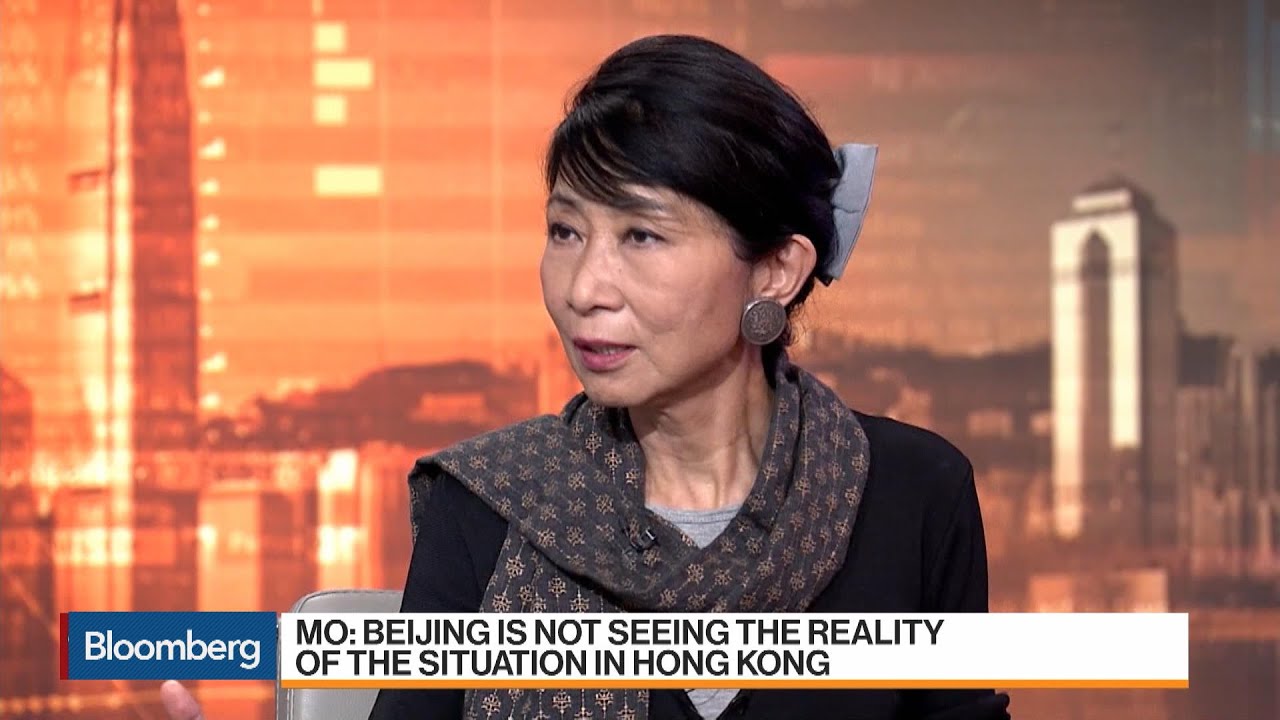
Claudia Mo, a pro-democracy member of Hong Kong’s Legislative Council, went on Bloomberg Television’s “Bloomberg Markets: China Open” in late July 2019 to respond to a rare public intervention from Beijing. The appearance came a day after China’s Hong Kong and Macau Affairs Office held its first dedicated press briefing since the 1997 handover, and Mo wasted no time explaining why she saw it as a dead end rather than an opening.
- The HKMAO’s July 29, 2019 press conference was its first standalone media briefing since Hong Kong reverted to Chinese rule in 1997.
- Spokesperson Yang Guang gave unconditional backing to Chief Executive Carrie Lam and the Hong Kong Police Force while condemning “radical” demonstrators.
- Mo said Beijing ignored the protest movement’s five core demands, including full withdrawal of the extradition bill, an independent inquiry into police conduct, and universal suffrage.
A Briefing Meant to Reassure, Not Negotiate
Yang Guang’s press conference was designed to project stability: back the chief executive, back the police, and frame the restoration of “social order and the rule of law” as the city’s single most urgent task. Nowhere in that message was there a nod to the demonstrators’ grievances or an offer to discuss the bill that had triggered the crisis in the first place. For a government office that hadn’t called a dedicated press briefing in 22 years, the substance was notably narrow — support for the existing administration, condemnation of unrest, nothing else.
Mo’s Rebuttal on Bloomberg
Speaking to Bloomberg, Mo argued that the briefing confirmed what many in the pro-democracy camp already suspected: Beijing had no interest in closing the gap with the public. She pointed out that central authorities never engaged with the five demands that had brought millions into Hong Kong’s streets that summer, treating the extradition bill’s fate and calls for an independent police inquiry as non-issues rather than the crux of the standoff.
There’s no attempt by China to heal the rift.
That line captured her core argument — that unconditional backing for Carrie Lam and the police, delivered without a single concession, wasn’t a peace offering. It was a signal that Beijing intended to outlast the protests rather than address what caused them.
Law and Order Versus Political Concessions
Mo’s read was that Beijing had chosen a strategy of doubling down: full-throated support for law enforcement, zero daylight from the Lam administration, and no political concessions on the extradition bill or the broader demand for universal suffrage. That approach, she warned, would entrench the deadlock rather than resolve it, since the protest movement’s demands hadn’t moved and now had no reason to. Hong Kong’s status as a semi-autonomous territory under the “one country, two systems” framework was itself part of what was being contested, a dynamic that had already drawn a response from Washington — the U.S. would go on to end preferential treatment for Hong Kong the following year as Beijing tightened its grip.
The friction wasn’t limited to Hong Kong’s streets, either. Beijing’s posture toward the territory that July sat alongside a broader pattern of assertiveness toward the region, including military signaling that would later show up in moves like stepped-up drills near Taiwan.
Mo’s bottom line was simple: the HKMAO briefing gave the police and Carrie Lam a vote of confidence, but it gave the demonstrators nothing — and a movement built around five specific, unmet demands wasn’t going to disperse because Beijing said it wanted order restored. The next flashpoint was whichever weekend brought the next mass march, with the extradition bill still sitting, unwithdrawn, at the center of it all.
Coronavirus: Hate crimes against Chinese people in the UK on the rise
Missouri becomes first state to sue China over coronavirus pandemic
Coronavirus Explained: What is the impact?
Prominent U.S. Twitter Accounts Hacked
Arrests Made For School Shooting Threats In Oklahoma, California | NBC Nightly News