

 InfoSearched
A California city just sued the federal government to keep coronavirus patients out of its backyard.
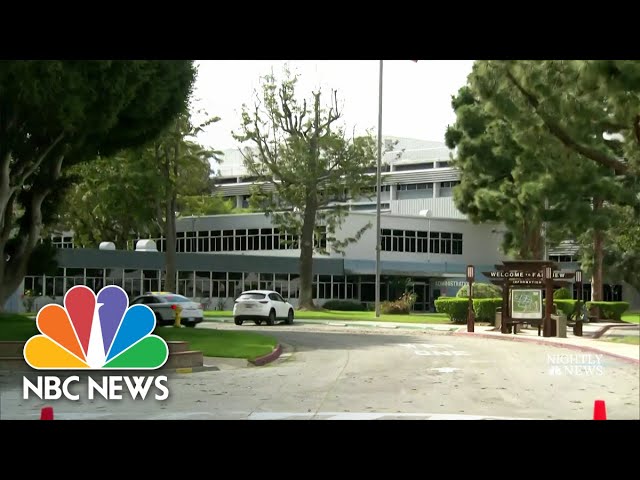
Costa Mesa isn’t waiting to find out what happens if things go wrong. On February 21, 2020, the city filed for an emergency restraining order after learning that federal and state health officials planned to send dozens of coronavirus-positive patients to the Fairview Developmental Center, a shuttered state facility sitting in the middle of residential neighborhoods. A federal judge granted the order the same day, freezing any transfers before they could begin.
- Federal and state agencies planned to move 30 to 70 coronavirus-positive California residents — evacuees from quarantine sites including Travis Air Force Base — into the state-owned Fairview Developmental Center in Costa Mesa.
- The Costa Mesa City Council voted unanimously to file for a temporary restraining order and preliminary injunction, calling the facility dilapidated, unequipped for medical quarantine, and directly adjacent to dense housing.
- A federal judge granted the restraining order on February 21, blocking any patient transfers pending a formal court hearing.
A Facility Never Built for This
Fairview Developmental Center hasn’t functioned as an active care facility in years. It once housed people with developmental disabilities, and city officials describe it now as an aging, largely dormant complex — not a hospital, not a medical quarantine site, and not equipped with the isolation infrastructure that housing infectious patients would require. Costa Mesa’s court filing leaned hard on that point, arguing the site was chosen without any real assessment of whether it could safely contain a contagious population.
The location made the objection sharper. The property sits directly next to residential streets, not on some isolated stretch of state land. That proximity became the core of the city’s legal argument: putting up to 70 potentially contagious patients inside a facility with no advance retrofitting, right next to family homes, was a plan drawn up without the people who’d actually be living next door.
No Warning, No Plan
What angered Costa Mesa leaders most wasn’t just the location — it was the process. City officials say they received no detailed briefing on how transmission would be controlled, how staff would be protected, or how the facility would even be made operational before patients arrived. Mayor Katrina Foley made the city’s position blunt, insisting that protecting residents came before accommodating a federal logistics plan drawn up elsewhere.
Why here?
That question dominated a packed press conference at Costa Mesa City Hall on Saturday, February 22, where elected officials and residents pressed for answers federal and state agencies hadn’t yet provided. The demand wasn’t hypothetical outrage — it followed directly from a plan that, according to the city’s filing, arrived with patients already lined up but no coordination with local government.
An Early Test of Who Controls Quarantine
This wasn’t a routine zoning fight. It was one of the first direct legal collisions between a local government and federal and state authorities over where coronavirus patients could be housed — a dispute that, at the time, had no real precedent to draw on. Costa Mesa’s restraining order didn’t just block one transfer; it forced open a bigger question about how much say a city gets when Washington and Sacramento decide to use its buildings for quarantine, especially with the scale of the outbreak already drawing comparisons to the concerns raised by unusual animal behavior in China and Beijing turning into a ghost town amid the virus’s spread.
Federal and state agencies have since pushed back hard, characterizing Costa Mesa’s legal maneuver as disruptive interference with a national public health response. That tension — a city insisting on a seat at the table versus agencies insisting speed matters more than local sign-off — is exactly what the upcoming court hearing will have to sort out, and it’s the same tension driving broader anxiety reflected in reporting on new coronavirus models predicting a jump in the death toll.
The temporary restraining order buys Costa Mesa time, but it doesn’t settle anything. The real fight happens at the formal hearing, where a judge will decide whether Fairview stays off-limits for good or whether federal and state officials get to move patients in once they answer the questions the city says they’ve dodged so far — starting with what happens to the neighborhoods next door if something goes wrong.


Why are Federal Reserve members split on raising rates? I FT
WATCH: Trump holds news conference on the coronavirus
Small Business Loan program running out of money for small businesses
Boris Johnson admitted to U.K. hospital with ‘persistent’ COVID-19 symptoms
US stock markets continue to plunge over coronavirus uncertainty