

 InfoSearched
U.S. intelligence says Beijing is running a coordinated disinformation campaign to rewrite the story of its own outbreak.
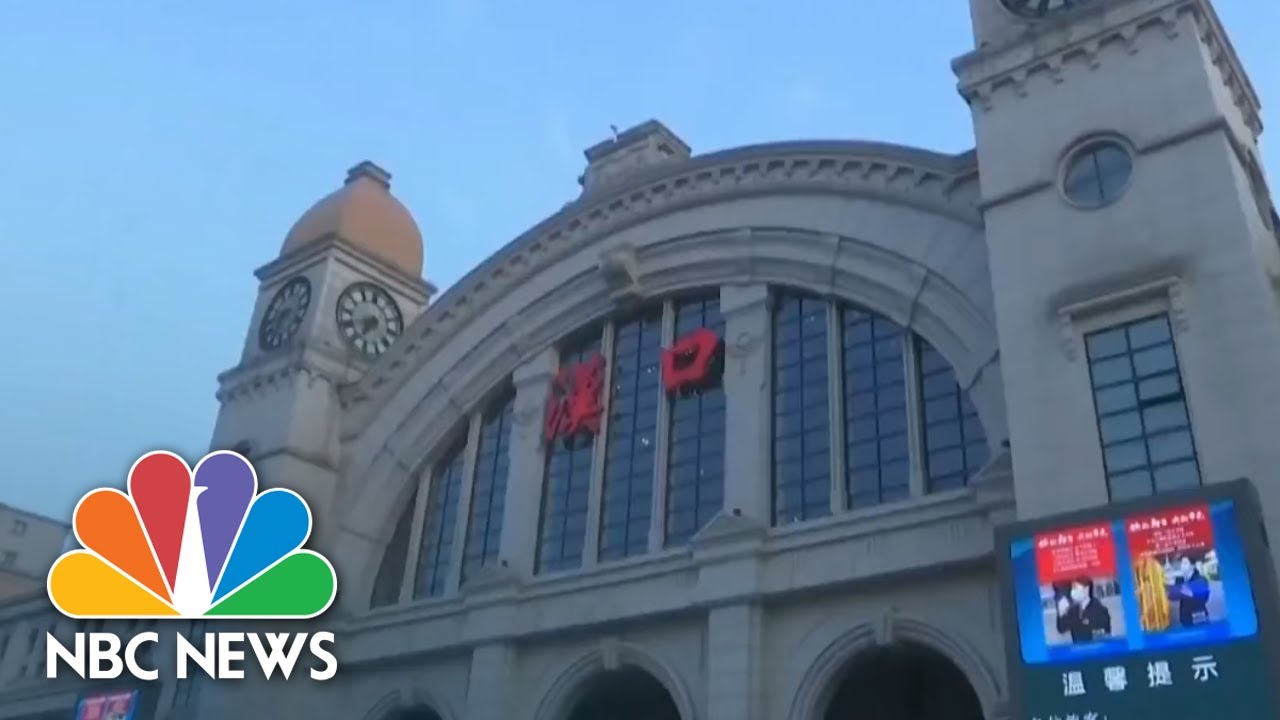
American intelligence officials say the Chinese government has moved well past defensive messaging and into an active, multi-front effort to control the global narrative around COVID-19. The campaign, tracked across state media, diplomatic channels and social platforms, aims to deflect blame for Beijing’s early handling of the outbreak in Wuhan and to muddy the question of where the virus actually came from. NBC Nightly News detailed the findings as tensions between Washington and Beijing kept climbing through April 2020.
- U.S. intelligence agencies say Chinese state operatives, diplomats and official outlets have deliberately pushed false narratives, including unsubstantiated claims that the U.S. military brought COVID-19 to Wuhan during the October 2019 Military World Games.
- Officials tracked coordinated activity on Twitter and YouTube designed to contrast China’s authoritarian response favorably against Western democracies, spotlighting American and European public health stumbles while inflating China’s own recovery and aid efforts.
- William Evanina, Director of the U.S. National Counterintelligence and Security Center, told reporters China was “expanding its influence campaigns to try to shape the coronavirus narrative in its favor.”
The Origin Story Beijing Wants Told
At the center of the campaign is an effort to shift attention away from Wuhan as the outbreak’s starting point. Intelligence officials say Chinese diplomats and state media amplified a theory, with no supporting evidence, that American service members introduced the virus during the Military World Games held in Wuhan in October 2019. The claim gained traction on Chinese social platforms and was echoed by government spokespeople, even as it ran counter to virtually every scientific account of the outbreak’s timeline.
The push comes as the Trump administration has grown increasingly vocal about gaps in China’s transparency, from the initial reporting of infection numbers to how quickly Beijing acknowledged human-to-human transmission. Those questions have also touched the case of Dr. Li Wenliang, the Wuhan ophthalmologist who tried to warn colleagues about the new virus in late 2019 and was reprimanded by local police for “spreading rumors” before later dying of COVID-19 himself.
Playing Both Sides of Social Media
Officials say the campaign isn’t limited to denial and deflection. Coordinated accounts on Twitter and YouTube have worked to frame China’s centralized response as proof that authoritarian governance handles a pandemic better than democratic systems, while amplifying stories of hospital shortages and rising case counts in the U.S. and Europe. At the same time, the same networks have promoted footage of Chinese aid shipments and recovery milestones, a split-screen strategy meant to shape international opinion in Beijing’s favor.
China is “expanding its influence campaigns to try to shape the coronavirus narrative in its favor.”
Intelligence officials describe the tactics as an increasingly Russian-style influence operation — sowing doubt abroad while tightly managing domestic sentiment at home. That dual approach mirrors the online disinformation playbook Moscow has used in past elections, applied here to a public health crisis instead of a vote.
Washington’s Response Hardens
The intelligence assessment landed amid a broader deterioration in U.S.-China relations, with the administration scrutinizing everything from the World Health Organization’s early deference to Beijing to China’s suppression of whistleblowers like Dr. Li. Readers can find more on how that pressure has played out in Washington’s separate move to end preferential treatment for Hong Kong, part of a wider pattern of the administration pushing back on Beijing across multiple fronts at once.
The disinformation findings also arrived alongside renewed scrutiny of research ties between American institutions and Chinese labs, a separate thread detailed in reporting on bat-human interface research funded in China. Taken together, U.S. officials argue the picture is one of a government working simultaneously to obscure its early failures and to project strength on the world stage.
Evanina’s office has said it will keep monitoring the campaign as it evolves, and NBC’s reporting made clear this wasn’t a one-off talking point — it’s an ongoing operation intelligence agencies expect to keep running as long as the pandemic keeps making headlines outside China’s borders.
The ‘unknown’ Covid deaths in rural India
Disney shares drop as company delays reopening of California Disneyland
Two American cities fight to block quarantine facilities in their communities
Arrests Made For School Shooting Threats In Oklahoma, California | NBC Nightly News
President Trump Says He’s Halting Payments to WHO