

 InfoSearched
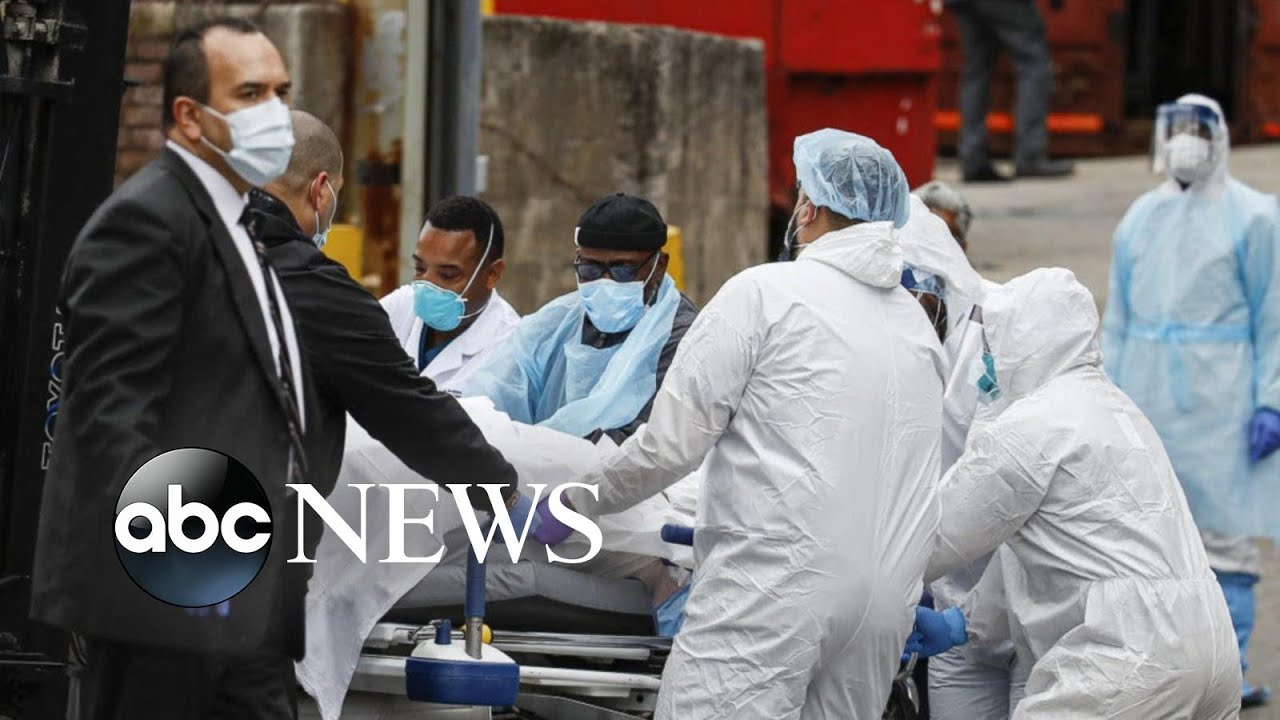
Frontline doctors and nurses are getting infected almost as fast as they can treat patients.
At Brigham and Women’s Hospital in Boston, at least 140 staff members have now tested positive for coronavirus — a stunning jump from mid-March, when the hospital had just two infected providers and was still running contact tracing on those cases. The spike is playing out at hospitals across the country, and it’s forcing a hard question: what happens to the pandemic response when the people treating patients start becoming patients themselves.
- At least 140 employees at Brigham and Women’s Hospital in Boston have tested positive for COVID-19, up from just two cases identified in mid-March.
- The World Health Organization estimates healthcare workers account for roughly 10% of coronavirus infections worldwide.
- Nationwide shortages of N95 masks, face shields and gowns are forcing many doctors and nurses to ration or reuse single-use protective gear.
A Hospital’s Numbers Tell the Story
The jump at Brigham and Women’s is the clearest snapshot yet of how fast this virus moves once it’s inside a hospital. In mid-March, administrators were tracking two infected providers and running down their contacts one by one. Weeks later, that number had ballooned to 140 employees testing positive — a scale that no amount of contact tracing can keep pace with once community spread and hospital exposure start overlapping.
Boston isn’t an outlier. Similar spikes among medical staff are showing up at hospitals around the country, and the pattern lines up with the World Health Organization’s global estimate that healthcare workers make up about 10% of all confirmed infections. That’s not a footnote — it’s a workforce getting knocked out of commission at the exact moment hospitals need every set of hands they have.
The Protective Gear Problem
Ask any nurse right now what’s driving the infection rate and the answer comes back the same: there isn’t enough gear. N95 respirators, face shields and gowns are all in short supply nationwide, and that shortage is pushing doctors and nurses into makeshift workarounds — rationing single-use masks across multiple shifts, improvising decontamination methods that were never designed for this kind of volume.
Healthcare workers represent roughly 10% of coronavirus infections worldwide, according to World Health Organization estimates.
Every reused mask and every gap in supply is direct exposure. Clinicians already dealing with the sickest patients in the building are now doing it with equipment that was supposed to be single-use, single-shift — and that math catches up with a hospital’s staff roster fast.
Impact of Staffing Shortages
Pull enough doctors and nurses off the floor for quarantine or treatment, and a hospital’s capacity to handle a surge collapses right when admissions are climbing. That’s the systemic risk here — it’s not just the individual health toll on providers, it’s the compounding effect on every patient behind them waiting for a bed, a ventilator, or simply a nurse who isn’t already stretched across three other rooms.
Clinicians are also raising a quieter but serious worry: most hospitals don’t have dedicated decontamination infrastructure built for this. Without it, providers fear they could unknowingly pass the virus to patients who came in for something else entirely, or carry it home to their own families after a shift. Some of the broader restrictions rolling out in states imposing stricter coronavirus rules trace directly back to this kind of hospital-level exposure data. Even the White House’s own decision to mandate masks for staff came only after officials there tested positive — a sign of how contagious close-quarters exposure has proven even at the highest levels.
Brigham and Women’s went from two cases to 140 in a matter of weeks. That’s the number hospital administrators nationwide are staring at right now, and it’s the one that will decide whether the workforce treating this outbreak can still show up for the next shift.





Coronavirus: Hate crimes against Chinese people in the UK on the rise
Coronavirus/Covid-19: What happens now, what comes next
President Trump addressed the nation after Iran strikes at U.S. troops in Iraq
Seattle Just PURGED The CHAZ After Chazistani Police Kill Underage Black Male, Truly Stupid Times
Seattle Just PURGED The CHAZ After Chazistani Police Kill Underage Black Male, Truly Stupid Times