

 InfoSearched
A city famous for feeding tourists at 2 a.m. suddenly has nothing to feed its rats — so they’re eating in the street instead.
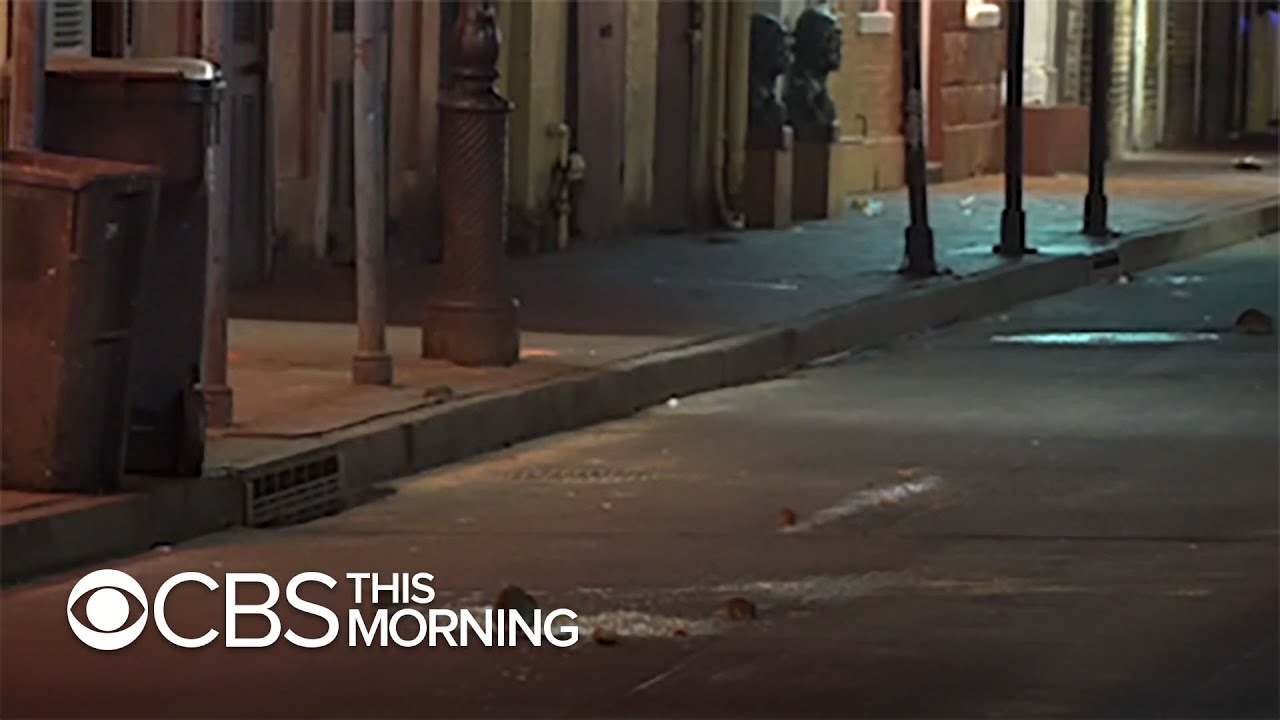
New Orleans shut its bars and dine-in restaurants and told residents to stay home as coronavirus cases surged through the region in late March 2020. The move choked off the steady stream of table scraps and dumpster overflow that normally keeps the city’s rat population fed and out of sight. CBS News correspondent Omar Villafranca reported on what happened next: with the food gone, the rats came out, in broad daylight, in the middle of the road.
- Stay-at-home orders and the closure of bars and dine-in restaurants cut off the food scraps that normally sustain New Orleans’ rat population in neighborhoods like the French Quarter.
- Tour guide Charles Marsala said he turned a corner and found roughly 30 rats feeding on debris in the middle of a public street.
- The sudden daytime foraging raised sanitation and public health concerns on top of an already severe regional COVID-19 surge, pushing city pest control and sanitation crews into action.
An Empty French Quarter Changes the Food Chain
New Orleans runs on its nightlife — the crawfish boils, the late-night po’boys, the dumpsters behind Bourbon Street bars that never really empty. That constant churn of garbage has fed the city’s rat colonies for generations, mostly out of view, mostly at night. Shut the bars, close the dining rooms, and empty the sidewalks, and that food source disappears almost overnight.
Rats don’t just go hungry quietly. Villafranca’s report showed rodents forced into unfamiliar territory in the middle of the day, foraging in open roadways instead of alleyways, because the usual scraps simply weren’t there anymore. It’s the kind of unintended consequence that doesn’t show up in any public health briefing until residents start calling it in.
Thirty Rats in the Middle of the Street
Charles Marsala, a New Orleans tour guide who spends his days walking the city’s streets, described the moment that made the problem impossible to ignore.
Marsala said he turned a corner to find a swarm of about 30 rats feasting on debris right in the middle of the roadway.
That’s not a rat sighting — that’s a swarm, in daylight, on a street that would normally be full of people, cars, and noise loud enough to keep rodents in hiding. With the city as quiet as it’s been since the stay-at-home order took hold, the rats had the run of the pavement.
The City’s Response
The sight of rats feeding openly in commercial districts pushed municipal pest control and sanitation authorities to move quickly. Officials deployed countermeasures aimed at cutting off the rodents’ new access points and cleaning up the debris drawing them into the open, treating it as both a sanitation problem and a public health risk layered on top of an already severe regional COVID-19 surge.
The timing made it worse. New Orleans hospitals were already straining under a fast-rising caseload when the rat problem surfaced, meaning city resources built for a pandemic response suddenly had to stretch to cover a rodent outbreak too — two crises born from the same empty streets.
New Orleans isn’t the only city watching its usual rules of urban life get upended by empty sidewalks — for more on how the coronavirus response reshaped daily life across the country in those same weeks, see several states imposing stricter coronavirus restrictions as infections continue to spike. The rats didn’t create the crisis — the empty streets did, and until the French Quarter’s kitchens and bars are back open and busy, the rats have little reason to go back into hiding.









Chaos in American airports
How San Francisco Has Kept Its Coronavirus Numbers Low
Infection rates continue to rise in India and Latin America
Senate blocks two anti-abortion bills as reproductive rights battle heats up
4 kids recovering from injuries after a car slammed into day care in Philadelphia