

 InfoSearched
Two states, two averted tragedies — and a pair of arrests that show how seriously schools are now treating even a single threatening word.
In the span of a few weeks in the late summer of 2019, law enforcement in Oklahoma and California moved fast on separate school shooting threats, arresting suspects before either situation escalated. The cases, an 18-year-old in McAlester, Oklahoma, and a 15-year-old in Fresno, California, both started the same way: someone saw or heard something alarming and told an adult who called police.
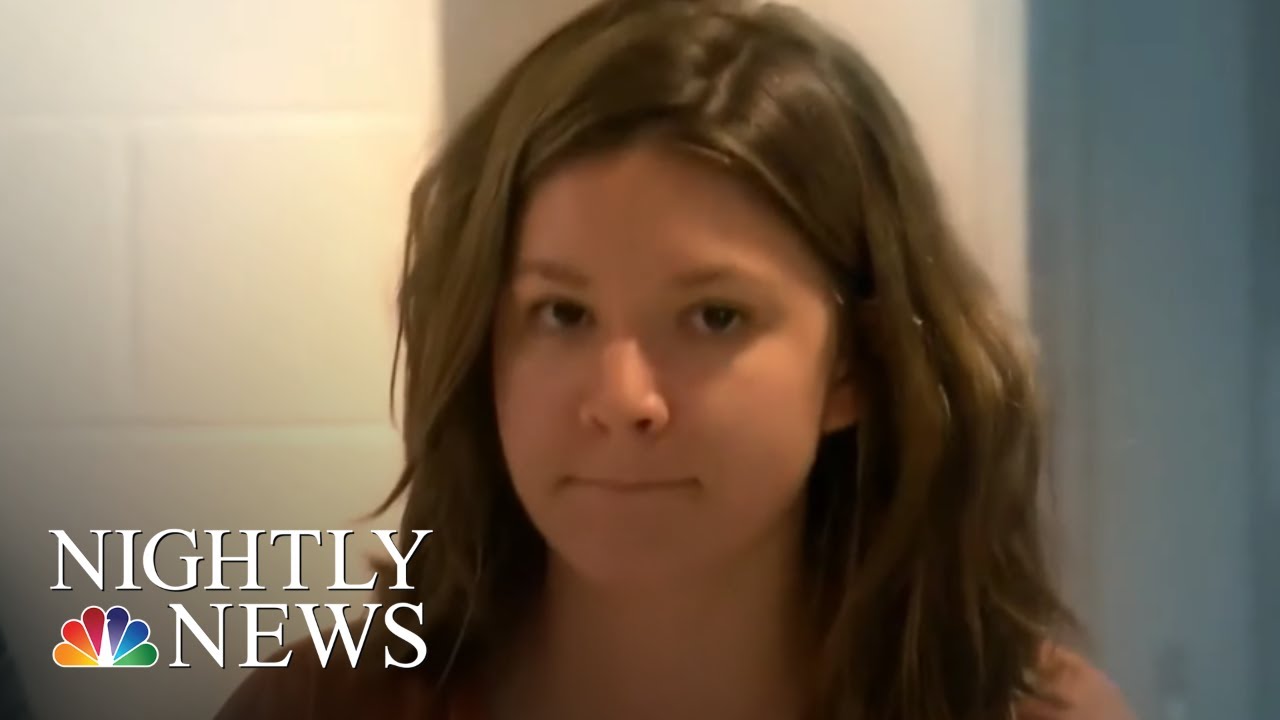
- McAlester, Oklahoma police arrested 18-year-old Alexis Wilson on Monday, September 16, 2019, after she allegedly threatened to “shoot 400 people for fun” at her former school, McAlester High School, and showed a coworker video of herself firing a newly purchased AK-47.
- A search of Wilson’s bedroom turned up the AK-47, six magazines, a 12-gauge shotgun, and ammunition; she was charged with making a terrorist threat and held on a $250,000 bond after pleading not guilty.
- In August 2019, Fresno police and the FBI arrested a 15-year-old girl who posted a photo of a gun display case on Snapchat warning Edison High School students, “Don’t come to school tomorrow.”
The McAlester Case Unravels at a Pizza Inn
According to authorities, Wilson’s threat surfaced in an ordinary workplace conversation. She showed a coworker at a local Pizza Inn videos and photos of herself firing the AK-47 she had recently bought, then began talking about the school she used to attend. The coworker didn’t brush it off — she alerted a manager, who contacted the Pittsburg County Sheriff’s Office, setting an investigation in motion within hours.
Deputies searched Wilson’s home and recovered the AK-47, six magazines, a 12-gauge shotgun, and ammunition from her bedroom. Wilson later told investigators she had been trying to convince her coworker that not all gun owners are bad and felt she’d been misunderstood. But she also admitted to past suicidal and homicidal feelings that she said stemmed from severe bullying she experienced at McAlester High School, where records show she had previously been suspended for carrying a knife and for possessing a swastika.
She allegedly threatened to “shoot 400 people for fun” at her former school.
Wilson was charged with making a terrorist threat and pleaded not guilty; a judge set her bond at $250,000. Pittsburg County Sheriff Chris Morris pointed to the coworker’s decision to speak up as the reason the case never got further than a search warrant and an arrest.
Fresno’s Snapchat Warning
California had its own scare a month earlier. In August 2019, a 15-year-old girl posted a photo of a gun display case on Snapchat with a caption telling Edison High School students, “Don’t come to school tomorrow.” Fresno police and the FBI moved quickly, tracking down and arresting the teen before the post could spread into full-blown panic or worse.
Fresno Police Chief Jerry Dyer has been blunt about how his department treats these posts: not as pranks or venting, but as credible threats until proven otherwise. That posture, shared by districts nationwide as they weigh questions like those facing school boards across the country debating reopening, has become standard operating procedure for any threat that names a specific campus.
Zero Tolerance in Practice
What connects the McAlester and Fresno cases is less about geography than about response time. In both incidents, a bystander — a coworker, a classmate, a follower on social media — recognized a threat and reported it immediately, and law enforcement treated the tip as urgent rather than routine. Neither Sheriff Morris nor Chief Dyer framed these arrests as isolated wins; both described a zero-tolerance approach built specifically to stop a threat before it becomes a headline for the wrong reasons.
That urgency echoes the broader anxiety schools have been navigating as they balance safety measures against everyday operations, a tension that has shown up in debates over tough choices schools face over reopening and campus security alike. Wilson’s bullying claims and disciplinary history, along with the Fresno teen’s Snapchat post, both suggest departments are now working backward from any digital trail almost immediately rather than waiting for a threat to be corroborated.
Wilson remains in custody in Pittsburg County on her $250,000 bond awaiting further proceedings on the terrorist threat charge, while the Fresno case moved through juvenile channels after the FBI’s involvement in August. Both cases got resolved without a shot fired at either campus — which, for two departments now treating every tip as the one that matters, was exactly the point.






Nurses Stop Anti-Lockdown Protesters from Blocking Hospital Access Roads amid COVID-19
Elizabeth Warren: We won’t win this moment with spinelessness
Boris Johnson replaces Theresa May as UK prime minister
California reports first coronavirus death
U.S. pays Pfizer, BioNTech $2 bln for vaccines