

 InfoSearched
The Pentagon says the fingerprints on the Abqaiq strike lead straight back to southern Iran.
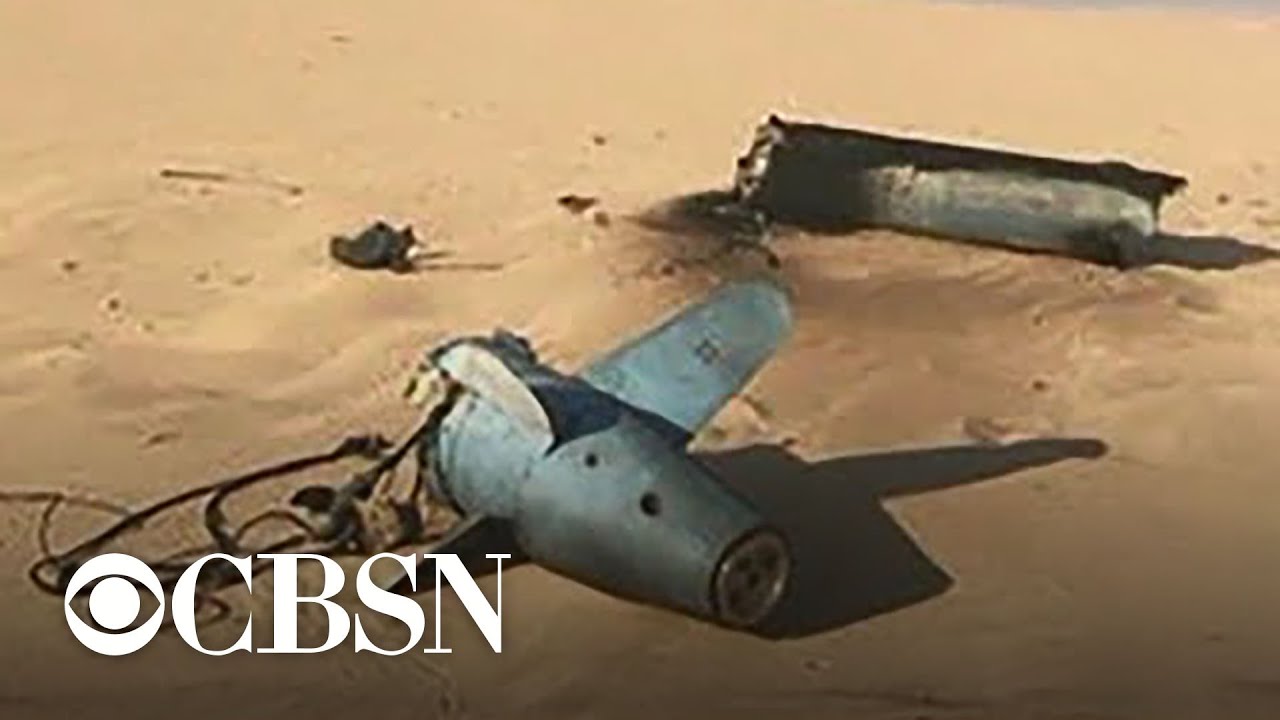
A senior U.S. official told CBS News on September 17 that American intelligence had traced the missiles and drones that hit Saudi Arabia’s oil infrastructure directly to launch sites inside Iran — not Yemen, not Iraq. The September 14 strike knocked out 5.7 million barrels a day of Saudi crude, more than half the Kingdom’s output and roughly 5% of the world’s supply, triggering the biggest single-day oil price spike in a decade. CBS News national security correspondent David Martin, reporting from the Pentagon, walked through how the U.S. reached that conclusion.
- U.S. officials identified Iranian launch sites and say the assault used low-flying cruise missiles plus more than 20 drones.
- The strike shut down 5.7 million barrels per day of output — over 50% of Saudi production and about 5% of global crude supply.
- Secretary of State Mike Pompeo was set to travel to Saudi Arabia on September 18 to meet Crown Prince Mohammed bin Salman on the response.
Tracing the Trajectory
According to Martin’s Pentagon reporting, U.S. point-of-impact assessments show the weapons arrived from the north or northwest — the opposite direction from Yemen, where the Houthi rebels are based. Officials also determined that at least one missile crossed Kuwaiti airspace on its way to the target, another detail inconsistent with a southern, Yemen-launched attack. That geometry is a big part of why U.S. officials say the flight paths point back toward Iranian territory rather than the Arabian Peninsula’s southern border.
Yemen’s Iran-aligned Houthi movement publicly claimed responsibility for the strike, but American officials dismissed that claim outright, citing range and trajectory limits that they say make a Houthi launch implausible for weapons that reportedly traveled the distance and direction observed. The Iran-Saudi standoff has been building for years, and this episode landed on top of an already tense standoff involving U.S. sanctions and troop deployments in the region — the kind of pressure campaign the Trump administration has pursued since it walked away from the 2015 nuclear deal, a policy line that echoes the administration’s approach at the United Nations that same week.
Point-of-impact assessments indicated the weapons arrived from the north or northwest — not from Yemen.
Trump’s Response and Pompeo’s Trip
President Trump said Iran appeared to be the culprit while stressing he wants to avoid war, a familiar balancing act for a White House that has leaned on sanctions and diplomatic pressure rather than direct military confrontation. Pompeo’s September 18 trip to Riyadh was aimed at coordinating a joint response with Crown Prince Mohammed bin Salman, whose government had just lost more than half its crude output overnight. Tehran, for its part, firmly denied any involvement in the attack.
The stakes go beyond the two countries directly involved. A hit of this size to Saudi output rattled energy markets worldwide and put a spotlight on how exposed global oil supply is to a single choke point in the Persian Gulf — the same region where tensions have simmered since the U.S. pullout from the nuclear deal and the reimposition of sanctions on Tehran.
Future Directions for Riyadh and Washington
Pompeo’s meeting with the Crown Prince was the first concrete diplomatic step toward figuring out what, if anything, the U.S. and Saudi Arabia do in response to an attack that U.S. officials now say came from Iranian soil. With Aramco engineers racing to restore the Abqaiq and Khurais facilities and Washington weighing its options, the next moves out of Riyadh and the White House will determine whether this stays a war of accusations or escalates into something sharper.



Chinese economy is going through transformation: BNP Paribas China CEO | East Tech West
Coronavirus: When your child’s in intensive care with Covid-19
Fed cuts rates, signaling what’s going on in the global economy
Trump signs executive order on skills-based hiring
The Boy Scouts of America files for bankruptcy amidst sexual harassment allegations