

 InfoSearched
A national bus carrier just told Border Patrol it needs a warrant to come aboard.
Greyhound Lines announced on February 21, 2020, that it would immediately stop allowing U.S. Border Patrol agents to board its buses for routine immigration checks without a warrant. The reversal ends years of quiet cooperation and follows a leaked internal Border Patrol memo that undercut the legal argument the company had used to justify letting agents on board in the first place.
- Greyhound will notify the Department of Homeland Security it does not consent to warrantless searches on its buses or in non-public, ticketed terminal areas, and will train drivers and station staff while adding warning decals to bus doors stating its non-consent.
- The shift followed a leaked internal memo dated January 28, 2020, signed by outgoing Border Patrol Chief Carla Provost, confirming agents need explicit consent from the bus company’s owner or employees to conduct transportation checks at non-checkpoint locations.
- Washington State Attorney General Bob Ferguson had threatened legal action over warrantless sweeps at facilities like the Spokane Intermodal Center, and regional carriers Jefferson Lines and MTRWestern had already barred warrantless boardings before Greyhound followed suit.
The Memo That Changed Everything
For years, Greyhound’s official line was that federal law compelled it to let Border Patrol agents walk the aisles of its buses checking papers, even well inside the country at stops far from any actual border crossing. That argument fell apart once the Associated Press got hold of the memo Carla Provost signed on January 28, 2020, on her way out as Border Patrol chief. It stated plainly that agents conducting transportation checks away from checkpoints have to show they gained access with the explicit consent of the bus company’s owner or employees — a Fourth Amendment requirement Greyhound had been treating as optional for its own passengers.
Once that memo became public, Greyhound had nothing left to hide behind. The company’s February 21 announcement effectively conceded that the “we have no choice” defense it had leaned on for years was never true to begin with.
Pressure From the ACLU and State Attorneys General
The reversal didn’t happen in a vacuum. Civil rights groups including the ACLU had spent years documenting Border Patrol sweeps at Greyhound terminals, arguing the checks — frequently conducted inside the statutory 100-mile border zone that covers a huge share of the U.S. population — amounted to racial profiling of passengers who simply looked like they might be undocumented.
Washington State Attorney General Bob Ferguson led the sharpest legal pressure campaign, threatening action over warrantless sweeps at facilities such as the Spokane Intermodal Center. That threat, combined with the leaked memo, gave Greyhound cover to change a policy it had defended publicly for a long time.
Greyhound said it would formally notify the Department of Homeland Security that it does not consent to warrantless searches on its buses or in non-public terminal areas requiring a ticket.
Greyhound Was Behind, Not Ahead
What’s notable is that Greyhound wasn’t setting a new industry standard — it was catching up to one. Regional carriers Jefferson Lines and MTRWestern had already prohibited warrantless boardings before Greyhound made its move, leaving the country’s largest intercity carrier as a conspicuous holdout until the memo forced its hand.
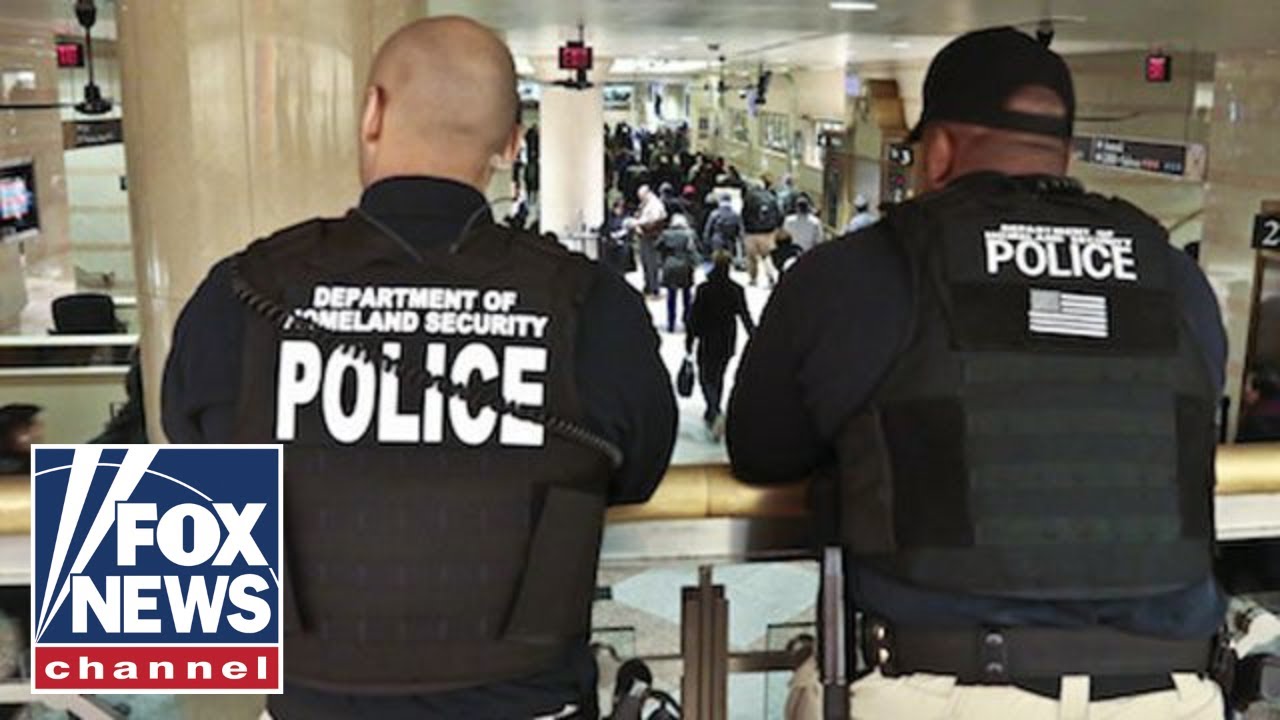
Fox News covered the announcement with reaction from Acting DHS Deputy Secretary Ken Cuccinelli, who addressed the administration’s position on immigration enforcement authority and transportation checks. The exchange underscored that the fight over Greyhound’s policy was really a fight over how far the 100-mile border zone lets agents operate without a judge’s signature — a question that predates this announcement and won’t be settled by one company’s decal campaign, as similar debates over enforcement authority have played out around the country over reopening of schools and public spaces during the pandemic era.
Greyhound says training for drivers and station employees is already underway, alongside the new warning decals going up at terminals. Whether other national carriers follow the same path — or whether DHS pushes back on the consent standard the Provost memo spelled out — is the next thing to watch as this plays out at bus stations far from the border itself.







Coronavirus: When your child’s in intensive care with Covid-19
Liberal Says They’re Voting For Trump, Facebook DELETES Video??!
Tucker: What holiday should be canceled next?
Watch Live: Former Trump adviser testifies in impeachment hearings Day 5
Oregon Officials Announce First Presumed Case Of Coronavirus