

 InfoSearched
China’s top biosafety scientist finally speaks — and the answer is a flat no.
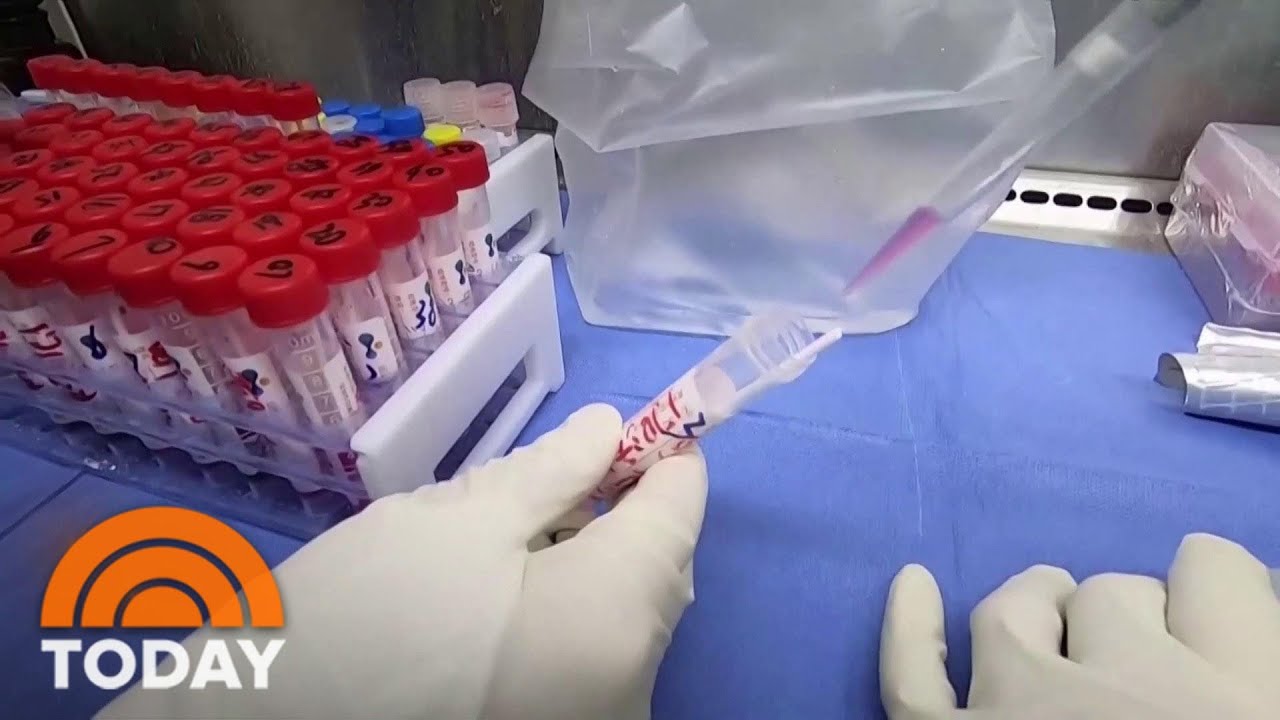
Yuan Zhiming, director of the Wuhan National Biosafety Laboratory, broke his silence this week to knock down the theory that COVID-19 escaped from his facility. Speaking in remarks first broadcast by China’s state-run CGTN and picked up by NBC News’ TODAY, Yuan called the lab-leak scenario “impossible” as pressure from Washington mounts for an independent look at how the virus actually started.
- Yuan Zhiming, who runs the maximum-security BSL-4 facility inside the Wuhan Institute of Virology, publicly denied for the first time that the virus originated in his lab.
- He insisted no staff or researchers at the institute had contracted the virus, and pointed to strict protocols for handling, storing, and disposing of viral samples.
- The denial comes as Secretary of State Mike Pompeo has confirmed the U.S. government is investigating whether the pandemic began with a laboratory accident in Wuhan.
The Denial, In His Own Words
Yuan didn’t hedge. “There is no way this virus came from us,” he said in the CGTN remarks that NBC News and other outlets picked up on April 18 and 19. He argued that the institute’s location — Wuhan, the same city where the outbreak was first identified — has led reporters and critics to draw a line between the lab and the pandemic without any evidence connecting the two.
“There is no way this virus came from us.”
That’s a notably direct statement from an official who runs one of the few BSL-4 labs in China cleared to handle the world’s deadliest pathogens. Yuan’s position is that geography, not data, is driving the suspicion — the lab happens to sit in the city where patient zero showed up, and that coincidence has snowballed into a global theory.
Washington’s Pressure Campaign
The TODAY segment framed Yuan’s comments against a backdrop of rising scrutiny from U.S. officials. Pompeo has said the administration is examining whether the virus came from a lab accident rather than a natural jump from animals to humans, and U.S. media outlets have cited unnamed intelligence and diplomatic sources raising questions about biosafety practices at Wuhan facilities. That reporting has sharpened calls in Washington for an outside investigation that China has so far resisted.
Fauci-funded research into how bat coronaviruses interact with humans has also drawn scrutiny in this same window, adding fuel to questions about what kind of work was actually happening inside Chinese labs before the outbreak. Add in the broader U.S.-China friction playing out over issues like Hong Kong’s autonomy, and the lab-origin question has become one more flashpoint in an already tense relationship.
China’s Official Line Holds
Chinese authorities and scientists have continued to maintain that the virus jumped from animals to humans naturally, with a wet market in Wuhan cited as the likely point of transmission. Yuan’s comments reinforce that official position rather than break from it — he’s not entertaining the lab-leak theory as a possibility worth investigating, he’s rejecting it outright as unsupported speculation built on the lab’s zip code.
That leaves a clear standoff: American officials pushing for access and transparency, and Chinese officials, including the man who runs the facility at the center of the theory, saying there’s simply nothing there to find.
Future Strategic Outlook
Nothing in Yuan’s remarks or the CGTN broadcast suggests China is opening the Wuhan Institute of Virology to outside investigators anytime soon. Pompeo’s team has signaled the U.S. inquiry will continue regardless, which means this fight over origins isn’t ending with one denial on state TV — it’s just getting louder on both sides of the Pacific.
How Amazon Paid $0 Federal Income Tax in 2018
Trump Administration Targets California With Loosened Emissions Standards | NBC Nightly News
Acting DNI refuses to turn over whistleblower complaint, raising concerns of a coverup
Sanders and Biden hold rallies ahead of 6 upcoming primaries
Stimulus Check 2: When will the Next Stimulus Pass?