

 InfoSearched
Iran fires more than a dozen ballistic missiles at U.S. forces in Iraq, and the region braces for what comes next.
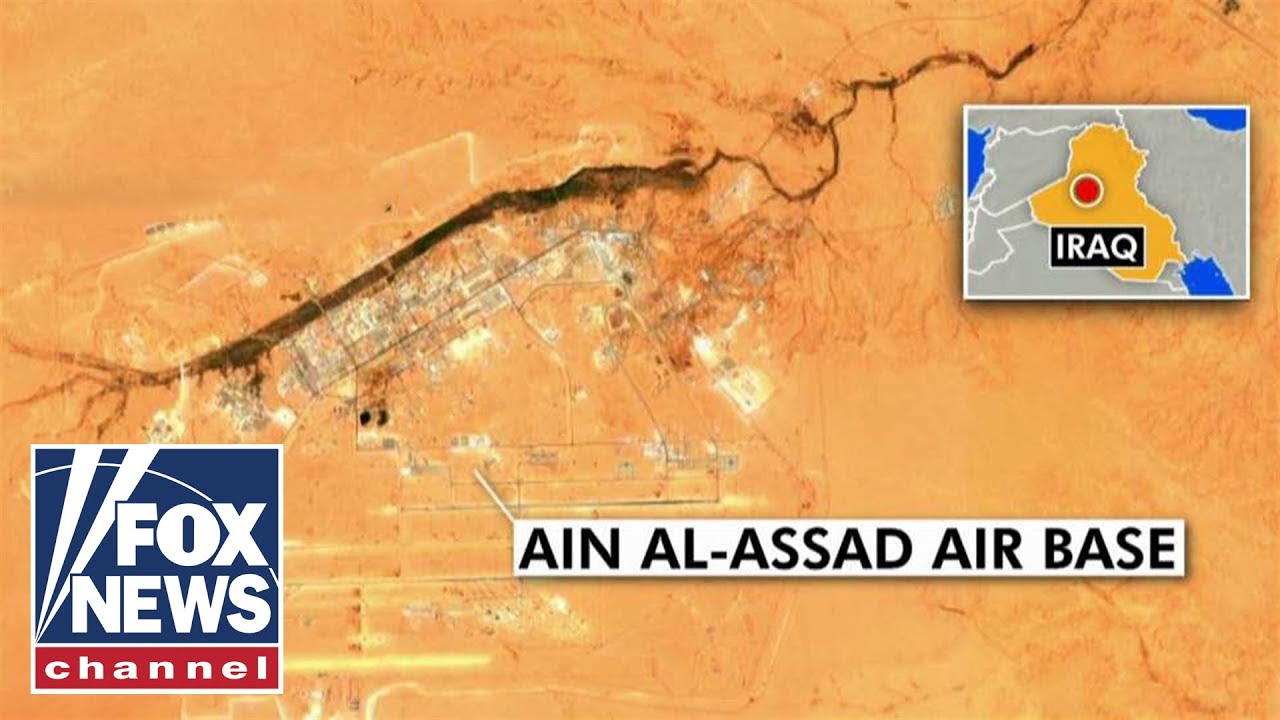
Just after 5:30 p.m. EST on January 7 — the early hours of January 8 in Iraq — Iran launched an operation it dubbed “Martyr Soleimani,” firing over a dozen ballistic missiles from its own territory at bases housing American and coalition troops. The strikes hit Ain al-Asad air base in Iraq’s western Anbar province and an airfield near Erbil in the country’s Kurdish north. It was the most direct military confrontation between Tehran and Washington in decades, and it came exactly four days after a U.S. drone strike killed Iran’s most powerful military commander.
- Iran fired more than a dozen ballistic missiles from its own soil at Ain al-Asad air base in Anbar province and an airfield in Erbil — both hosting U.S. and coalition forces.
- The strikes were explicit retaliation for the January 3 U.S. drone strike near Baghdad airport that killed IRGC Quds Force commander General Qassem Soleimani and Iraqi militia leader Abu Mahdi al-Muhandis.
- President Trump tweeted “All is well!” as casualty and damage assessments got underway, while Iranian Foreign Minister Javad Zarif said Tehran’s “proportionate measures” were concluded and it was not seeking war.
The Retaliation Iran Promised
Soleimani’s killing on January 3 set off promises of revenge from Tehran almost immediately, and Iran made good on them within days. The barrage targeting Ain al-Asad and the Erbil airfield was named for the slain general himself, a symbolic gesture underscoring that this was framed domestically as a direct answer for his death rather than a broader campaign. Trey Yingst, reporting for Fox News from Baghdad, described a city and country on edge as word of the strikes spread and security postures tightened across U.S. and coalition positions.
Assistant to the Secretary of Defense Jonathan Hoffman said the Pentagon was conducting initial battle damage assessments in the immediate aftermath, and that regional facilities had already been placed on high alert in anticipation of exactly this kind of strike. That advance warning appeared to matter: early indications on the night of January 7 suggested warning systems had given personnel time to take shelter before the missiles landed.
Washington’s Immediate Response
President Trump’s first public comment came on Twitter, striking a notably calm tone as the Pentagon worked through the details. “All is well! Missiles launched from Iran at two military bases located in Iraq. Assessment of casualties & damages taking place now. So far, so good!” he wrote. The message came even as the full scope of the damage was still being determined, a deliberate signal that the administration was not treating the moment as an escalation trigger on its end.
All is well! Missiles launched from Iran at two military bases located in Iraq. Assessment of casualties & damages taking place now. So far, so good!
The strike lands against a backdrop the administration has been navigating for months, from the maximum-pressure sanctions campaign on Tehran to broader Middle East diplomacy that has put Washington at odds with allies and adversaries alike — the kind of terrain Trump has staked out forcefully on the world stage before.
Tehran’s Calculated Off-Ramp
Iranian Foreign Minister Mohammad Javad Zarif moved quickly to frame the strikes as finished business rather than the opening salvo of a wider war. Writing on Twitter, Zarif said Iran had “taken & concluded proportionate measures in self-defense” under Article 51 of the UN Charter, language deliberately chosen to cast the missile barrage as a one-time, legally justified response rather than a declaration of open conflict. He added that Iran was “not seeking escalation or war.”
At the same time, the IRGC issued a pointed warning to regional U.S. allies and to Washington itself against launching any counterattack, a signal that Tehran’s restraint was conditional. The combination — a completed strike, a claim of self-defense, and a warning against retaliation — left both governments effectively signaling they wanted the exchange to stop where it stood, even as assessments of the damage at Ain al-Asad and Erbil continued into the night.
With Hoffman’s team still running battle damage assessments and Trump’s own tweet emphasizing “so far, so good” rather than declaring victory or vowing reprisal, the next several hours were always going to matter more than the missiles themselves — whether the casualty count that emerges changes Washington’s calculus, and whether Tehran’s claim that the matter is “concluded” actually holds.





Global Coronavirus Impact: Italy’s Hospitals Strained, Merkel In Quarantine
Don’t buy this car w/out looking under the hood
California Cannabis Businesses Fear State’s Legal Industry Could Collapse
Inside Connecticut’s Coronavirus-Only Facility For Nursing Home Residents
What Ohio Voters Want In The 2020 Election