

 InfoSearched
Washington and Beijing are back at the table in Shanghai, but nobody’s calling it a breakthrough.
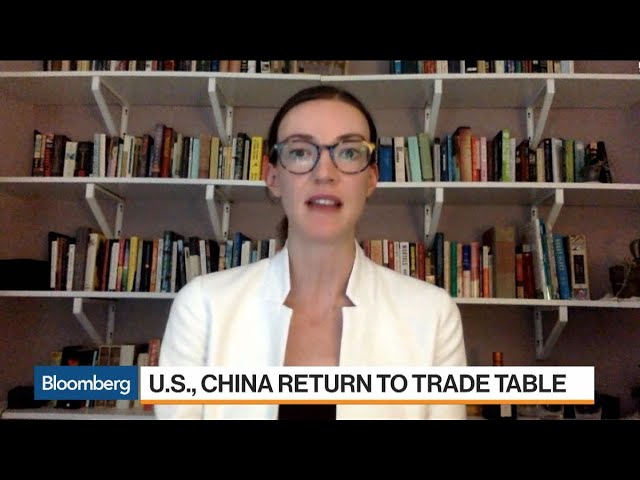
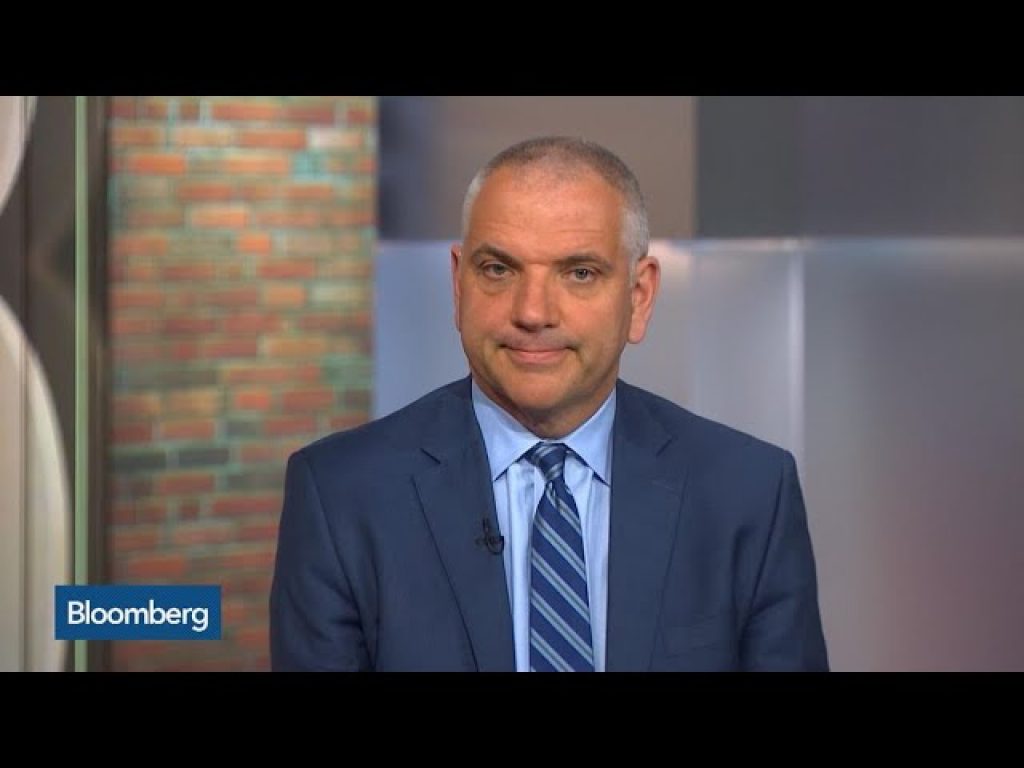
American and Chinese negotiators sat down face-to-face on July 28, 2019, for the 12th round of trade talks and the first in-person session since negotiations blew up in May over dueling tariff hikes. Kelsey Broderick, a China analyst at the political risk consultancy Eurasia Group, joined Bloomberg Television’s Bloomberg Markets: China Open to size up what the reopened talks actually mean. Her read: don’t get ahead of the story.
- The Shanghai meeting is the 12th round of U.S.-China trade talks and the first face-to-face session since the two sides collapsed negotiations in May 2019 following mutual tariff escalations.
- Kelsey Broderick of Eurasia Group says the resumed talks amount to a “small step,” not a breakthrough, since the initial agenda targets narrower issues rather than the deeper structural disputes.
- Those structural sticking points — industrial subsidies, intellectual property enforcement, and state-backed economic policy — remain unresolved and are not on the table for quick fixes.
Broderick Tempers Expectations for Season
Broderick told Bloomberg that the resumption of talks shouldn’t be read as a sign the two governments are close to a comprehensive deal. Instead, she framed the Shanghai round as a low-stakes reset designed to rebuild trust after the May breakdown, when both Washington and Beijing slapped new tariffs on each other’s goods and walked away from the table.
This is a small step between U.S. and China — not a sign of a comprehensive resolution.
That framing matters because markets have repeatedly whipsawed on trade headlines over the past year, treating every meeting as a potential turning point. Broderick’s point was more grounded: negotiators were positioned to swap goodwill gestures, not settle the fight.
Goodwill Gestures, Not Structural Fixes
According to Broderick, the items realistically on the table in Shanghai were narrow by design — things like agricultural purchase commitments from China and licensing relief on the U.S. side, the kind of confidence-building moves that keep talks alive without forcing either government to blink on the issues that actually caused the standoff.
The bigger disputes — industrial subsidies, intellectual property enforcement, and Beijing’s state-backed economic model — weren’t up for negotiation in this round, Broderick said. Those are the same structural issues that have defined the trade war since it began, and they’re the reason past rounds of talks have repeatedly stalled out just short of a deal.
A Gap That Isn’t Closing Fast
Broderick’s overall outlook was blunt: the gap between Washington’s and Beijing’s positions remains wide, and nothing about the Shanghai round suggested that gap was about to close quickly. Her comments echoed a pattern that’s shown up repeatedly in the broader standoff between the two economies, where diplomatic reopenings have tended to produce modest, incremental moves rather than sweeping resolutions.
For businesses and markets watching the tariff fight play out, that assessment lines up with how the trade dispute has unfolded elsewhere — a slow grind of partial fixes rather than a single decisive resolution. The Trump administration’s broader posture toward Beijing, including moves like ending preferential treatment for Hong Kong, has kept the overall relationship tense even as trade envoys try to find narrow areas of agreement.
Broderick’s bottom line for Bloomberg viewers: watch what actually gets signed in Shanghai, not the fact that delegations showed up. Agricultural purchases and licensing tweaks are the kind of deliverables that keep the process moving — the real test is whether Washington and Beijing can eventually put subsidies and IP enforcement on the table without walking away again.


IMF Sees `Heavy Cloud of Uncertainty’ Hanging Over Global Economy
Netanyahu Ousted After 12 Years As Israel’s Prime Minister
Frustration At Lack Of Coronavirus Testing And Slow Results Continues
COVID-19 – An Easy Way to Know You DON’T HAVE IT!
52 percent of voters approve of Trump’s economy: poll