

 InfoSearched
President Trump wants Jerome Powell to cut, and cut hard, before the Fed even votes.
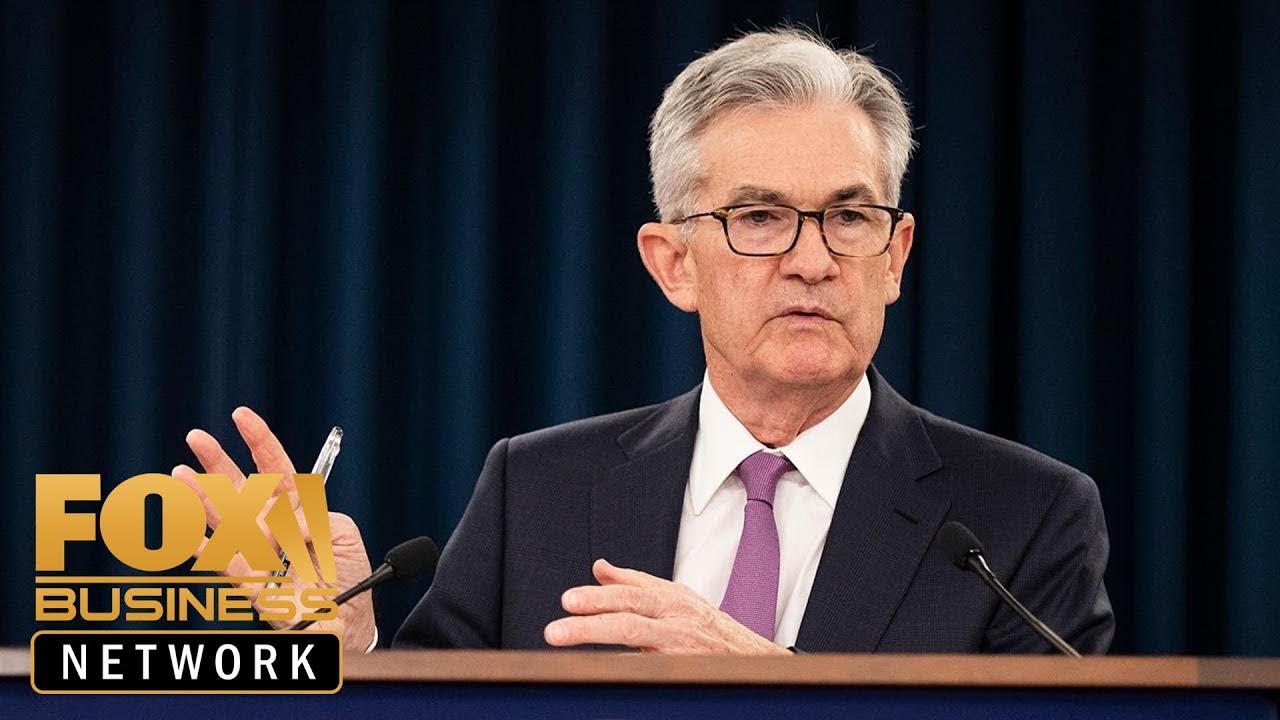
With the Federal Reserve’s rate-setting committee locked in a two-day meeting set to wrap up July 31, President Trump spent the days beforehand hammering the central bank in public and on Twitter, demanding a rate cut and an end to quantitative tightening. Belpointe chief market strategist David Nelson and “The Upside of Inequality” author Ed Conard broke down the standoff on Fox Business, weighing Trump’s economic case against the Fed’s tradition of staying out of the White House’s reach.
- The FOMC’s two-day policy meeting concludes July 31, 2019, with markets widely expecting the first rate cut since the 2008 financial crisis.
- Trump has argued the Fed raised rates too aggressively in 2018 and should also halt quantitative tightening.
- Trump wants the Fed to match rate-cutting moves already made by European and Chinese central banks to offset trade-war headwinds.
A Rate Decision With History Attached
The Fed hasn’t cut rates since the depths of the 2008 crisis, which is precisely what makes the July 31 decision such a watershed moment for Jerome Powell’s committee. Investors have priced in a quarter-point cut for months, but the debate Nelson and Conard worked through wasn’t really about whether the Fed moves — it’s about how loud the president gets to be while it decides.
Trump’s argument, repeated across dozens of tweets through July, is straightforward: the 2018 hikes were a mistake, quantitative tightening is an unnecessary drag, and the European Central Bank and China are already easing while the Fed sits on its hands. He’s framed an aggressive cut as the difference between sustaining growth and needlessly inviting a slowdown, particularly with tariffs and trade tensions still weighing on manufacturers and exporters.
Independence Versus Insurance
Nelson and Conard didn’t land in the same place on the panel. The tension they laid out is one that’s dogged the Fed for its entire modern existence: how does an institution built to be insulated from politics respond when the sitting president is publicly campaigning for a specific outcome, in real time, on Twitter?
Trump has cast the fight as simple math — Europe and China are cutting, so America has to cut too, or fall behind.
The counterargument, which Conard pressed, is that a Fed seen bending to a president’s demands stops looking like a data-driven institution and starts looking like a political one — a credibility problem that doesn’t go away once the immediate rate decision is made. That’s the same independence question that’s shadowed Powell’s tenure since Trump began publicly floating replacing him.
The Case for an “Insurance” Cut
Where the panel found more agreement was on the economic backdrop itself. Global growth has been cooling, domestic inflation has stayed below the Fed’s 2% target, and trade tensions have injected genuine uncertainty into corporate investment decisions. That combination is exactly the kind of scenario central bankers describe when they talk about an “insurance” cut — not a reaction to a recession that’s already arrived, but a preemptive move to keep one from starting.
Nelson’s read leaned into that logic: with rates still elevated relative to global peers and inflation running soft, the Fed has room to ease without touching off the kind of price spikes critics worry about. Conard’s skepticism centered less on the economics of one cut and more on what happens to the Fed’s authority the next time Trump — or any president — decides a quarter point isn’t enough.
Current Indicators of Economic Performance
The backdrop matters here as much as the rhetoric. Persistently low inflation gives the Fed cover to ease without much fear of overheating, while slowing growth abroad — in the eurozone and in China — has already pushed those central banks toward looser policy. That’s the exact comparison Trump keeps drawing, arguing American policy is lagging the rest of the world’s response to a shared slowdown. It’s a debate that runs parallel to broader arguments over rising costs hitting American households, since rate policy and everyday prices are two sides of the same inflation conversation the Fed is trying to manage.
Whichever way Powell’s committee rules on July 31, Trump has already signaled he won’t stop pushing once the vote is in — a quarter-point cut, by his own repeated framing, is the floor of what he wants, not the ceiling. The next flashpoint is whatever statement language accompanies the decision, since traders and, evidently, the president himself will be parsing it for hints about whether more cuts are coming before the end of the year.


Did the US reopen faster than other countries?
Dubai: Expectation vs reality – BBC News
President Trump Is Worried Coronavirus Will Be Bad For His Re-Election
Europe’s economy is slowing down
‘Possible there will be some’ COVID-19 deaths as country reopens: President Trump