

 InfoSearched
Trump’s late-night war finds a new flashpoint as Mark Kaye takes aim at Stephen Colbert.
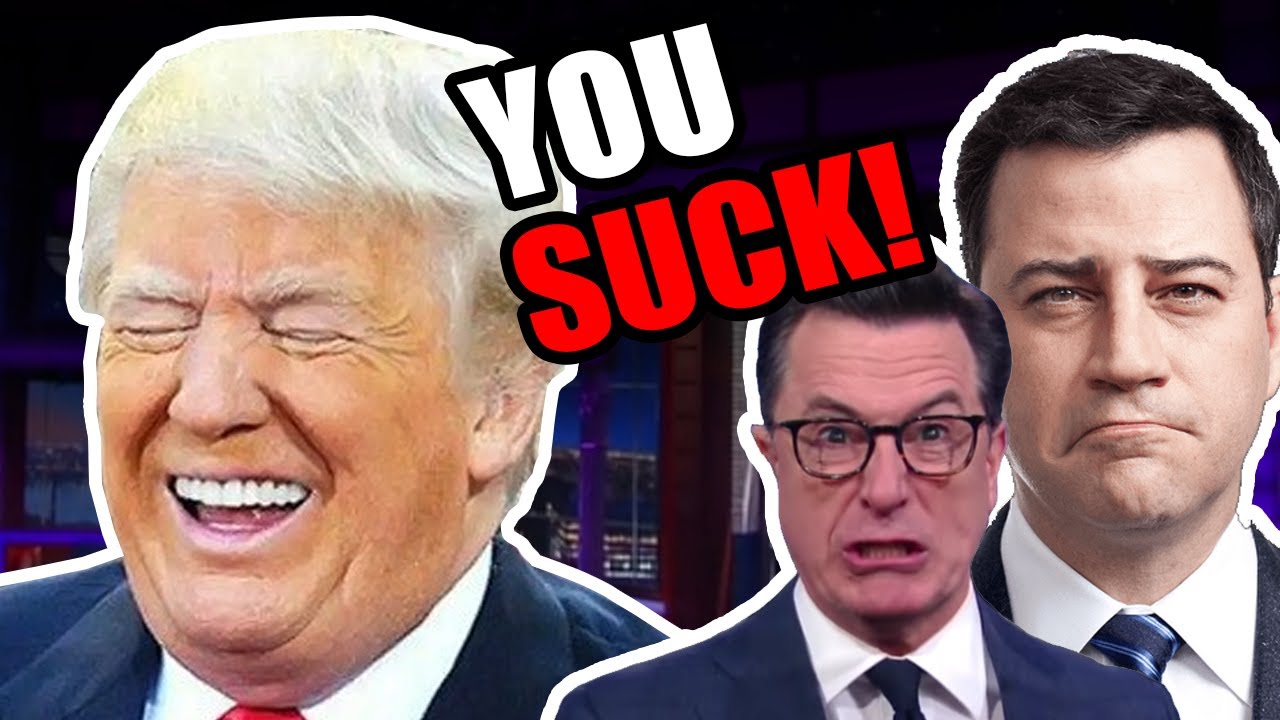
Conservative radio host Mark Kaye has built a chunk of his online following on breaking down President Trump’s Twitter feuds, and his latest video, “TRUMP Ends Late Night! Steven Colbert Goes Out In Flames!” digs into one of the longest-running fights of the Trump presidency: the President versus the hosts of network late night. Kaye frames years of Trump’s tweets mocking Colbert, Jimmy Kimmel and Jimmy Fallon as a broader indictment of a genre he says has traded broad comedy for nightly anti-Trump monologues.
The video isn’t tied to one single tweet so much as a pattern Kaye traces across Trump’s presidency — repeated jabs at ratings, talent and bias that Colbert and company have absorbed and, in some cases, built entire segments around.
- Trump has repeatedly attacked Colbert, Kimmel and Fallon on Twitter, accusing them of low ratings, political bias and a lack of comedic talent.
- Colbert’s “Late Show” has leaned heavily on Trump-era scandals and the President’s own tweets as monologue material, night after night.
- Despite Trump’s recurring claims that late-night ratings were cratering, Colbert’s show continued topping the broadcast ratings in its time slot through early 2020.
The Feud Trump Never Let Go
Trump’s relationship with late-night television soured almost as soon as he took office, and it never really recovered. Colbert became a favorite target, with Trump repeatedly suggesting on Twitter that “The Late Show” was hemorrhaging viewers and that Colbert himself wasn’t funny. Kimmel and Fallon caught similar fire, accused in various tweets of being biased hacks propped up by a sympathetic media class rather than genuine comedic hosts.
Kaye’s video treats these tweets less as random venting and more as a consistent strategy — Trump using his feed to needle an industry he sees as uniformly hostile, while simultaneously feeding his base fresh ammunition against what conservative media commentators have long labeled Hollywood’s anti-Trump monoculture.
Colbert’s Monologue as Nightly Rebuttal
The irony Kaye leans into is that Trump’s attacks became fuel rather than a deterrent. Colbert’s opening monologues have run almost entirely on the day’s Trump news — a policy fight, a White House scandal, a fresh tweetstorm — turning the President’s own social media activity into a recurring writers’-room resource. The result is a loop: Trump tweets about Colbert, Colbert makes Trump’s tweet the next night’s punchline, and the cycle repeats.
Trump’s tweets called it a ratings disaster — the overnight numbers said otherwise.
Analysis of Official Rating Results
Here’s where Kaye’s video and the numbers diverge from Trump’s rhetoric. While the President’s claims about collapsing late-night ratings became a go-to talking point for conservative commentators, network data through early 2020 told a different story — Colbert’s “Late Show” kept its perch at or near the top of the broadcast late-night ratings race, Trump-fueled content and all. That doesn’t mean the audience split evenly along political lines; Kaye’s core argument is that the numbers mask a narrower, more partisan viewership that alienated conservative-leaning fans who once watched for the comedy rather than the politics.
That tension between “the ratings are fine” and “the audience got smaller and more one-sided” is exactly the debate Kaye is trying to surface — a debate that mirrors broader arguments conservative voices have made about media outlets losing viewers who don’t want a nightly dose of political commentary. It’s a version of the same critique aimed at outlets covered in what the mainstream press wasn’t telling its audience, just applied to comedy instead of news.
The Bigger Media Fight
Kaye’s breakdown fits into a wider lane of conservative commentary that treats entertainment and news media as two fronts in the same war. Commentators like those examining why Trump gets under the left’s skin and figures such as Kayleigh McEnany, who made a habit of pushing back on the press from the White House podium, have all made variations of the same argument Kaye makes here — that institutions built to entertain or inform broad audiences narrowed themselves into partisan echo chambers during the Trump years.
Whether that’s a fair read of “The Late Show” or just a convenient framing for a President who never stopped feuding with his critics is a matter of perspective. What isn’t in dispute is that Colbert kept winning his time slot, Trump kept tweeting about it anyway, and neither side showed the slightest interest in calling a truce heading into the 2020 election.




State Department advising Americans not to get on cruise ships
COVID-19 brings US death toll to 6
Unease At Trump White House After Its Second Confirmed COVID-19 Case
‘We’ll starve to death if this continues’
Coronavirus Second Wave Is Coming – Understand what it’s about and prepare