

 InfoSearched
China’s wildlife trade didn’t cause one outbreak — it built a machine for producing them.
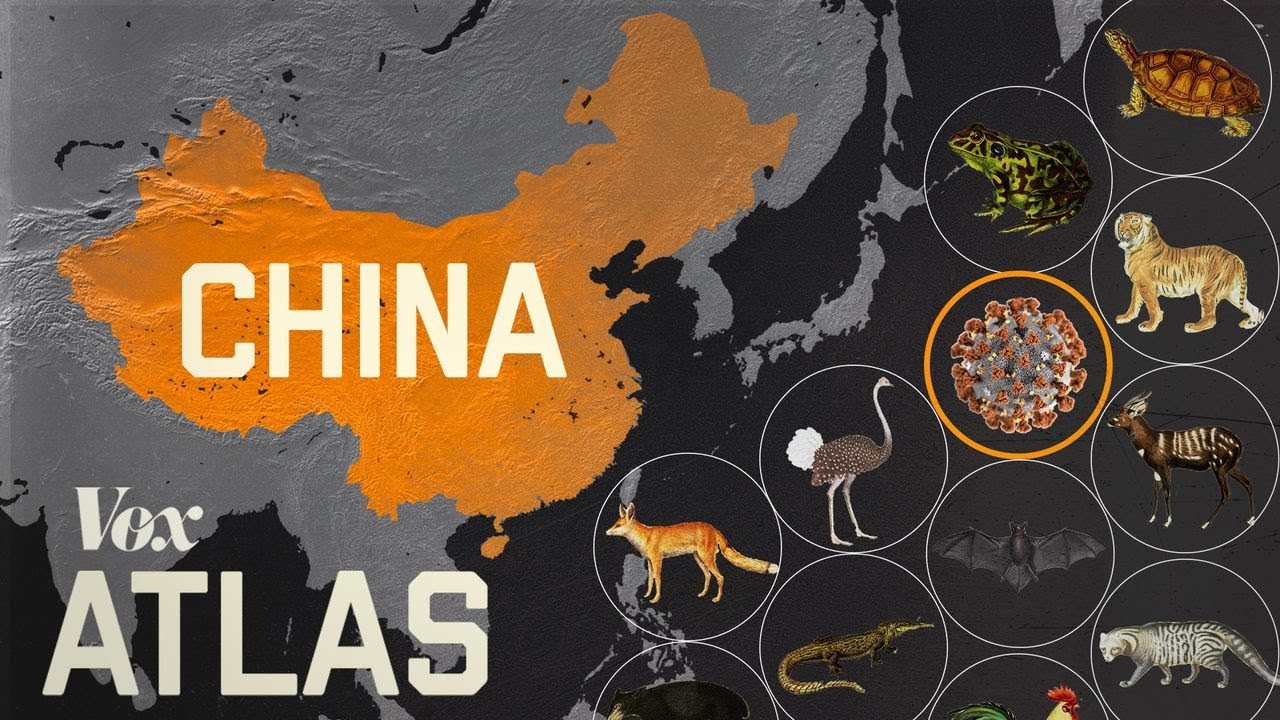
A new Vox Atlas explainer, “Why new diseases keep appearing in China,” traces a straight line from Communist Party farming policy in the late 1970s to the wet markets now at the center of the COVID-19 investigation. The video doesn’t treat the outbreak as a fluke. It treats it as the predictable output of a system China built on purpose, decades ago, for reasons that had nothing to do with virology.
- As of early March 2020, COVID-19 had reached more than 70 countries and killed over 3,100 people since first emerging in Wuhan in December 2019.
- SARS emerged from the same kind of wildlife market conditions in 2002–2003, killing nearly 800 people before it burned out.
- Animal welfare expert Peter Li says wildlife meat is eaten by “the rich and the powerful — a small minority,” not by ordinary Chinese citizens, who the video frames as victims of the system rather than its cause.
A Policy Decision From the 1970s
The video’s most useful fact isn’t biological, it’s bureaucratic. Beijing’s wildlife trade didn’t spring up organically out of tradition — it was engineered. Starting in the late 1970s and into the 1980s, the government permitted private citizens to farm wild animals as a rural poverty-reduction measure, and it classified those animals as state-owned “natural resources,” the same legal bucket as timber or minerals. That single classification turned wildlife farming into a sanctioned commercial category rather than a fringe activity, and it scaled fast.
What followed was industrial-scale breeding of species that had never been domesticated at that volume before — animals raised specifically to be sold live into markets alongside conventional livestock. The regulatory framework treated a civet or a pangolin the same way it treated a chicken, which is exactly the problem virologists kept flagging for years before COVID-19 showed up.
Inside the Wet Markets
The markets themselves are where the video does its most damning work. Domestic livestock, wild-caught animals, and captive-bred exotic species — bats, civets, pangolins — are kept in close quarters, butchered on-site, and sold in conditions the report describes as crowded and unhygienic. That combination of species that would never naturally cross paths, held in cages stacked near each other, bleeding and defecating into shared spaces, is precisely the setup virologists point to as a mutation engine. A virus that’s harmless in a bat can jump to a civet, mutate again, and land in a human buyer or vendor without anyone realizing it happened until weeks later.
This is also why SARS and COVID-19 rhyme so closely. Both are coronaviruses. Both are believed to have emerged from animals sold in these markets. Experts had been predicting a repeat of SARS for years — not as speculation, but as a near-inevitability given that the underlying market structure never changed after 2003.
“The majority of the people in China do not eat wildlife animals. Those people who consume these wildlife animals are the rich and the powerful — a small minority.”
Demographics of Global Wildlife Consumption
Peter Li’s line matters because it undercuts the lazy version of this story — that wildlife markets exist because it’s a broadly shared culinary tradition. It isn’t. The video is explicit that wildlife consumption is a niche, wealth-signaling practice among a small elite, not something the average person in Wuhan or Guangzhou is eating for dinner. The people getting sick and dying are overwhelmingly not the people driving demand for pangolin scales or civet meat as luxury goods.
That distinction is the video’s clearest warning: the global health crisis unfolding in early March 2020 offers zero justification for xenophobia or anti-Asian racism. Ordinary Chinese citizens are described as victims of a state-sanctioned commercial system, not culprits, and conflating the two is both factually wrong and dangerous on its own terms.
A Problem That Predates the Headlines
Coverage of unusual animal behavior and the emptied-out streets of Beijing gave the outside world a visual sense of how fast the country locked down once the outbreak was confirmed. But the video’s argument is that the real story started forty years earlier, with a farming policy nobody connected to pandemics at the time. Until the underlying wildlife trade structure changes — not just a temporary market closure, but the legal and economic incentives behind it — the report’s conclusion is blunt: this will happen again.
Wuhan’s market has since been shuttered and China announced a ban on wildlife consumption in late February 2020, but the video’s point stands on the numbers already on the board: two coronavirus outbreaks out of the same kind of market in seventeen years isn’t a coincidence, it’s a track record.





US Democratic Battle: Presidential candidates debate again
Mike Bloomberg drops out of 2020 race
EU court backs Apple in fight over $15 billion tax bill
Fauci calls White House attacks on him ‘bizarre’
Stimulus Check 2: When will the Next Stimulus Pass?