

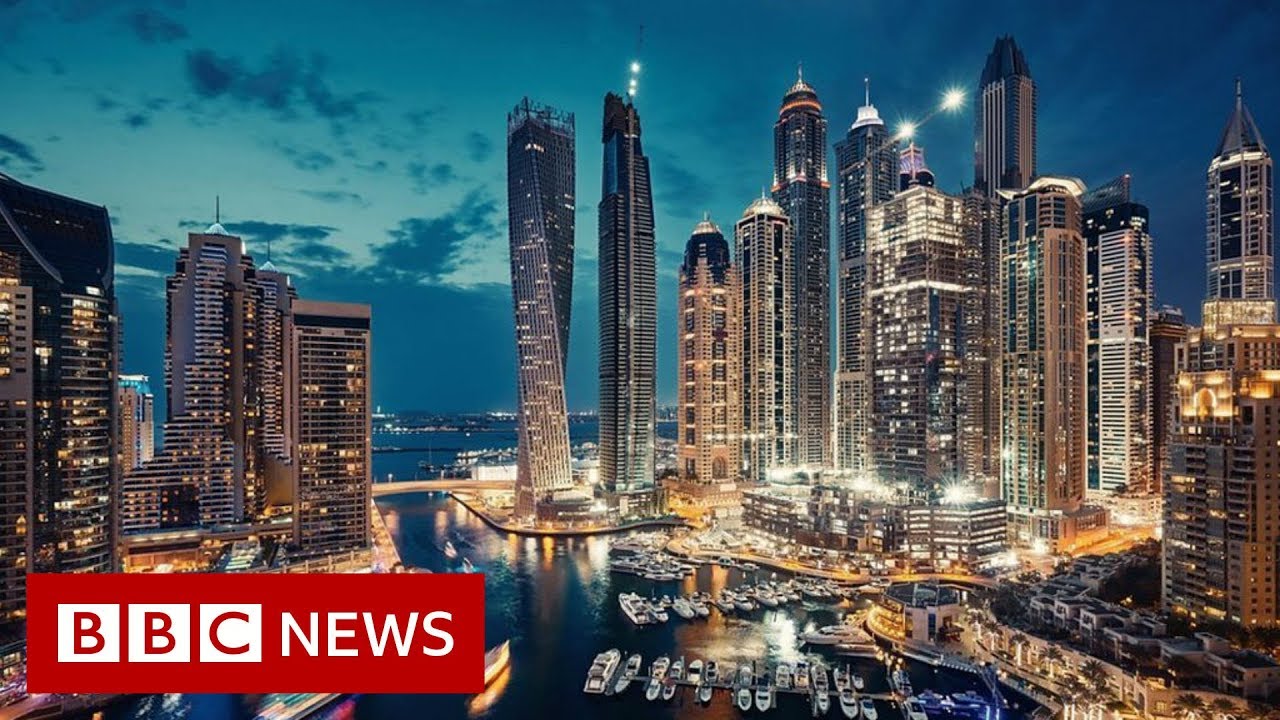
 InfoSearched
Gardner strips away the marble lobbies and duty-free glitz to show the Dubai that doesn’t make the tourism brochures.
BBC Security Correspondent Frank Gardner spent years living and working in the Gulf, and he speaks Arabic fluently — which is exactly why the network handed him this four-minute breakdown for its “The News Explained” series. Published July 30, 2019, “Dubai: Expectation vs Reality” doesn’t dwell on the Burj Khalifa selfies. It asks what happens once the tax-free shopping and skyline photo-ops are over and Dubai’s actual rules kick in.
- Gardner, a veteran Middle East correspondent and former Gulf resident, hosts the piece as part of BBC News’s “The News Explained” strand.
- The report contrasts Dubai’s marketing image — luxury hotels, tax-free malls, an unconstrained playground — with an authoritarian political system that enforces strict judicial penalties and allows zero tolerance for dissent.
- It highlights two groups who bear the brunt of that gap: low-income migrant laborers who built the emirate’s skyline, and Western expatriates and tourists who run into legal trouble without realizing it.
The Marketing Versus the Machinery
Dubai sells itself as a frictionless luxury destination — a place where money buys freedom from the usual rules. Gardner’s point is that the freedom is an illusion built for visitors who never test its edges. Beneath the five-star branding sits a tightly controlled state apparatus, with the ruling family exercising direct authority over the emirate’s politics and few outlets for public criticism.
That’s the tension the report is built around: a city engineered to look limitless, governed by a system that isn’t.
Common Pitfalls for International Travelers
Gardner walks through how visitors and foreign workers routinely misjudge Dubai’s legal boundaries — behavior that would draw a shrug in London or New York can trigger serious judicial consequences there. Western expats, in particular, face real legal exposure over conduct they assumed was harmless, a risk the glossy tourism campaigns never mention.
Dubai markets an unconstrained playground; what it actually enforces is an authoritarian system with zero tolerance for dissent.
The disconnect isn’t an accident of bad luck for a handful of unlucky travelers — it’s baked into how the emirate is run, which is precisely why Gardner frames it as an “expectation vs. reality” story rather than a list of tourist warnings.
The Workers Who Built the Skyline
The report also turns to the migrant laborers whose work produced Dubai’s ultramodern towers and malls in the first place. Gardner points to their exploitation as a systemic issue rather than a side note — the low-income workforce that built the glittering skyline operates under conditions far removed from the five-star image sold to tourists arriving to enjoy it.
That’s the throughline of the whole piece: the human rights picture and the royal family’s grip on power sit directly behind the marble facades, and as of mid-2019 that scrutiny was only intensifying around the United Arab Emirates. For a wider look at how BBC News’s “The News Explained” format tackles other high-stakes global stories, see the network’s breakdown of why is this a critical moment for the US and Russia over Ukraine, and for more on how governments manage image versus scrutiny on the world stage, read about Trump’s UN remarks on Palestinian statehood.
Gardner doesn’t end the piece with a verdict on whether Dubai is “worth it.” He just leaves the two pictures side by side — the ad campaign and the legal code — and lets viewers decide which one they’d actually be visiting.
President Trump Proposes $500 Million In Checks For Americans
New report indicates China misled world about coronavirus
Schools Face Tough Choices About Reopening As Parents, Teachers Weigh Risks
3 Top Health Officials Self-Isolate After Coronavirus Cases Inside White House
Edward Snowden – “Permanent Record” & Life as an Exiled NSA Whistleblower | The Daily Show