

 InfoSearched
Behind Wuhan’s locked-down hospitals, doctors were silenced before the world ever heard the word “coronavirus.”
A special report examines how Chinese authorities spent the critical early weeks of the outbreak muzzling the doctors who first spotted it, rather than warning the public. The result was a six-week head start for a virus that has since killed tens of thousands and shut down economies across the globe. What emerges is a paper trail of reprimands, forced confessions, and vanished citizen journalists stretching from late December 2019 through the Wuhan lockdown.
- Dr. Li Wenliang, an ophthalmologist who shared warnings about a SARS-like illness in a private medical chat group, was detained by Wuhan police and forced to sign a statement admitting he had “spread rumors” — he later contracted the virus and died in early February 2020.
- Dr. Ai Fen, director of the emergency department at Wuhan Central Hospital, was sternly disciplined by hospital officials after flagging diagnostic reports pointing to the new infection, and was ordered to keep silent.
- Local officials in Wuhan claimed fewer than 50 cases through early January 2020 while allowing mass Lunar New Year banquets and political gatherings to proceed, even as hundreds of internet users were penalized for sharing unauthorized outbreak information.
The Doctors Who Sounded the Alarm
Dr. Li Wenliang’s chat-group message to fellow physicians in late December 2019 read like an ordinary professional heads-up: a cluster of patients with a SARS-like pneumonia had turned up, and colleagues should take precautions. Wuhan police didn’t see it that way. They summoned him, accused him of “making false comments” that had “severely disturbed the social order,” and made him sign a reprimand acknowledging wrongdoing. Weeks later, treating patients on the front lines, he caught the virus himself and died — a death that triggered an outpouring of grief and anger across Chinese social media that censors struggled to contain.
Dr. Ai Fen’s experience followed a nearly identical script. As emergency department director at Wuhan Central Hospital, she was among the first to see lab results showing a novel, SARS-like pathogen circulating among patients. When she flagged it internally, hospital administrators reprimanded her for “spreading panic” and told her to keep quiet. Both cases point to the same pattern: the medical professionals closest to the outbreak were treated as a public-relations problem rather than an early-warning system.
Li Wenliang was ordered to sign a statement admitting he had “spread rumors” — weeks before the disease he warned about killed him.
Weeks of Official Denial
Through the first days of January 2020, Wuhan officials insisted the outbreak was limited and contained, publicly citing case counts under 50 even as hospitals quietly filled. Mass gatherings went ahead as scheduled, including Lunar New Year banquets that drew large crowds into close contact just as the virus was gaining a foothold. No public alert went out warning residents to change their plans or take precautions.
By the time authorities acknowledged human-to-human transmission and moved to lock down Wuhan, the virus had already traveled with travelers departing the city for the holiday, seeding outbreaks elsewhere in China and beyond. The delay between what officials knew internally and what they told the public is the crux of the cover-up allegation — and it’s a pattern examined elsewhere in reporting on the origins of the outbreak and the international response that followed.
Censorship, Detentions and Disappearances
As the death toll climbed, citizen journalists began documenting what official channels wouldn’t: overwhelmed hospital corridors, exhausted staff, and crematoriums running around the clock. Several of those independent observers who posted footage from inside Wuhan were detained by police, and some disappeared from public view entirely. Human rights groups and international observers reported that hundreds of internet users faced penalties simply for sharing information about the outbreak that hadn’t been approved by state channels.
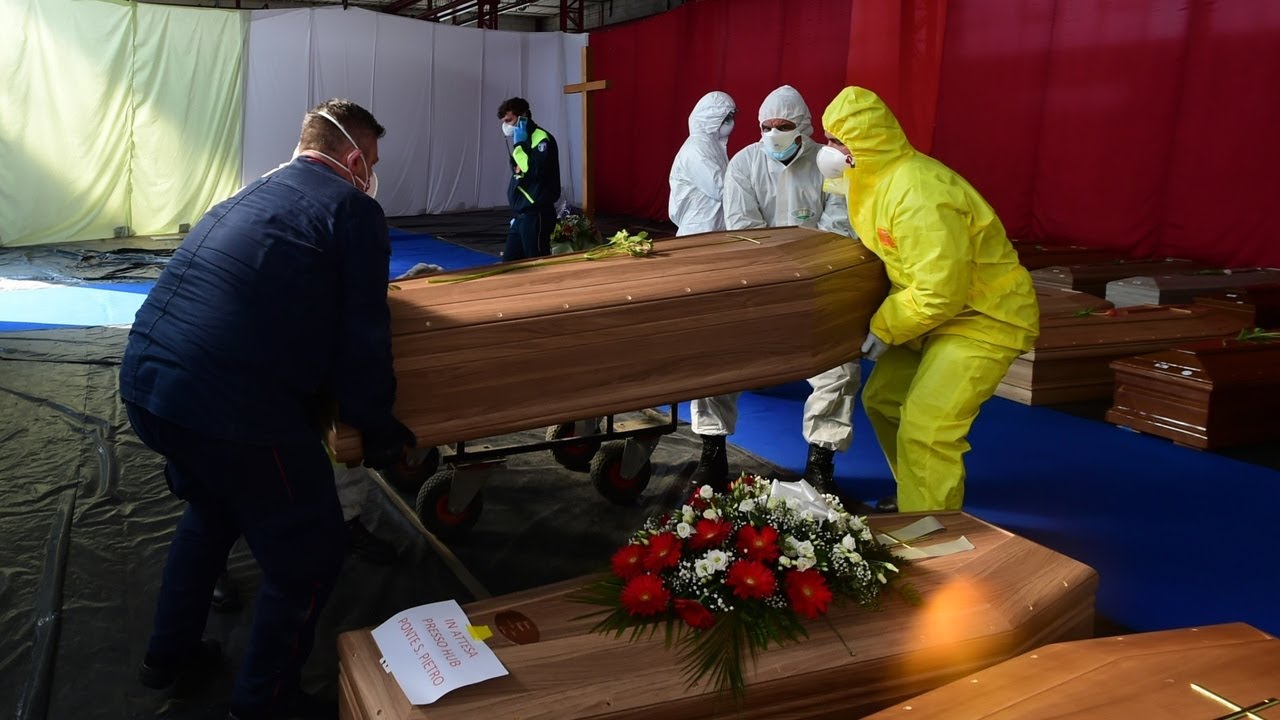
That censorship extended to the numbers themselves. China’s official death toll stood at roughly 3,300, but footage and photographs showing thousands of urns being delivered to Wuhan funeral homes fueled widespread skepticism internationally that the real toll was far higher than reported. Anyone who left the country and spoke openly about what they witnessed added to a mounting body of testimony that contradicted the official line — sentiments echoed in accounts like Why I left China for Good!
A Pattern With Global Consequences
Put together, the reprimands, the suppressed case counts, and the crematorium footage describe a government that treated information control as more urgent than outbreak control. Every week that Wuhan officials spent silencing doctors and detaining citizen journalists was a week the rest of the world spent unprepared, still relying on Beijing’s official case counts to gauge the danger. By the time international flights were restricted and the scale of the crisis became undeniable, the virus was already circulating on multiple continents.
Li Wenliang’s own words, taken from a hospital interview before he died, still frame the entire cover-up: he said a healthy society should have more than one voice. Beijing made sure, for as long as it could, that it didn’t.
Watch live: President Trump, First Lady test positive for Covid-19
Hasan Minhaj Calls Out Congress Over Student Loans: ‘You Paid Far Less For Your Degrees’ | NBC News
UK Prime Minister Boris Johnson out of ICU amid COVID-19 battle
BLM Protesters SHOOT An 8-Year-Old Girl in Atlanta!
Coronavirus Outbreak Worsens In Europe