

 InfoSearched
A northern Canadian port with the deepest natural harbor on the continent is quietly rerouting the way goods move from Asia to the American heartland.
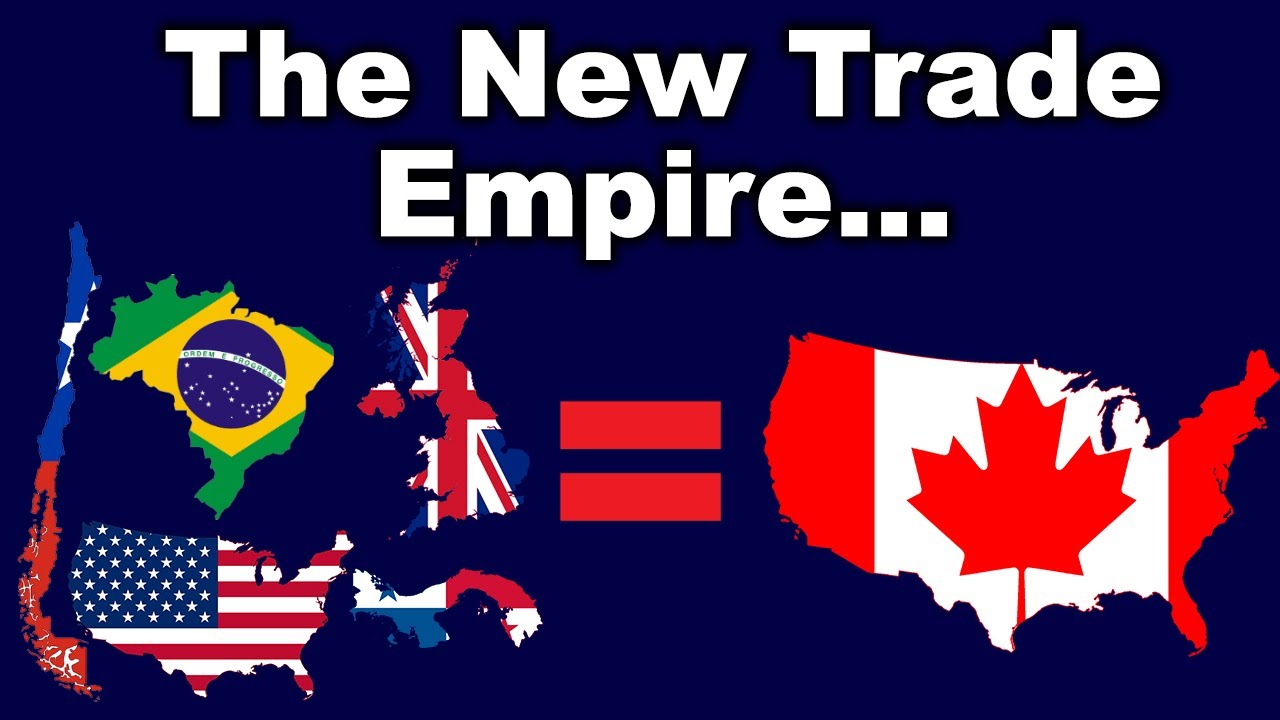
Economic video creator Jack Chapple’s documentary Canada is Quietly Building The Trading Empire Of The World lays out a logistics puzzle most shoppers never think about: how does a container of goods manufactured in China actually get to a store shelf in New York? The answer, Chapple argues, increasingly runs through British Columbia instead of California. It’s a story about geography, rail infrastructure, and shaving days off a Pacific crossing.
- Air freight moves cargo in roughly 15 hours but costs 5 to 15 times more than ocean shipping, which is why sea freight still dominates global trade volumes.
- The Port of Prince Rupert in northern British Columbia has the deepest natural harbor in North America and sits closer to major East Asian ports than Los Angeles or Long Beach — cutting Pacific transit time by up to several days.
- Canadian National Railway and Canadian Pacific operate direct, uncongested transcontinental rail lines that move cargo landed in Canada to Chicago, the Midwest, and the East Coast faster and often cheaper than routing through jammed U.S. ports.
The Real Cost of Moving a Container
Chapple’s breakdown starts with a simple trade-off. A package can be flown from a manufacturing hub like China to a consumer market like New York in about 15 hours, but air freight runs anywhere from five to fifteen times the price of shipping it by sea. That price gap is why the overwhelming majority of global trade — everything from electronics to furniture — still moves in steel containers stacked on ocean freighters rather than in the belly of a plane.
Long Beach and Panama Canal Challenges
Once you’re committed to ocean freight, the routing gets complicated fast. A ship can dock at the Port of Long Beach or Los Angeles, but then the cargo has to transfer onto rail or trucks for the cross-country haul to the East Coast, adding cost and delay at the transshipment point. The alternative — an all-water route that pushes straight through the Panama Canal — comes with its own toll: added transit time, canal fees, and a hard cap on vessel size, since the canal simply can’t handle the largest container ships in service today.
Prince Rupert’s Geographic Edge
This is where Chapple’s documentary turns to Canada. The Port of Prince Rupert, tucked into northern British Columbia, boasts the deepest natural harbor in North America and sits geographically closer to major East Asian ports than the Southern California terminals do. That proximity alone shaves several days off the Pacific crossing before a ship even reaches dock — a meaningful edge when shipping lines are racing to turn vessels around and keep supply chains moving.
Prince Rupert’s deep-water harbor sits closer to East Asia than Los Angeles or Long Beach — and can cut the Pacific crossing by several days.
Rail Corridors That Bypass the Bottleneck Entirely
The other half of the equation is what happens after the container hits dry land. Canadian National Railway and Canadian Pacific run direct, largely uncongested transcontinental corridors that carry freight from Prince Rupter straight into Chicago, the American Midwest, and on to the East Coast. Compared to cargo stuck waiting for a truck slot or a rail car out of a congested Southern California terminal, that Canadian route can move faster and for less money — which is exactly the kind of quiet infrastructure advantage that turns a mid-sized port into a serious player in North American trade.
None of this shows up on a map the way the Economics story usually gets told, but it’s the reason freight forwarders keep quoting Prince Rupert lanes to shippers moving product out of factories the same way they’d once have quoted Long Beach without a second thought. As long as ships keep getting bigger than the Panama Canal can handle and Southern California ports stay backed up, that CN and CP rail advantage out of northern British Columbia isn’t going away.







New, more contagious coronavirus strain discovered by researchers
Mayor Eric Garcetti says thousands of L.A. city workers to be furloughed
Coronavirus: Hate crimes against Chinese people in the UK on the rise
Coronavirus/covid-19: Is this how freedom dies?
Why Kim Yo-jong Will Be The Most Powerful North Korean Leader